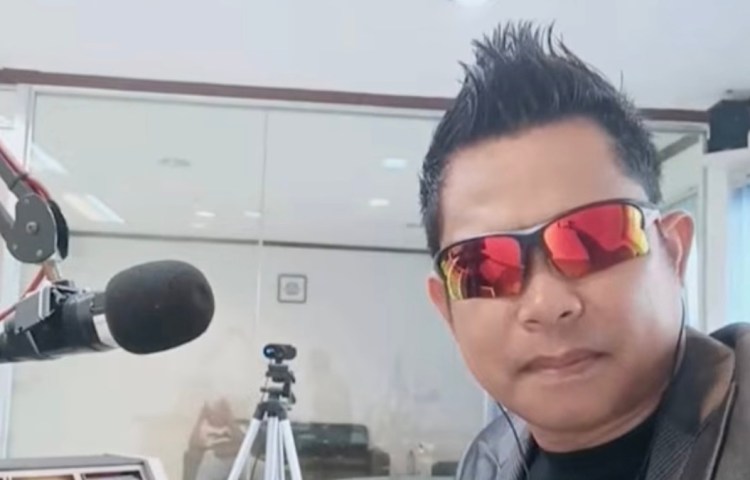
Broadcast journalist Adrian Loterte shot and killed in the Philippines
Bangkok, October 16, 2026 —Philippine authorities must conduct a swift and thorough investigation into the killing of broadcast journalist Adrian “Golden Boy” Loterte, identify and arrest those responsible, and ensure they are brought to justice, the Committee to Protect Journalists said today. Loterte, an anchor at the local “Rabas Cun Rabas” online program on RBN…
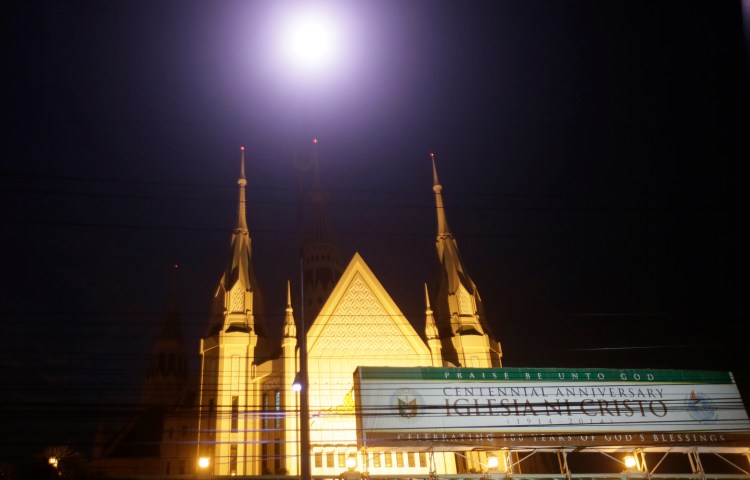
Philippine journalist Marchel Espina charged with unjust vexation over opinion article
Bangkok, July 24, 2026—The Committee to Protect Journalists on Friday called on the Iglesia Ni Cristo religious group to drop its criminal complaint of unjust vexation against journalist Marchel Espina over an opinion piece published by a community news site. On July 17, Espina, former editor-in-chief of the local SunStar Cebu, voluntarily surrendered to the…
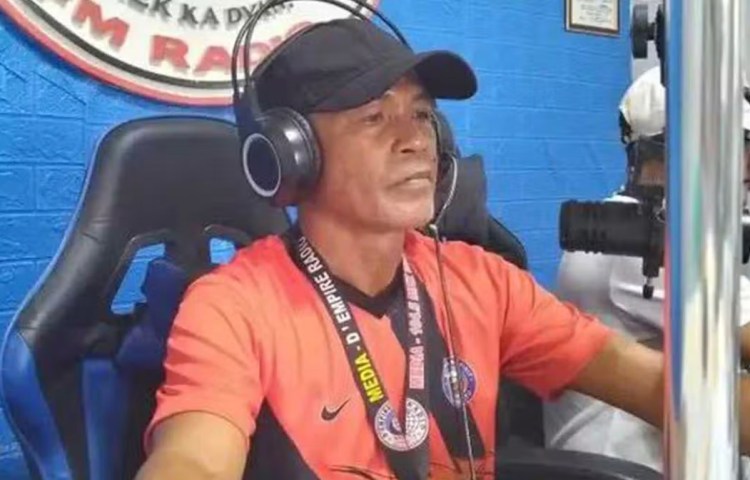
Philippine radio reporter Nestor Micator killed in drive-by shooting
Bangkok, May 27, 2026—Philippine authorities must conduct a thorough investigation into the killing of radio journalist Nestor Micator, identify and arrest those responsible, and ensure they are brought to full justice, the Committee to Protect Journalists said Wednesday. Micator, a news reporter at the local D’Empire Radio Station, was shot and killed on May 21…
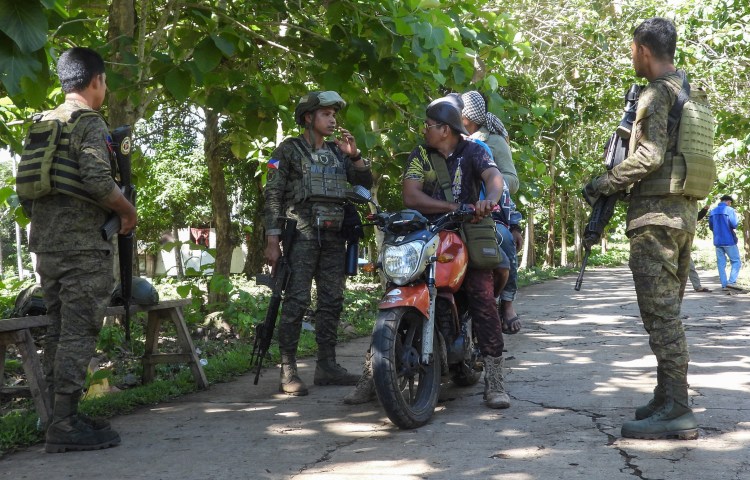
Philippine journalist RJ Nichole Ledesma killed in army operation
Bangkok, April 30, 2026—The Philippines government must immediately conduct an independent investigation into the killing of community journalist RJ Nichole Ledesma and hold any military members responsible for his death accountable, the Committee to Protect Journalists said Thursday. On April 19, Ledesma, a writer and editor at the local Paghimutad Negros and former editor-in-chief of…

CPJ, partners call for Frenchie Mae Cumpio’s release ahead of court ruling on conviction
The Committee to Protect Journalists joined a coalition of international and local press freedom organizations on Thursday in calling for the immediate release of Frenchie Mae Cumpio ahead of a court ruling on whether to grant a review of her bogus conviction for “financing terrorism.” On March 23, the judge in Cumpio’s case is scheduled…
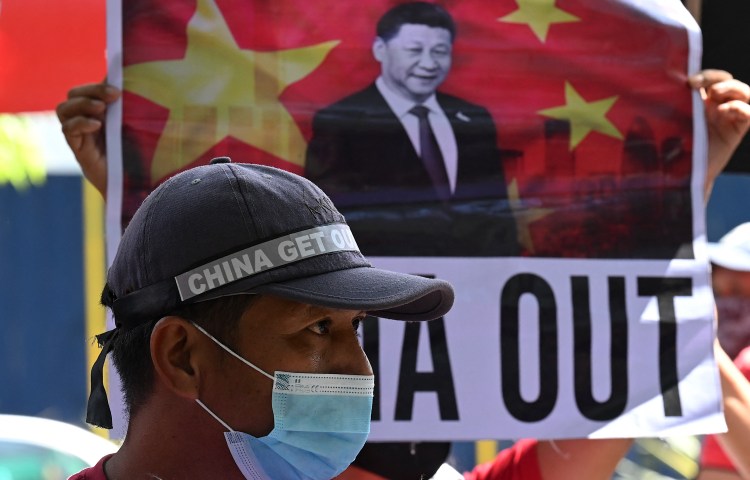
Chinese Embassy attacks Philippine outlet online over pro-Beijing propaganda investigation
Bangkok, March 9, 2026—China’s Embassy in the Philippines should cease its online attacks and intimidation against the Philippine Center for Investigative Journalism (PCIJ) after the outlet published a report into China-aligned influence networks operating in the country, the Committee to Protect Journalists said Monday. The embassy’s remarks targeted PCIJ contributor Regine Cabato’s investigation and follow-up…

Philippine journalist Frenchie Mae Cumpio denied bail, to remain in prison after 6 years
New York, February 16, 2026—The Committee to Protect Journalists condemns a Philippine court’s decision to deny journalist Frenchie Mae Cumpio bail, and calls on authorities to drop all remaining charges against her and immediately end the judicial harassment. “Frenchie Mae Cumpio has been deprived of her freedom for more than six years. The latest ruling…
CPJ and 91 global media groups press Philippine leader to free Frenchie Mae Cumpio
New York, February 6, 2026—The Committee to Protect Journalists and more than 90 media groups around the world have called on Philippine President Ferdinand Marcos Jr. to “right the wrong” and release jailed journalist Frenchie Mae Cumpio, as she marks six years behind bars on Saturday. In a joint letter to Marcos coordinated by CPJ…
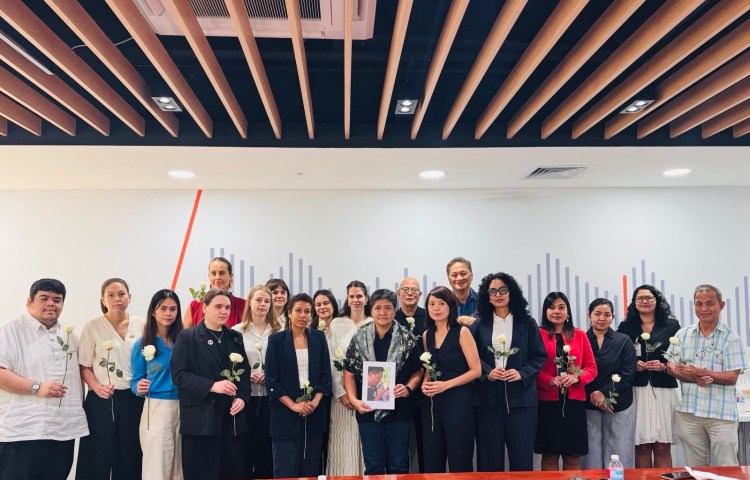
CPJ demands justice 15 years after the murder of Philippine journalist Gerry Ortega
Manila, January 27, 2026—Fifteen years after the murder of radio journalist Gerry Ortega, the Committee to Protect Journalists has urged Philippine authorities to swiftly deliver justice for his family and end impunity in one of the world’s most dangerous countries to be a journalist. Ortega was gunned down in 2011 outside a thrift store in…
#FreeFrenchieMaeCumpio: NGOs condemn journalist’s conviction as blow to press freedom in the Philippines
January 22, 2026—A coalition of international and local press freedom organizations condemns the sentencing of Filipino journalist Frenchie Mae Cumpio for between 12 and 18 years in prison in her terrorism financing case, denouncing it as a grave miscarriage of justice. Lawyers have moved for reconsideration of the verdict. Frenchie has meanwhile been acquitted on…