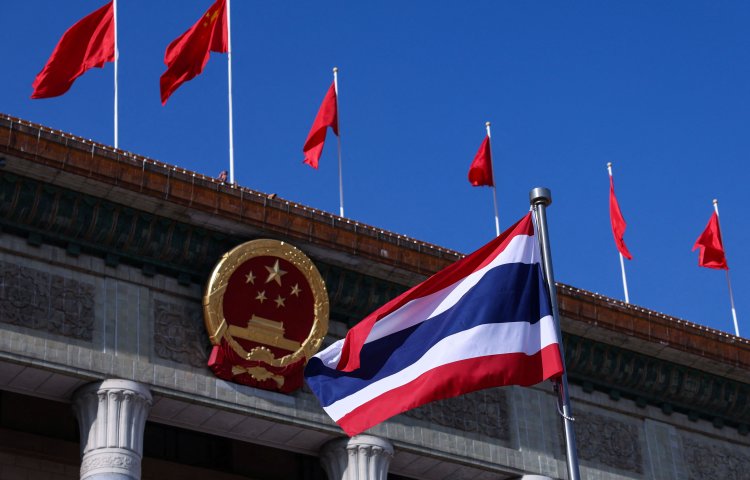
CPJ, partners call on Thailand not to deport detained journalist Bai Zhaodong to China
The Committee to Protect Journalists has joined 58 other press freedom and civil society organizations in calling on Thailand to halt the forcible return of detained Chinese journalist Bai Zhaodong to China. Bai, a former reporter with Caijing magazine and an investigative journalist for over 25 years, has been held in immigration detention in Thailand since January…

Investigative reporter Tom Wright faces criminal defamation charge in Thailand
Mae Sot, May 18, 2026—The Committee to Protect Journalists calls on Thai politician Vorapak Tanyawong to drop his criminal defamation suit against Whale Hunting newsletter’s investigative reporter Tom Wright, and urges Thailand to reform its criminal statutes so that they cannot be abused to silence the press. Wright told CPJ that he faces criminal charges…
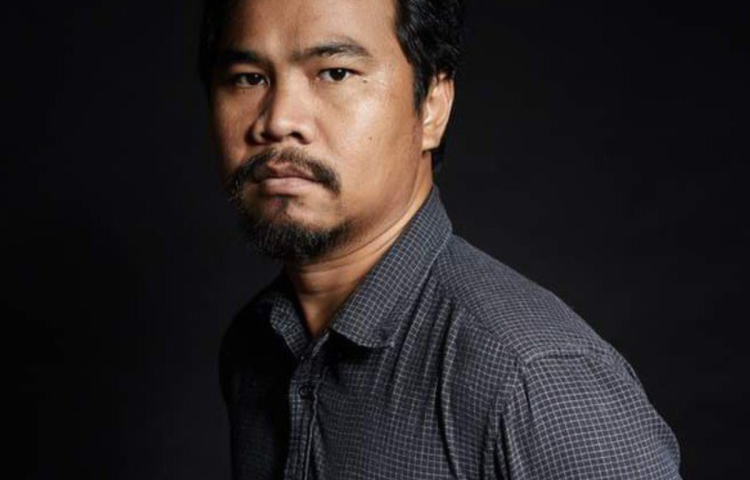
Thai journalist Kowit Phothisan could face years in prison for defamation
Bangkok, May 14, 2026—The Committee to Protect Journalists calls on Thai politician Suchart Chomklin to immediately drop his criminal defamation lawsuit against Kowit Phothisan, editor of the independent online outlet The Isaan Record, and on Thai authorities to strengthen protections against strategic lawsuits targeting journalists. Kowit faces charges for sharing a Facebook post related to…
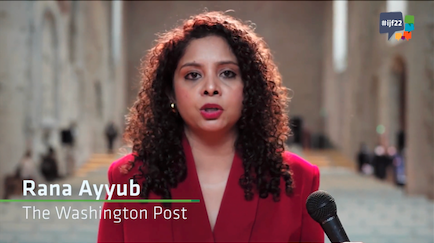
CPJ, partners urge Indian police to probe threats against journalist Rana Ayyub and her father
The Committee to Protect Journalists and nine partner organizations on November 19 urged Navi Mumbai Police Commissioner Milind Bharambe to investigate death threats made against Indian journalist and Washington Post columnist Rana Ayyub and her father, and to provide immediate protection for both. In a joint letter, the signatories welcomed the police’s swift registration of…
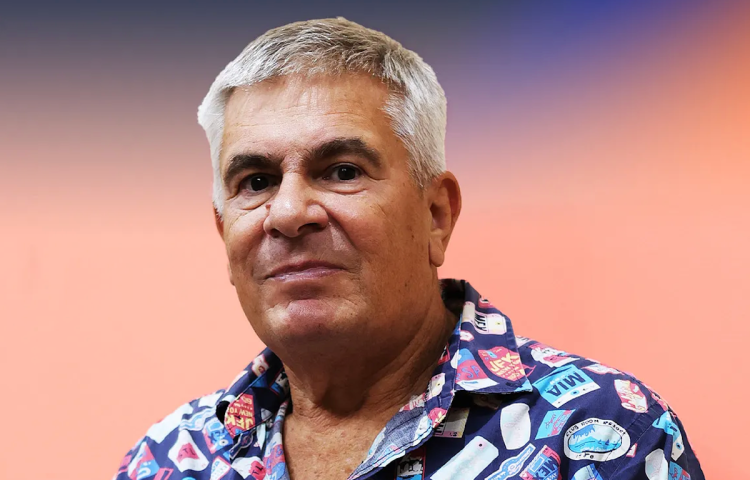
Thailand indicts journalist Murray Hunter on criminal defamation charges at Malaysia’s request
Bangkok, November 20, 2025—The Committee to Protect Journalists calls on authorities in Thailand to immediately drop criminal defamation charges against Australian journalist Murray Hunter, return his passport, and stop the country’s courts from serving as vehicles for transnational legal intimidation. Hunter, a Thailand-based journalist who has contributed to various international news publications, was indicted on…
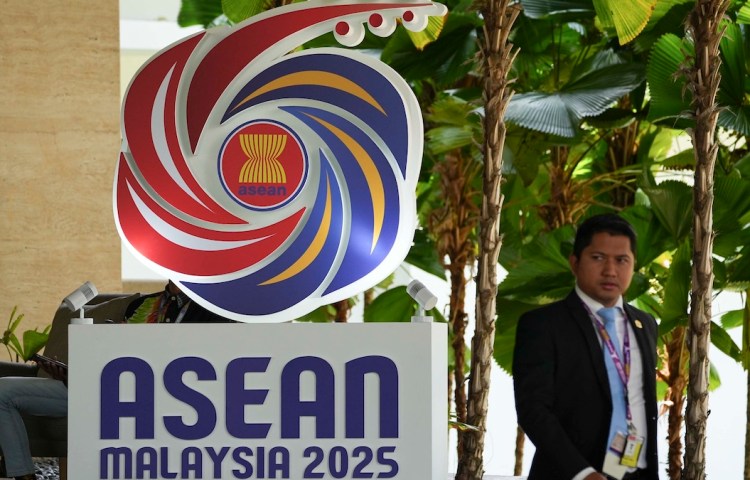
CPJ, Southeast Asian lawmakers call on ASEAN to protect journalists, media freedom
The Committee to Protect Journalists and a group of Southeast Asian lawmakers have called for the “active engagement” of the regional bloc ASEAN in protecting press freedom and the formation of an inter-parliamentary alliance to safeguard media rights in the region, which includes some of the worst offenders of press freedom. As governments escalate efforts…

Vietnamese blogger handed 12-year prison sentence for anti-state propaganda
Bangkok, October 31–A court in Hanoi sentenced Duong Van Thai, an independent Vietnamese blogger who went missing in Thailand and was later in Vietnamese custody in April 2023, to 12 years in prison and three years’ probation on Wednesday on charges of anti-state propaganda. “Vietnam’s harsh sentencing of blogger Duong Van Thai is grotesque and an outrage, particularly amid allegations he…
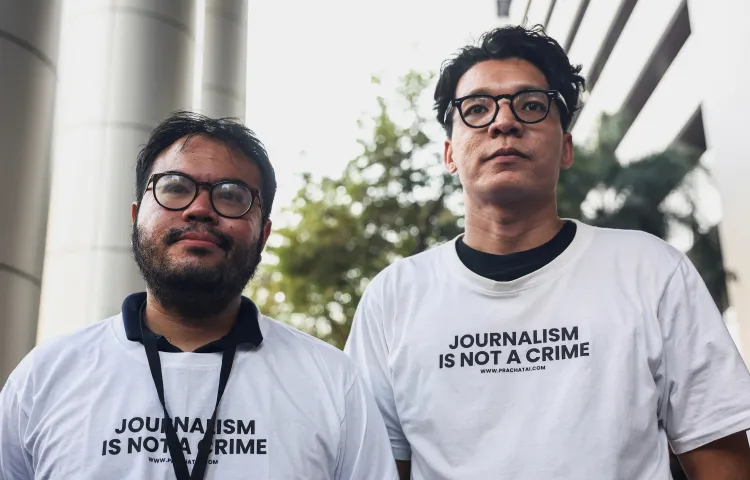
Thailand charges 2 journalists for reporting on anti-royal vandalism
Bangkok, February 14, 2023—Thai authorities should drop all charges pending against journalist Nutthaphol Meksobhon and photographer Natthapon Phanphongsanon and stop harassing the press for reporting on issues related to the nation’s monarchy, the Committee to Protect Journalists said on Wednesday. Nutthaphol, a reporter with the local independent Prachatai news website, and Natthapon, a freelance photographer,…
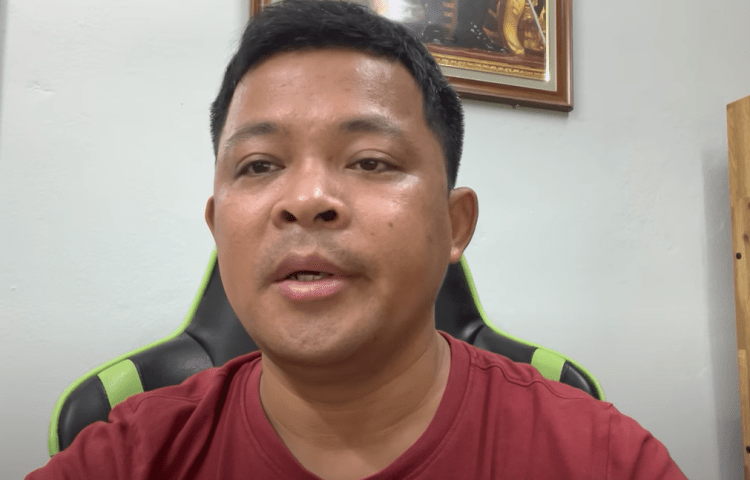
Journalist Duong Van Thai arrested in Vietnam after disappearing in Thailand
Manila, April 18, 2023—Vietnamese authorities should immediately release journalist Duong Van Thai and stop all efforts to harass and detain members of the press living in exile, the Committee to Protect Journalists said Tuesday. On April 13, Thai, an independent journalist who posts political commentary on YouTube and has about 119,000 followers, went missing in…
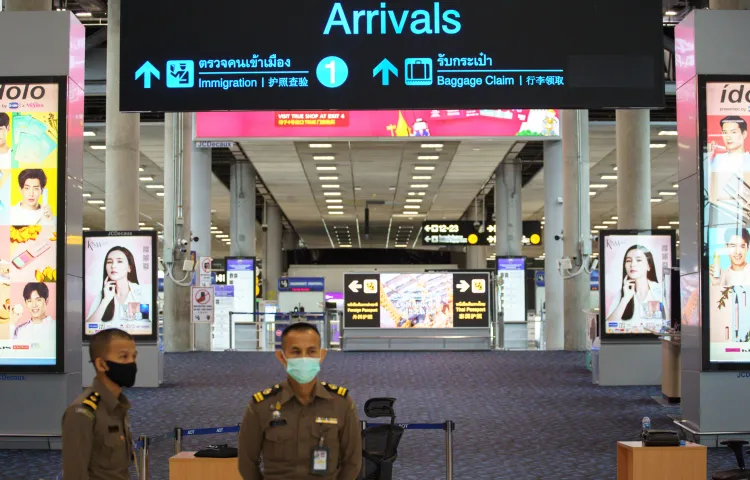
CPJ calls on Thailand not to deport detained Democratic Voice of Burma reporters to Myanmar
Bangkok, May 10, 2021 – Thai authorities should refrain from deporting three Democratic Voice of Burma reporters who were arrested yesterday, the Committee to Protect Journalists said today. “Thai authorities should uphold the country’s proud history as a sanctuary for journalists fleeing military repression in Myanmar, and on humanitarian grounds should not deport three Democratic…