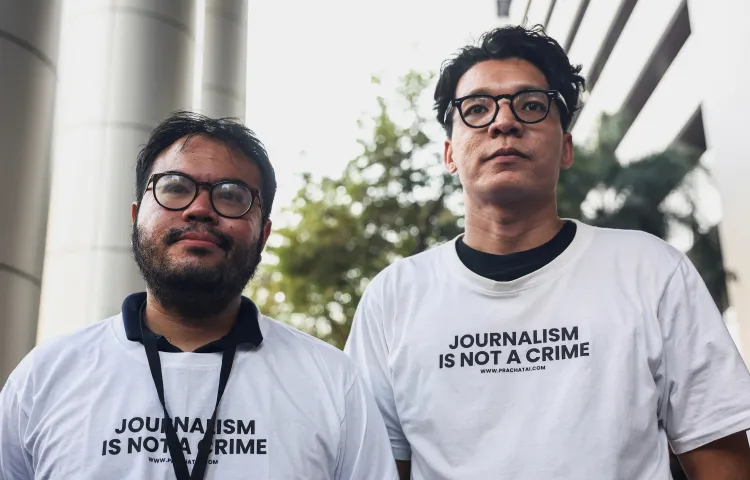
Thailand charges 2 journalists for reporting on anti-royal vandalism
Bangkok, February 14, 2023—Thai authorities should drop all charges pending against journalist Nutthaphol Meksobhon and photographer Natthapon Phanphongsanon and stop harassing the press for reporting on issues related to the nation’s monarchy, the Committee to Protect Journalists said on Wednesday. Nutthaphol, a reporter with the local independent Prachatai news website, and Natthapon, a freelance photographer,…
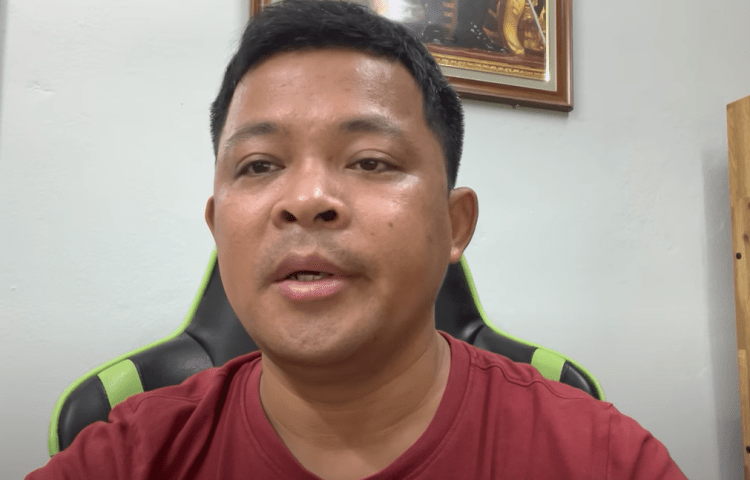
Journalist Duong Van Thai arrested in Vietnam after disappearing in Thailand
Manila, April 18, 2023—Vietnamese authorities should immediately release journalist Duong Van Thai and stop all efforts to harass and detain members of the press living in exile, the Committee to Protect Journalists said Tuesday. On April 13, Thai, an independent journalist who posts political commentary on YouTube and has about 119,000 followers, went missing in…
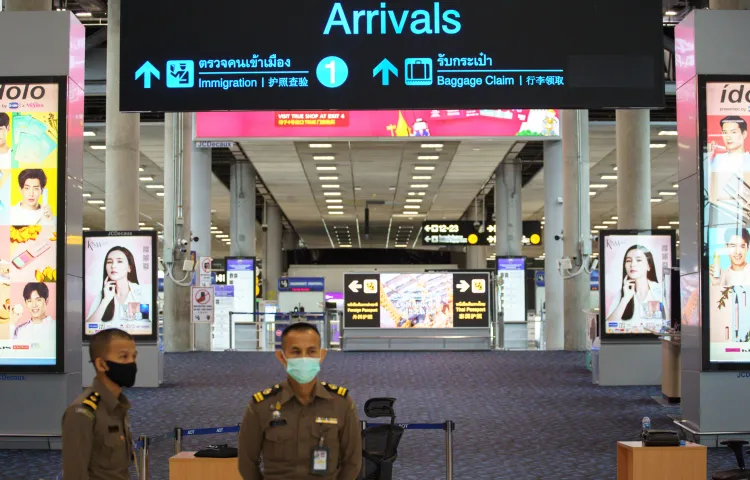
CPJ calls on Thailand not to deport detained Democratic Voice of Burma reporters to Myanmar
Bangkok, May 10, 2021 – Thai authorities should refrain from deporting three Democratic Voice of Burma reporters who were arrested yesterday, the Committee to Protect Journalists said today. “Thai authorities should uphold the country’s proud history as a sanctuary for journalists fleeing military repression in Myanmar, and on humanitarian grounds should not deport three Democratic…
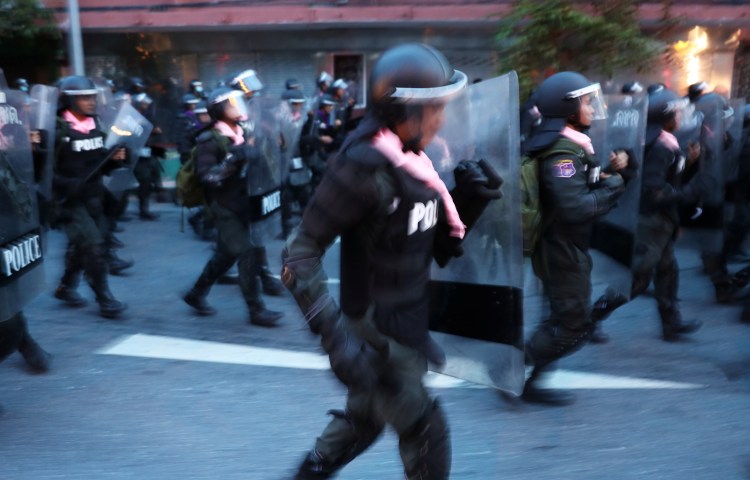
Thailand issues emergency decree, nationwide restrictions on press
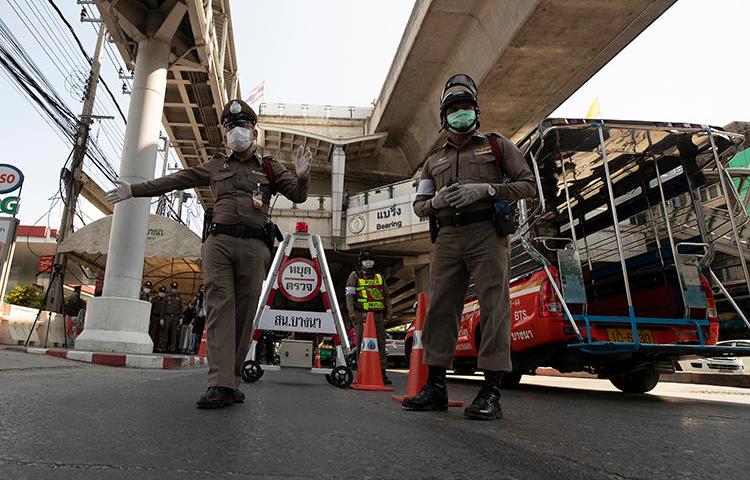
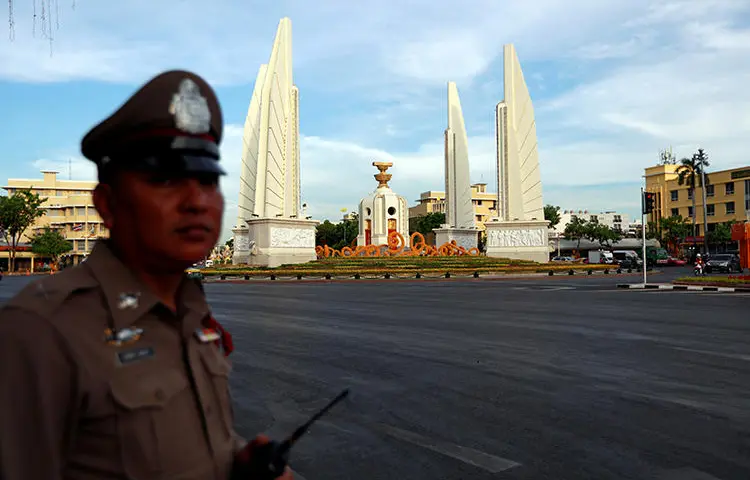
Bangkok, October 15, 2020 — The Thai government should immediately drop its emergency decree restricting the ability of the press to cover protests, the Committee to Protect Journalists said today. At 4 a.m. today, the Thai government issued a decree limiting public assembly and instituting a nationwide ban on publishing and broadcasting news that could…
CPJ condemns 15-day ban on Thai TV news station
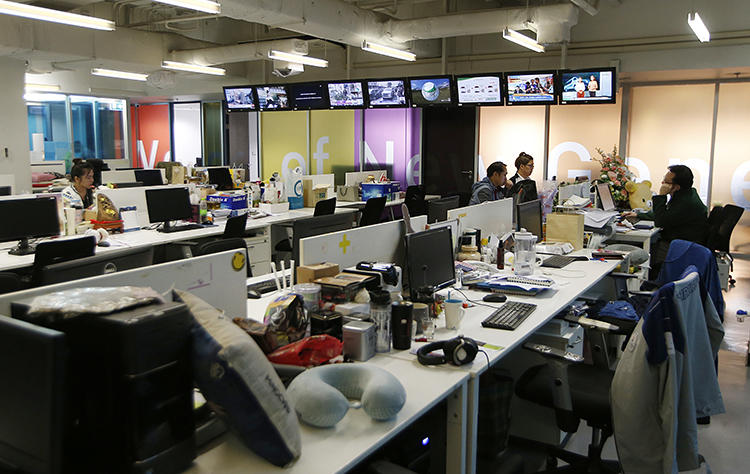
Bangkok, February 13, 2019–The Committee to Protect Journalists today condemned the decision by a Thai media regulator to suspend the broadcasting license of Voice TV for 15 days and called on the country’s military government to allow all media to report freely on the nation’s politics.
CPJ calls on Thailand to account for missing Vietnamese blogger
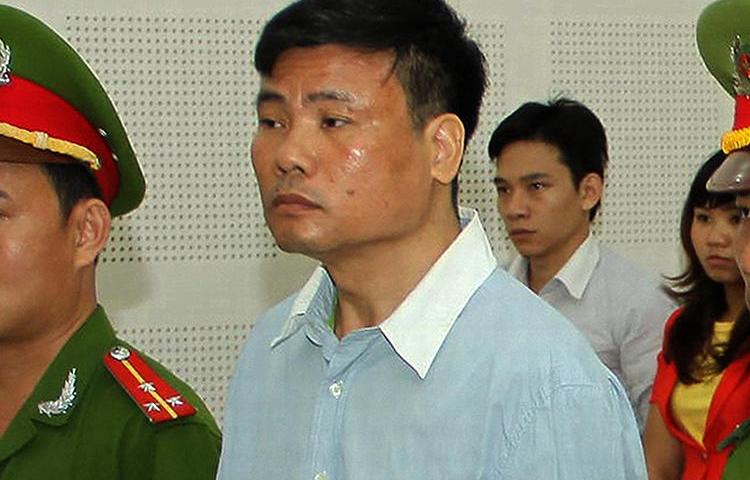
Bangkok, February 6, 2019–The Committee to Protect Journalists today called on Thai authorities to investigate the disappearance of Vietnamese blogger Truong Duy Nhat, publicly report on that investigation’s findings, and take all measures to ensure that the journalist has not been illegally abducted or detained.
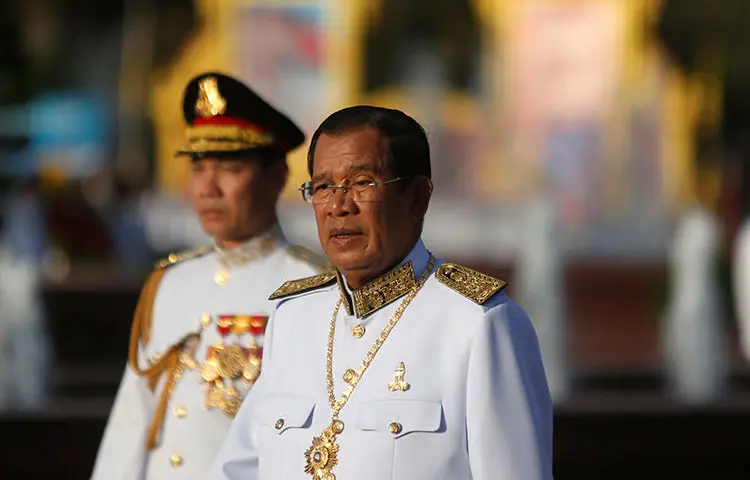
News fixer deported from Thailand to Cambodia on ‘false news’ accusation
Bangkok, December 13, 2018–A Cambodian news fixer who helped to produce a documentary on sex trafficking for Russian government-funded international news network Russia Today, or RT, was deported yesterday from Thailand to Cambodia on accusations of abetting the production of false news, according to news reports.