
Tipping the scales: Journalists’ lawyers face retaliation around the globe
The smears began the day Christian Ulate began representing jailed Guatemalan journalist José Rubén Zamora: tweets accusing the lawyer of being a leftist or questioning his legal credentials. He began to fear he was being surveilled. Ulate had taken over the case in August 2022 from two other lawyers, Romeo Montoya García and Mario Castañeda,…
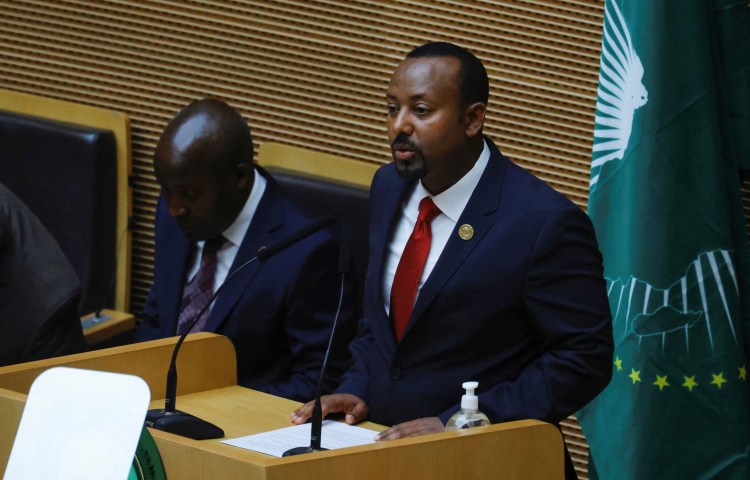
CPJ, 47 rights organizations call on Ethiopia to end internet shutdowns
The Committee to Protect Journalists joined 47 human rights organizations in an April 27 letter calling on Ethiopian Prime Minister Abiy Ahmed to ensure unfettered internet and digital communications access. The letter expressed alarm at the weaponization of internet shutdowns in the country, highlighting several recent disruptions, including on April 3 when authorities blocked access…
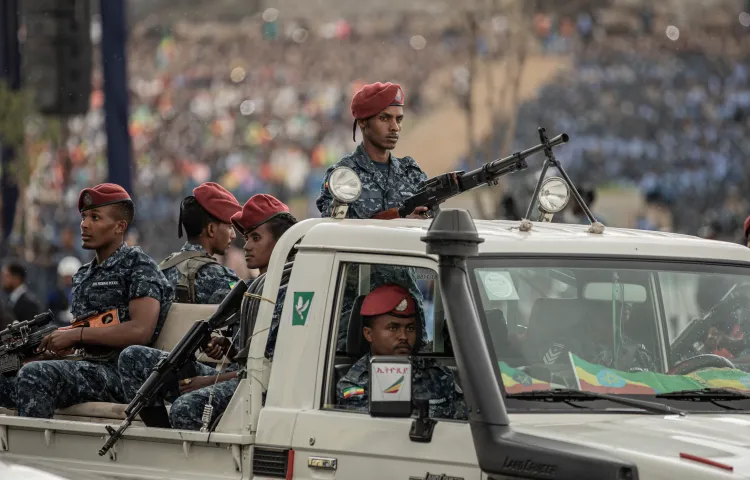
Journalists face growing hostility as Ethiopia’s civil war persists
Ethiopia’s 21-month-old civil war is accelerating the deterioration of press freedom in the Horn of Africa nation. The conflict between the federal government and the rebel forces led by the Tigray Peoples’ Liberation Front (TPLF) has prompted a media crackdown that extinguished the glimmer of hope sparked by the initial reforms of Prime Minister Abiy…
Ethiopia’s civil war dashes once-high hopes of press freedom
In a Facebook post at the end of October, Awlo Media Center, an Ethiopian online news outlet critical of Prime Minister Abiy Ahmed’s administration, announced that the government’s “pressure and obstruction” had forced it to shut down and lay off all of its employees. The closure came after a number of Awlo Media Center journalists…
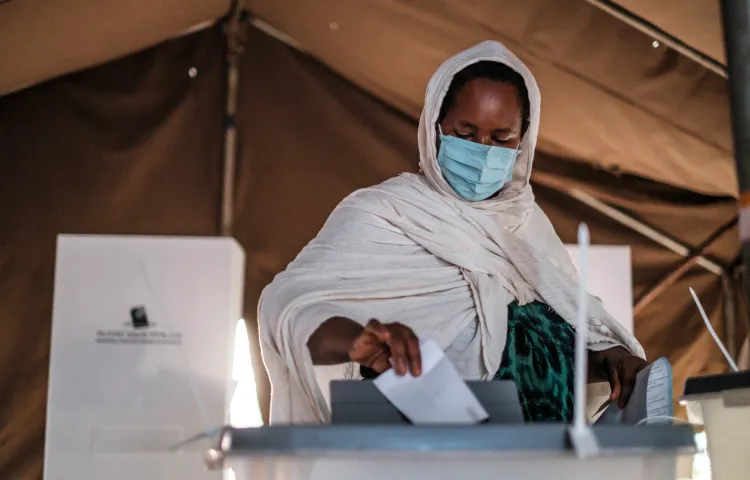
CPJ joins call urging Ethiopia to maintain internet access during elections
The Committee to Protect Journalists recently joined 46 other human rights, free expression, and technology organizations in a letter calling on Ethiopian Prime Minister Abiy Ahmed to guarantee secure and reliable internet access during and following the country’s elections. In the letter, sent on June 18, members of the #KeepItOn Coalition against internet shutdowns also…
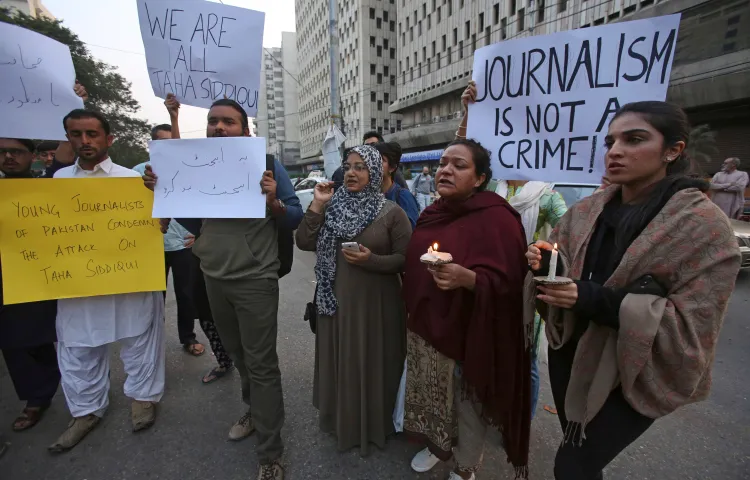
At-risk journalists who must flee home countries often find few quick and safe options
In 2018, journalist Mohammad Shubaat was in Daraa, Syria, caught between advancing forces aligned with Syrian President Bashar al-Assad and the closed borders of Israel and Jordan. Despite the dire threat to Shubaat and many of his colleagues, it would take over a year of intense negotiations with some 20 countries by the Committee to…
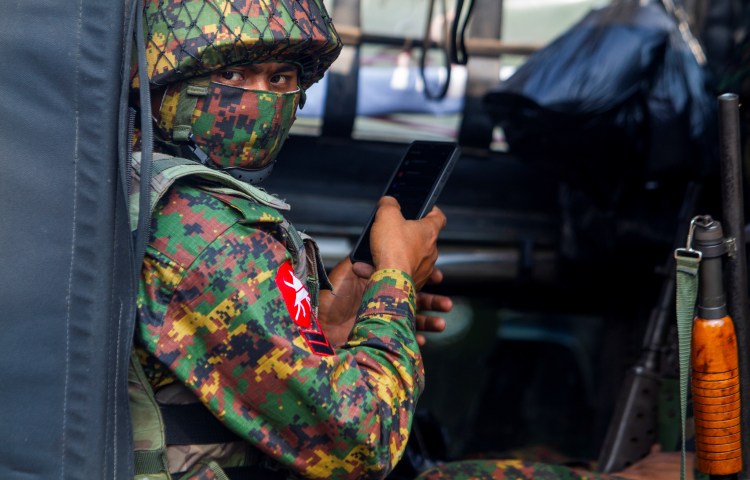
Journalists struggle to work amid extended internet shutdowns in Myanmar, Ethiopia, Kashmir
By CPJ Africa and Asia Program Staff Even a brief shutdown of the internet impedes the press from doing its job. But some disruptions last for months, severely undermining safety and access to information, CPJ has found. Recently, authorities have imposed such measures in Myanmar and Ethiopia amid serious crises. India leads the world in internet…

Election disinformation happens all over the world. These journalists are combating it.
With multiple federal investigations underway into the January 6 Capitol riot, concerns still abound about the spread of disinformation around the U.S. election. But the U.S. is not alone in confronting the phenomenon. Disinformation is happening all over the world – especially during high stakes events like national votes. “It’s language agnostic, it’s region agnostic,…
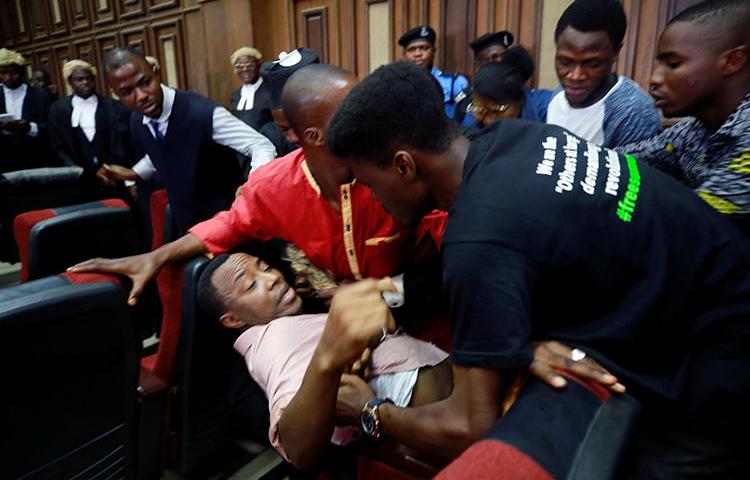
Nigeria and Ethiopia jail activist-journalists amid crackdown on free expression
The ongoing detentions of Nigerian publisher Agba Jalingo and Ethiopian editor Fekadu Mahtemework–the only journalists behind bars for their work in their countries, according to CPJ’s latest prison census–don’t tell the whole story of their governments’ crackdowns on freedom of expression.
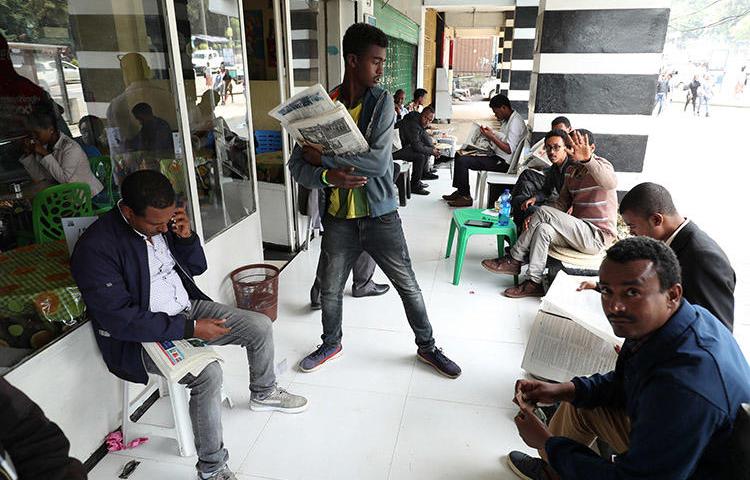
In era of reform, Ethiopia still reverts to old tactics to censor press
On June 22, Ethiopia was plunged into an internet blackout following what the government described as a failed attempted coup in the Amhara region. In the aftermath at least two journalists were detained under the country’s repressive anti-terror law, part of an uptick in arrests that CPJ has noted in the country since May.