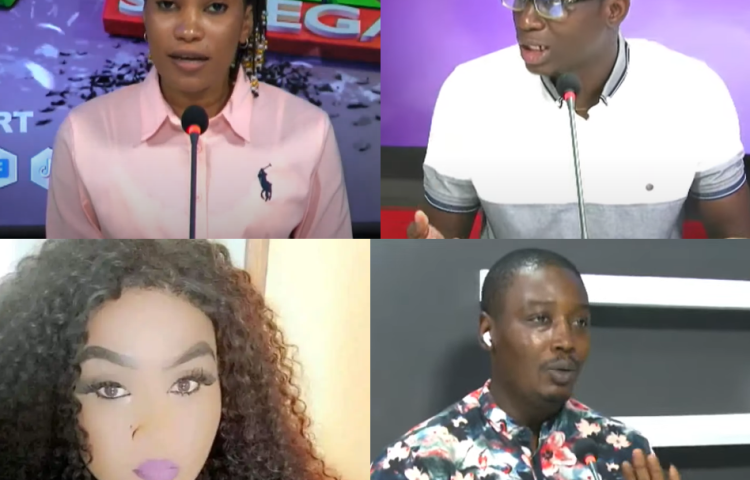
Record number of journalists in Senegal’s jails amid political turmoil
Senegalese reporter Ndèye Maty Niang, also known as Maty Sarr Niang, would have likely jumped at the chance to report on the political crisis gripping her country since the president postponed elections in early February. But Niang can’t cover the news – she’s in a women’s prison awaiting trial. She’s not alone: Niang is one…
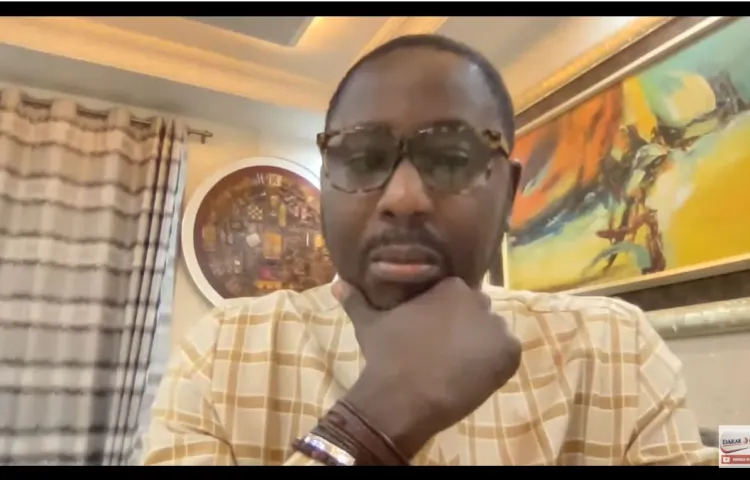
CPJ joins RSF and 76 journalists, press freedom orgs in calling for release of Senegalese journalist Pape Alé Niang
CPJ joined Reporters Without Borders and 76 press freedom organizations and journalists on Friday, January 6, in calling on Senegalese authorities to drop the charges against and immediately release journalist Pape Alé Niang, who is on a protracted hunger strike deteriorating his health. Niang was refused provisional release this week by a judge, his lawyer…

After Charlie Hebdo attack, vigils, protests and publishing bans
Protests against the French satirical weekly Charlie Hebdo were held in Afghanistan, Pakistan, the Middle East and parts of Africa over the weekend, as crowds demonstrated against the magazine’s portrayal of the Prophet Muhammad, according to news reports.
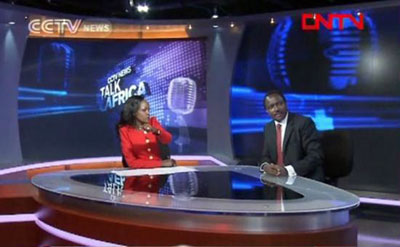
China’s media footprint in Kenya
Will China’s quickly expanding media presence in Africa result in a fresh, alternative, and balanced perspective on the continent–much as Al-Jazeera altered the broadcast landscape with the launch of its English service in 2006–or will it be essentially an exercise in propaganda?
Video: Bocar Dieng on reporting Senegal’s elections
Political violence in Senegal from Committee to Protect Journalists on Vimeo.Last week’s unexpected coup d’etat in Mali somewhat overshadowed, in the international news cycle, a relatively peaceful transition of power in the neighboring democracy of Senegal. In a second-round vote, opposition leader Macky Sall on Sunday defeated his former mentor, 85-year-old incumbent President Abdoulaye Wade;…

Who knew? Senegalese arrest, prosecution can be swift
Last week, a judge in Senegal convicted a man of assaulting three journalists outside their newspaper’s office in the capital Dakar last month. The attack was not related to journalism, but the quick arrest and prosecution of the perpetrator serves as an instructive contrast between the handling of an ordinary crime and the handling of…

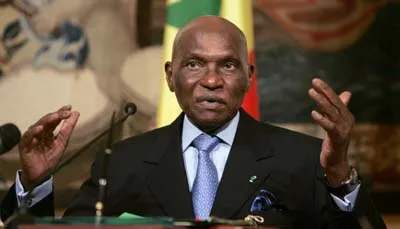
Mission Journal: Politics influence justice in Senegal
Senegalese journalists say justice is not on their side when they are victims of abuse by powerful officials or security forces. I met recently in Dakar with journalists targeted with criminal acts in apparent reprisal for their work. In these two high-profile cases, CPJ has found evidence of political influence on the judiciary.
Senegalese press growing against all odds
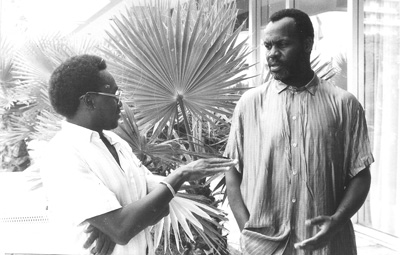
Fifty years after independence, the profession of journalism seems to have retained its prestige with the general public in Senegal. The Senegalese press is considered one of the most vibrant in Francophone Africa. It benefits from the country’s extensive democratic experience and the existence of a journalism school with a good reputation. Yet, because of the relatively unfavorable economic…
Senegalese president responds to CPJ
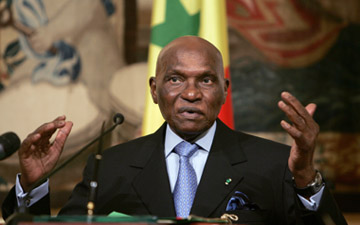
Senegalese President Abdoulaye Wade has written a response to a recent CPJ protest letter. While we welcome his attention to the issues we raised about press freedom last month, we note with great concern the president’s comments about the ongoing criminal case of two journalists assaulted by police in 2008.