
More than a dozen South African journalists targeted as anti-migrant deadline looms
South African journalist Sakhiseni Nxumalo was reporting on an anti-migrant march, which turned into a deadly attack on foreign nationals, when he himself became a target because of his dark skin. He is one of at least 15 journalists targeted in South Africa in recent months, CPJ’s reporting found. Nxumalo, who works for the digital…

Gag orders against journalists raise South Africa press freedom concerns
When a South African solar panel company last month dropped its legal battle over a gag order preventing journalist Bongani Hans from reporting on allegations of misleading clients, Hans told the Committee to Protect Journalists that he saw it as “a victory for media and press freedom.” But for Hans and others in the country’s…
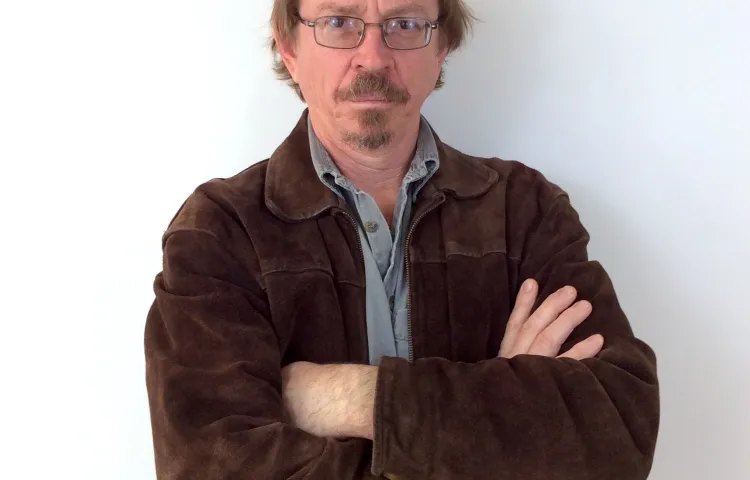
South African journalist Sam Sole on landmark court victory: “2008 surveillance was the tip of the iceberg”
South Africa’s highest court, the Constitutional Court, handed down a landmark judgment on February 4 that not only protects journalists and their sources from surveillance abuse, but also upheld a lower court’s ruling that the insidious practice of the bulk interception of ordinary citizens’ data and communication is illegal. The ruling, documented by CPJ, was…
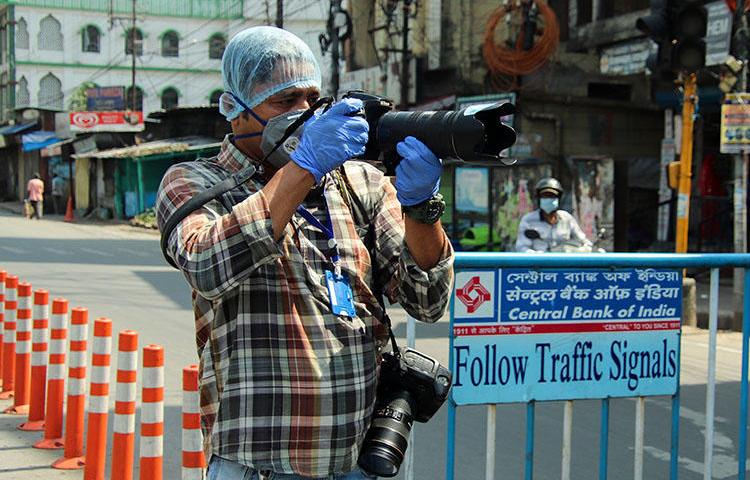
Freelance journalists risk lives and livelihoods amid COVID-19 pandemic
Johannesburg-based freelance journalist Yeshiel Panchia was on his way to cover a story about a local developer who had found a way to keep his wage laborers employed during South Africa’s coronavirus lockdown by letting them live on the construction site so that they didn’t have to leave “home” in contravention of strict rules.
Discredited, threatened, attacked: challenges of covering South Africa’s election in the digital age
In the lead up to South Africa’s elections in May, the Electoral Commission of South Africa accredited CPJ Africa Program Coordinator Angela Quintal as an international observer, monitoring press freedom. Quintal found that unlike 1994–when she covered the violence of the country’s first democratic elections–journalists in 2019 cited online harassment and threats as the biggest…


South African police repeatedly force journalists to delete photos
South Africa is synonymous with crime in the eyes of many–as evidenced by the recent mugging of a TV crew live on camera–but for the press, a more sinister threat to freedom lies in the growing number of cases where it is the police, in flagrant denial of their orders, who intimidate and threaten journalists,…

After Charlie Hebdo attack, vigils, protests and publishing bans
Protests against the French satirical weekly Charlie Hebdo were held in Afghanistan, Pakistan, the Middle East and parts of Africa over the weekend, as crowds demonstrated against the magazine’s portrayal of the Prophet Muhammad, according to news reports.
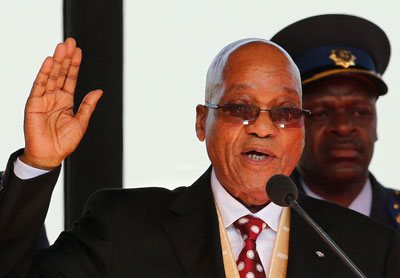
South Africa’s new communications ministry causes concern
Freedom of expression advocates in South Africa are concerned that the new Ministry of Communications, announced by President Jacob Zuma when he unveiled his cabinet on May 25, will compromise the independence of the public broadcaster and serve as a propaganda office.

SABC betrays South Africa’s young democracy
This week, South Africans go to the polls for their fifth democratic elections since 1994, but despite constitutional guarantees of media freedom, the vast majority of South Africans who vote will do so informed only by the positive news and information carried by a public broadcaster widely criticized for its partiality to the ruling party.