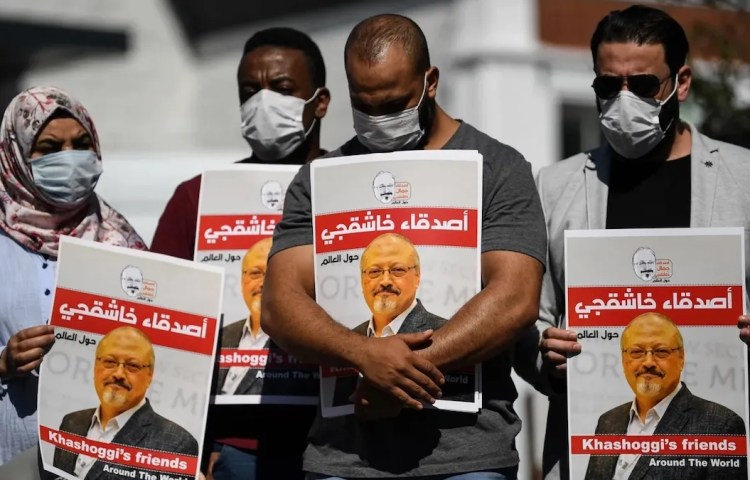
World Refugee Day 2026: Supporting journalists in exile amid transnational repression
World Refugee Day draws attention to journalists who have been forced to flee their home countries due to threats, conflict, or repression. While exile is now recognized as a growing reality for journalists worldwide, the experiences of journalists CPJ supported last year reflect the reality that relocation does not necessarily bring safety. Increasingly, journalists in…
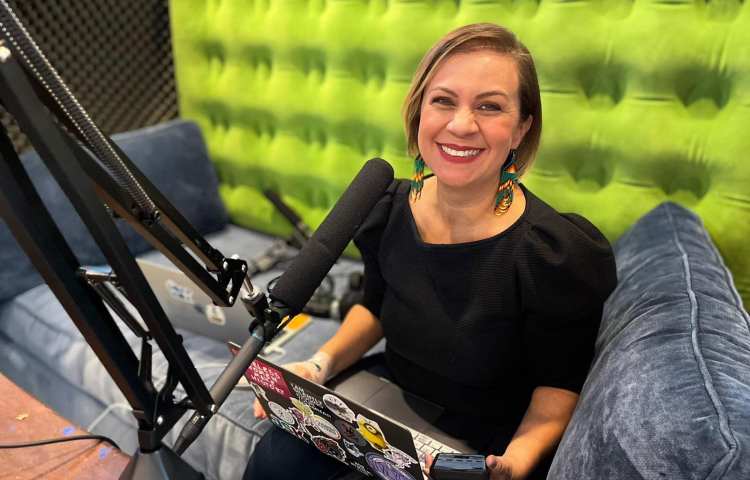
News leader Maritza Félix on covering immigration in Arizona
Since President Donald Trump’s return to office, immigration enforcement in the United States has accelerated sharply, creating new and serious obstacles for journalists covering these policy impacts on local communities. The Committee to Protect Journalists has documented the use of immigration authorities to target reporters, including journalists who were in the country legally at the…
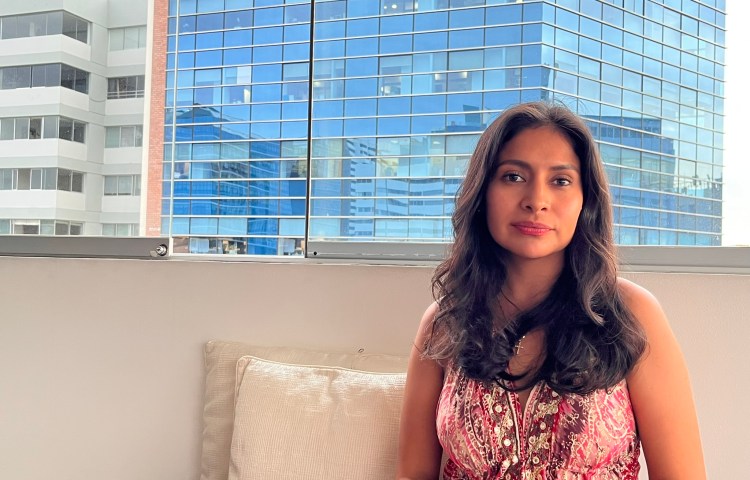
Peruvian journalists face threats, death amid country’s democratic backsliding
Peruvian journalist Geraldine Santos is only 30 years old, and she is already preparing for her funeral. Santos says she has received so many threats while reporting on cocaine trafficking and environmental crimes in the Amazon jungle that she has arranged for her family to contact a government source who, in case Santos is murdered,…
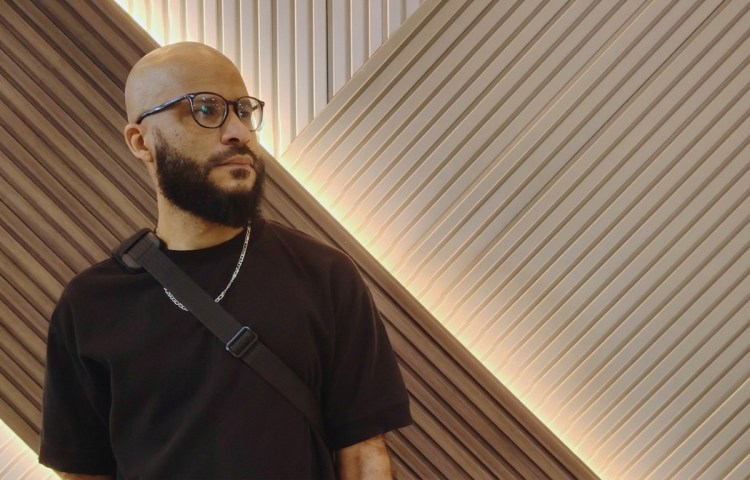
Venezuelan journalist details complicated fight for amnesty post-Maduro
After nearly a year in prison, Venezuelan journalist Rory Branker is finally free. But he has yet to liberate himself from what legal experts and press freedom groups describe as trumped-up criminal charges that are hanging over his head. After the U.S. military ousted Venezuelan President Nicolás Maduro in January, Branker was one of more than two dozen journalists to be…
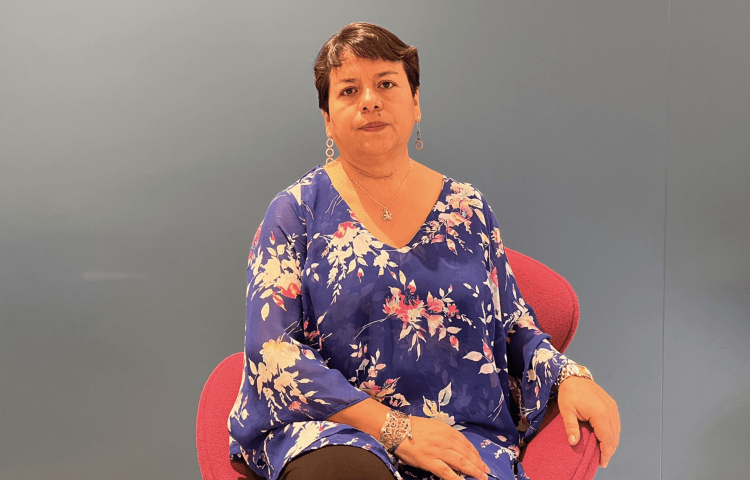
Daughter of slain Peruvian journalist Hugo Bustíos calls release of convicted mastermind ‘an insult’ to justice
Sharmelí Bustíos Patiño was only 14 when her father, 38-year-old Peruvian journalist Hugo Bustíos Saavedra, was killed on November 24, 1988, while covering the war between the Peruvian army and Shining Path fighters in a violent ambush near the town of Huanta. After nearly four decades of fighting to find her father’s killer, Sharmelí found justice in 2023…
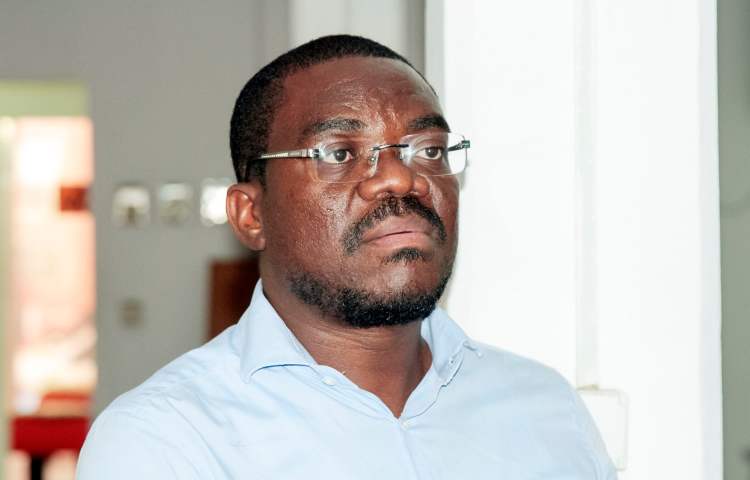
‘I literally felt naked’: Angolan journalist Teixeira Cândido targeted with Predator spyware
Angolan journalist and lawyer Teixeira Cândido wants to know who targeted him with spyware, and he wants justice. “First and foremost, we must seek to find out who the entities are that have acquired these spyware tools,” Cândido told CPJ, as findings published by Amnesty International’s Security Lab show that a malicious link sent in…
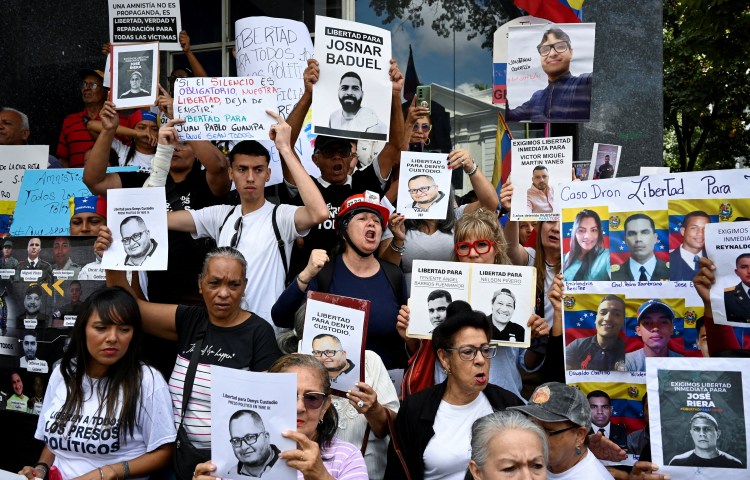
Freed Venezuelan journalist says time behind bars ‘made me feel desperate’
Following the January 3 American military operation that captured Venezuelan President Nicolás Maduro, the country’s interim government has released hundreds of political prisoners, among them journalist Nakary Ramos. Ramos, 29, was arrested with her videographer husband, Gianni González, on April 8, 2025, after the online news site Impacto Venezuela aired their report on crime rates…
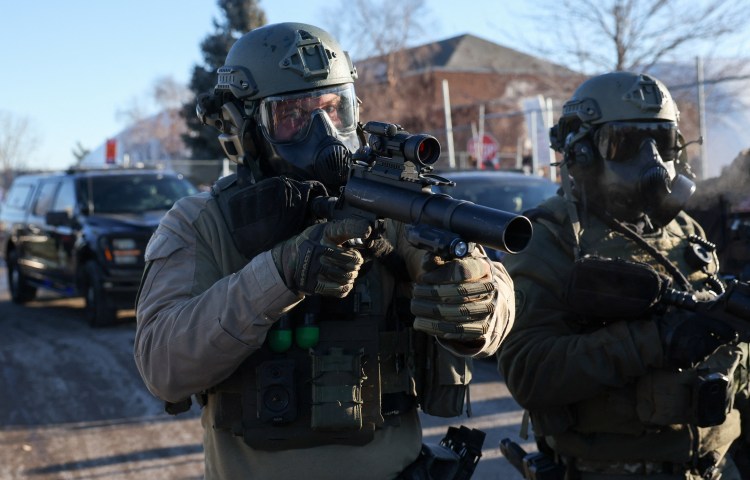
Minnesota reporters recount ICE actions, community solidarity: ‘I know it’s going to be dangerous’
As Immigration and Customs Enforcement (ICE) and Border Patrol operations have intensified in the Minneapolis and Saint Paul areas as part of the Department of Homeland Security’s (DHS) Operation Metro Surge, local journalists have provided an essential look at understanding the impact of federal agents on their community. While DHS says the operation is aimed…
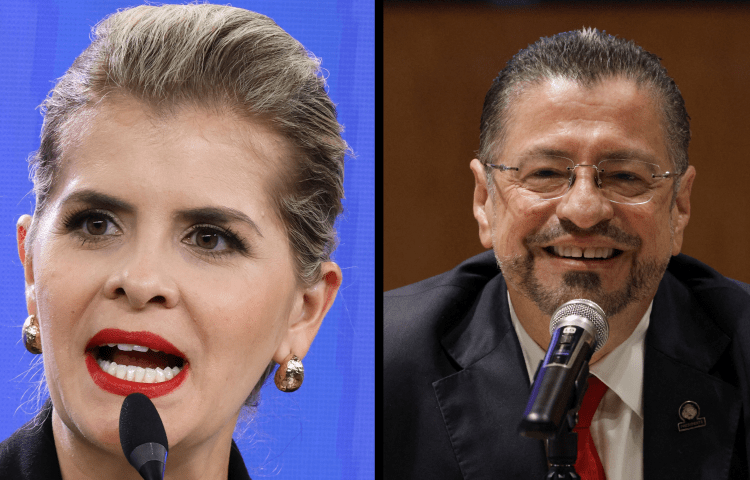
Costa Rica’s press freedom hangs in the balance ahead of presidential election
For decades, Costa Rica was held up as Central America’s democratic exception: a country without an army, with strong democratic institutions, and a press able to scrutinize those in power without facing systematic retaliation. That reputation is now being tested as Costa Rica heads into presidential elections that will culminate in a first round on…
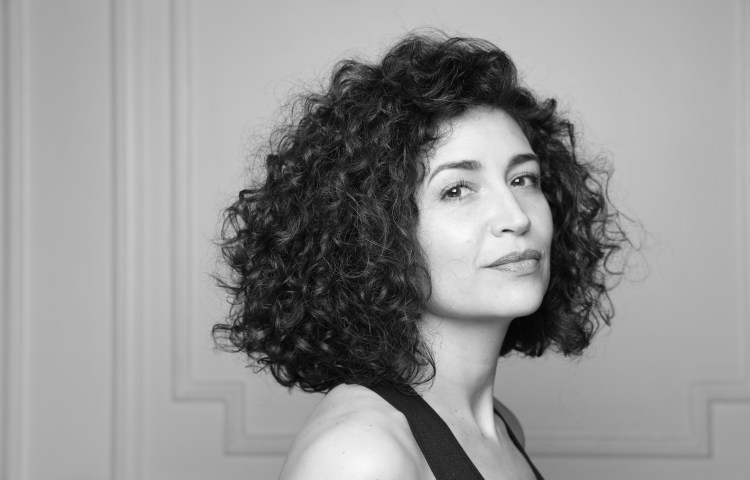
Argentinian journalist waiting to fight President Milei in court after deepfake pornography bullying scandal
Journalist Julia Mengolini, founder and director of radio station Futuröck, caught widespread attention last summer after suing Argentinian President Javier Milei and more than 20 people connected to his administration, accusing them of “unlawful association, embezzlement of public funds, coercive threats,” and “public incitement to hatred.” A judge has yet to take up the case, Mengolini told CPJ….