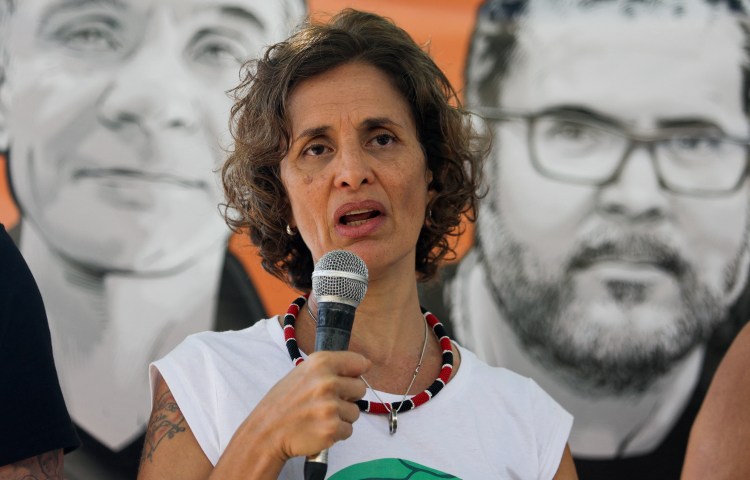
Widow of murdered reporter Dom Phillips empowers young Indigenous leaders to defend the rainforest
After British climate journalist Dom Phillips was found dead in Amazonas’ state Javary Valley region on June 15, 2022, his widow, Alessandra Sampaio, set out to finish his most important work, compiled in the new book “How to Save the Amazon.” Now she is helping prepare a new generation of Indigenous leaders to continue their fight to defend the…
Faces of impunity across the world
CPJ’s 2023 Global Impunity Index lists the top 12 countries where the murderers of journalists go free. But impunity knows no borders. The mosaic below shows the faces of slain journalists around the world. Beneath each journalist’s photo is the location of their death. Click the images for more details about these unsolved cases. (Photo grid by Geoff McGhee)
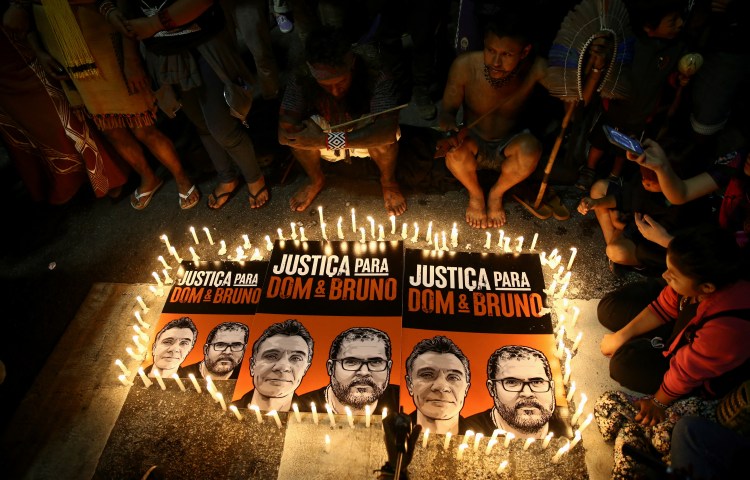
CPJ joins letter calling on incoming Brazilian government to address press freedom concerns
The Committee to Protect Journalists joined this week eight civil society groups and press freedom organizations in a letter to the communications working group of the Brazilian transitional government, urging the incoming federal administration to adopt measures to protect press freedom and the safety of journalists. In a meeting with representatives of the working group…
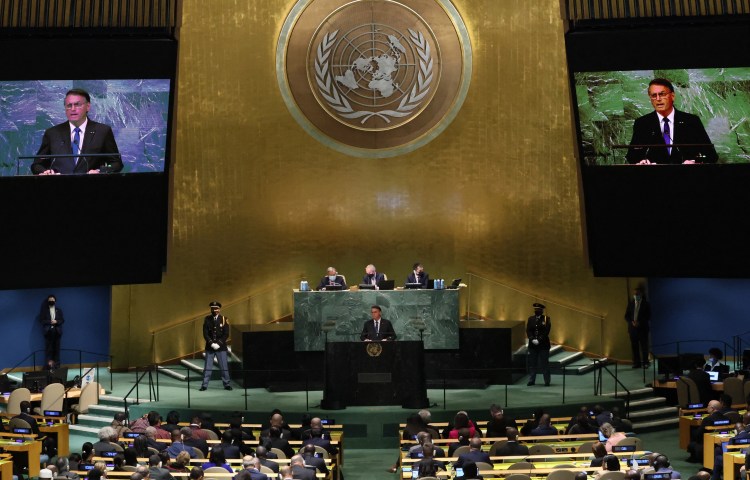
CPJ submits report on Brazil to United Nations Universal Periodic Review
Brazil’s human rights record is under review by the United Nations Human Rights Council through the Universal Periodic Review (UPR). This U.N. mechanism is a peer-review process that surveys the human rights performance of member states, monitoring progress from previous review cycles, and presents a list of recommendations on how a country can better fulfill…
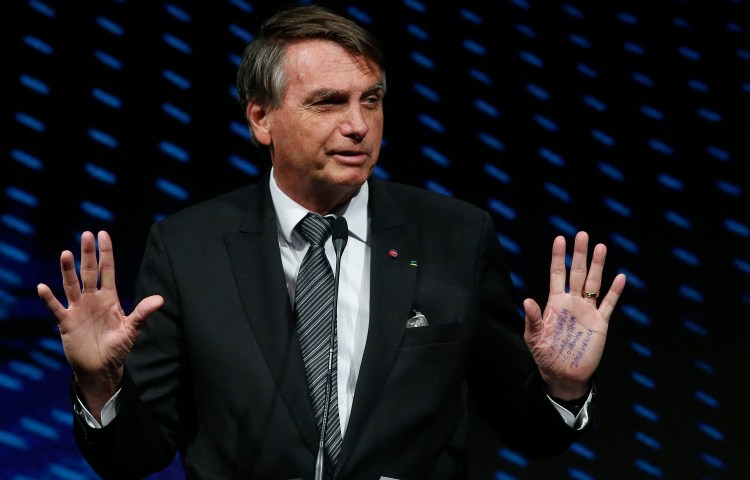
Press freedom groups call for Brazilian presidential candidates to ensure safety of journalists covering elections
The Committee to Protect Journalists joined 10 other civil society groups and press freedom organizations this week in a letter to all Brazilian presidential candidates, urging them, their political parties, and parties’ coalitions to commit to ensuring that journalists can report safely and freely during upcoming elections in Brazil. In the letter, the organizations highlighted…
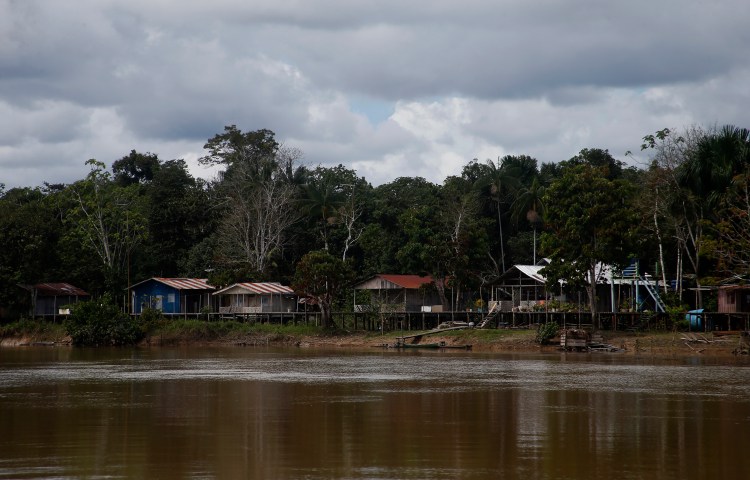
‘Covering a lawless land’: Brazilian journalists on reporting in the Amazon after Dom Phillips’ and Bruno Pereira’s killings
The June murders of British journalist Dom Phillips and Indigenous issues expert Bruno Pereira, whom police suspect were killed by people with ties to illegal fishing in the Amazon, amounted to a “nightmare” come true, Brazilian journalist Daniel Camargos, who often covers the Amazon, told CPJ in a phone interview. Camargos, an investigative reporter for news website Repórter Brasil,…
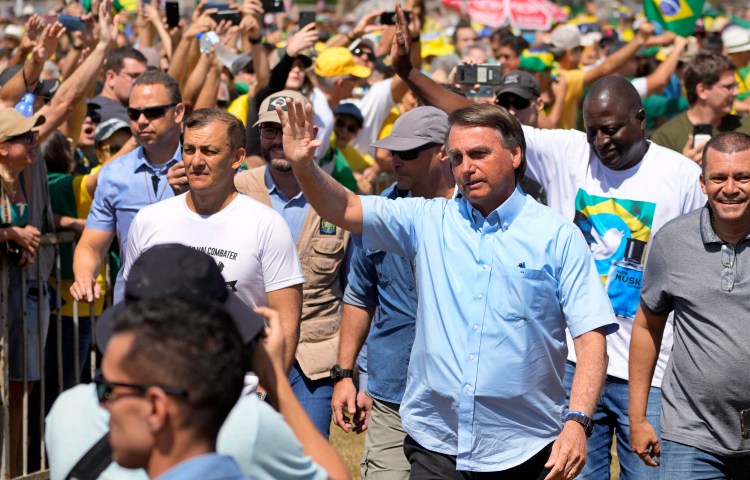
CPJ joins call for Brazilian authorities, electoral candidates to respect press freedom
The Committee to Protect Journalists joined 10 Brazilian and international civil society groups and press freedom organizations in a statement marking World Press Freedom Day on May 3, 2022, calling for Brazilian authorities and candidates in upcoming elections to respect the role of a free press and ensure journalists can work safely. The statement notes…

‘A never-ending nightmare’: A son’s decade-long fight for justice for murdered Brazilian sports journalist Valério Luiz de Oliveira
On July 5, 2012, Valério Luiz de Oliveira Filho was at home waiting for his father to arrive for lunch when he received a phone call from his stepmother. “Go to the broadcaster,” she told him through tears, he said. “Your father has been shot.” His father, Valério Luiz de Oliveira, a well-known sports journalist…

A press freedom crisis unfolds in Latin America
As the number of journalists imprisoned globally for their work climbs to record highs, cases of those behind bars in Latin America remained relatively low. A total of six – three in Cuba, two in Nicaragua and one in Brazil – were in custody for their work as of December 1, according to the Committee…
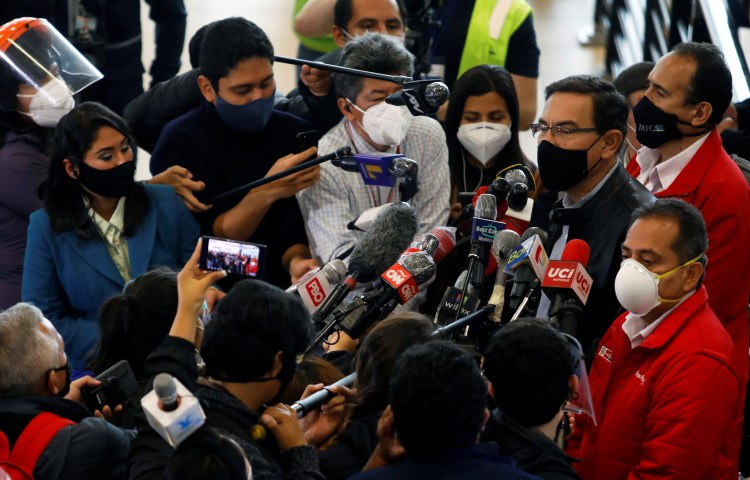
In five Latin American countries, COVID-19 responses restrict press freedom, CPJ, TrustLaw find
In Bolivia, Brazil, El Salvador, and Peru, emergency measures in response to COVID-19 restricted the media’s capacity to report freely and the public’s ability to access information, including critical information about public health interventions and the pandemic itself, a report by the Committee to Protect Journalists and Thomson Reuters Foundation’s TrustLaw program found. The report,…