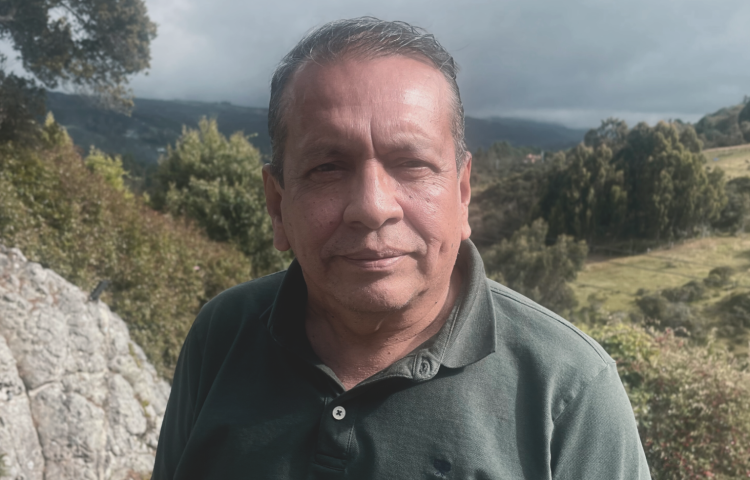
The attempted murder of a veteran journalist stirs fear, defiance in Colombia
Wanted Colombian rebel leader Aníbal Hernández Garavito was irate when he called into the local Es el Colmo (“It’s the last straw”) radio program at 5:48 a.m. on March 14, 2025. His voice raised, Hernández slammed the station’s critical coverage of his guerrilla group, but show host Gustavo Chicangana Álvarez refused to be bullied. Hernández, who had a $13,000 bounty on…
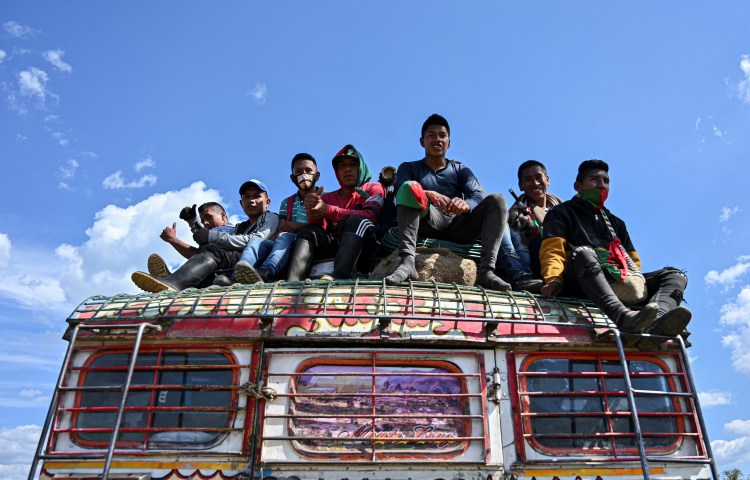
Colombia’s Indigenous ‘communicators’ face special challenges reporting for their communities
Mabel Quinto Salas is a reporter for Radio Pa’yumat, a station in the Northern Cauca region of Colombia. But she doesn’t identify as a journalist. Instead, she calls herself a “community communicator,” a category that is common among Colombia’s Indigenous communities. “Communication is seen as a tool for visibility, for denunciation of human rights violations, but also for…

A press freedom crisis unfolds in Latin America
As the number of journalists imprisoned globally for their work climbs to record highs, cases of those behind bars in Latin America remained relatively low. A total of six – three in Cuba, two in Nicaragua and one in Brazil – were in custody for their work as of December 1, according to the Committee…
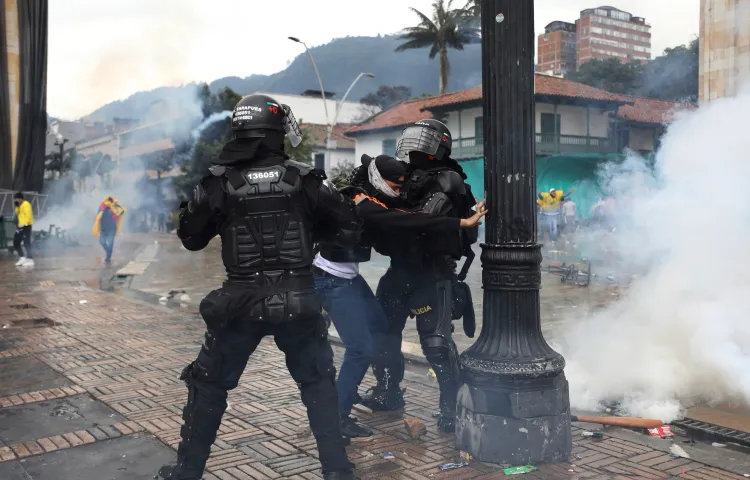
CPJ, partners call on Colombian authorities to address press freedom violations in protest response
The Committee to Protect Journalists, Reporters Without Borders (RSF), and IFEX-ALC–which includes 24 member organizations across Latin America–yesterday sent a letter to Colombian President Iván Duque and three other high-ranking Colombian officials urging them to investigate press freedom violations committed by state security forces responding to protests and guarantee Colombians’ rights to access information and…
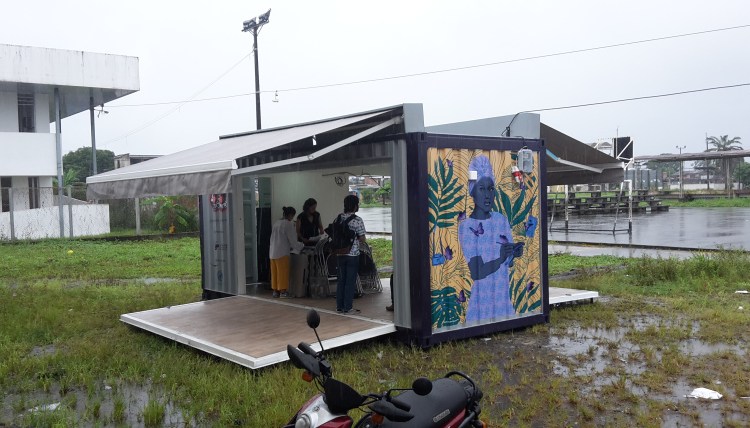
In Colombia, a shipping container on wheels brings a roving reporting workshop to news deserts
Can the key to ending news blackouts in isolated areas of Colombia come from inside a shipping container? The Bogotá-based Foundation for Press Freedom (FLIP) thinks so. In an experiment to turn community activists into reporters in regions that lack local news outlets, FLIP has converted a shipping container into a roving journalism classroom. For…
CPJ joins letter calling on Colombia to strengthen protections for journalists
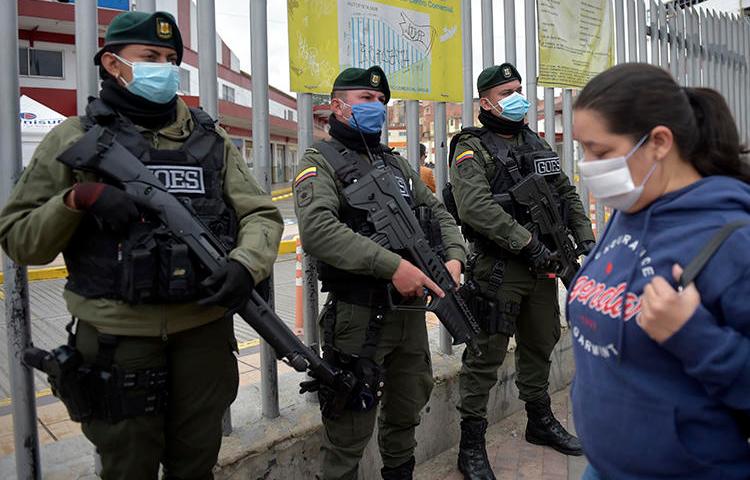
The Committee to Protect Journalists on May 4 joined more than 100 civil society organizations in an open letter calling on Colombia’s National Protection Unit to adopt measures to ensure the safety of journalists and other human rights defenders under increased threat due to the COVID-19 pandemic.
CPJ joins statement of concern over safety of Colombian journalist Daniel Coronell
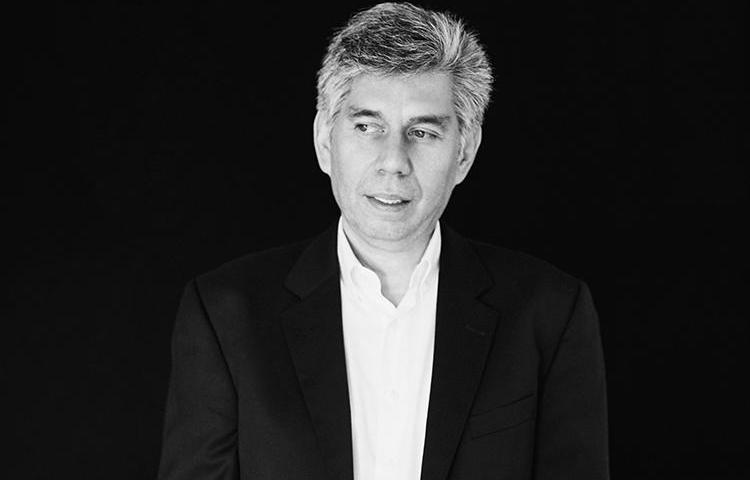
The Committee to Protect Journalists joined the Fundación para la Libertad de Prensa (FLIP), a Colombian press freedom organization, in issuing a statement on October 4 expressing concern for the safety of journalist Daniel Coronell.
Killing of radio journalist highlights dangers for local reporters in Colombia’s border region
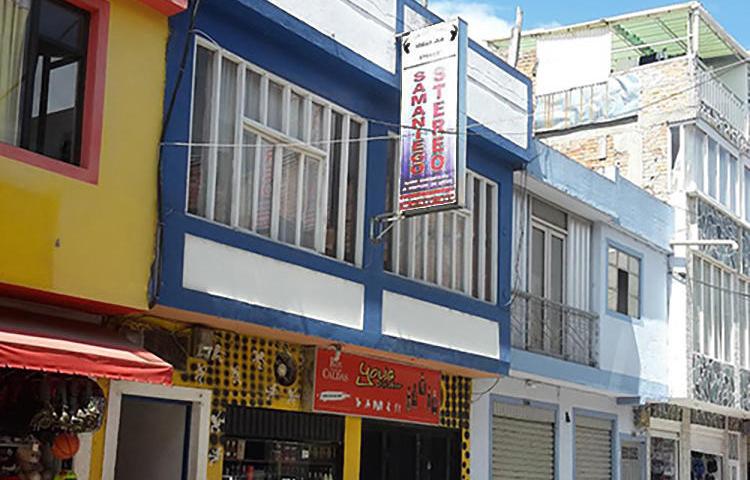
The otherwise Spartan studio of Samaniego Stereo is adorned by a white banner emblazoned with the image of Libardo Montenegro, a veteran reporter for the community radio station in southern Colombia who was shot dead on June 11. Under his photo are the words: “You will live in our hearts forever.”
Uribe lawsuit part of ‘systematic campaign to silence me,’ Colombian reporter Coronell says
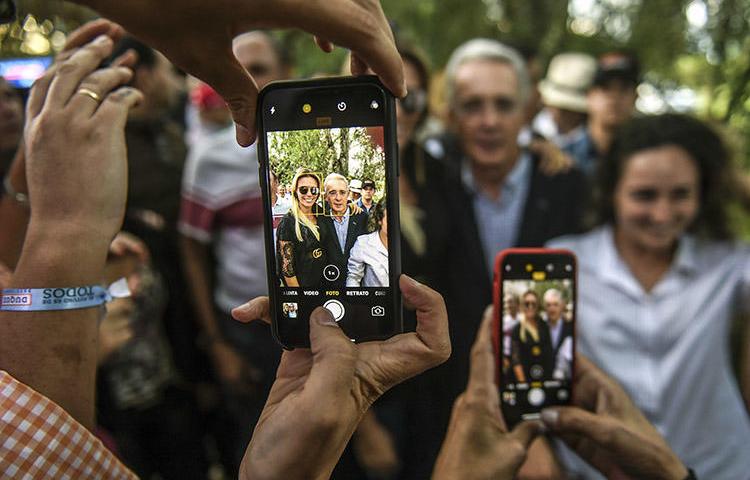
A civil defamation lawsuit filed in a U.S. court by former Colombian President Álvaro Uribe Vélez against journalist Daniel Coronell is the latest broadside in a long and bitter dispute pitting one of Colombia’s most powerful politicians against an investigative reporter.
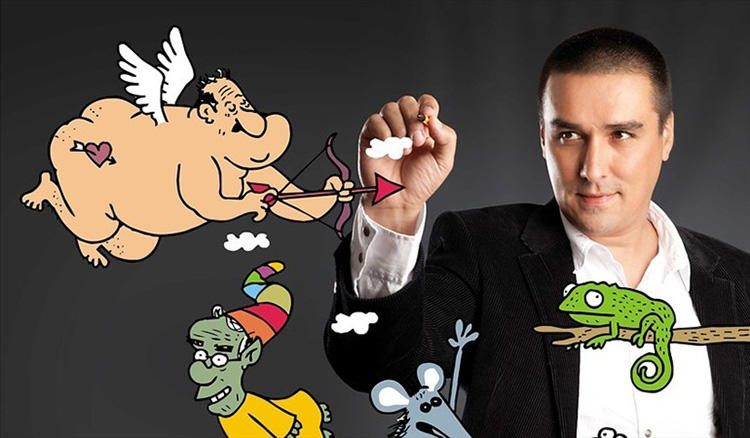
Death threat drives Colombian cartoonist Matador offline
During his 15-year career satirizing public figures, Colombia’s best-known editorial cartoonist has made numerous enemies. In his drawings for the Bogotá daily El Tiempo, Julio César González, better known by his pen name, Matador, targets politicians of all stripes.