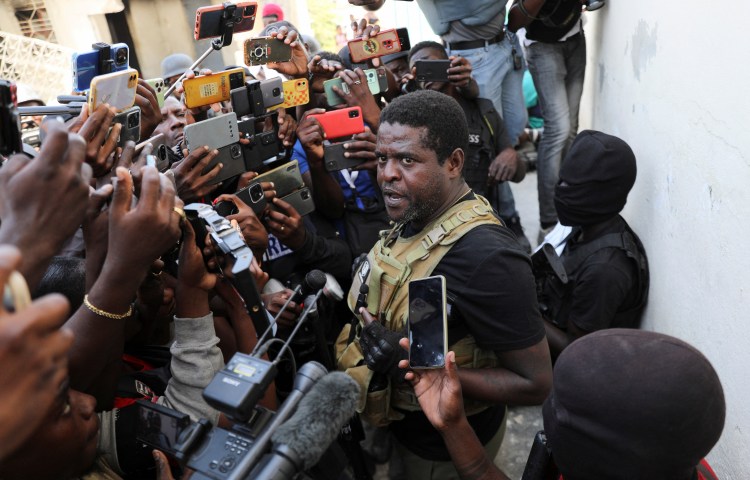
‘Disguised dictatorship’: A fight for government transparency amid Haiti’s insecurity
Read this story en français in collaboration with AyiboPost. Violent attacks and threats waged by a coalition of militarized gangs are among the many risks Haitian journalists face to report the news amid intensifying insecurity in the country’s capital city, Port-au-Prince. Yet as a rotating cast of transitional leaders hope to restore order across the Caribbean nation,…

VPNs, training, and mental health workshops: How CPJ helped journalist safety in 2024
Haitian journalist Jean Marc Jean was covering an anti-government protest in Port-au-Prince in February 2024 when he was struck in the face by a gas canister fired by police into the crowd. One of at least five journalists injured while covering civil unrest in the country that month, Jean arrived at the hospital with a…
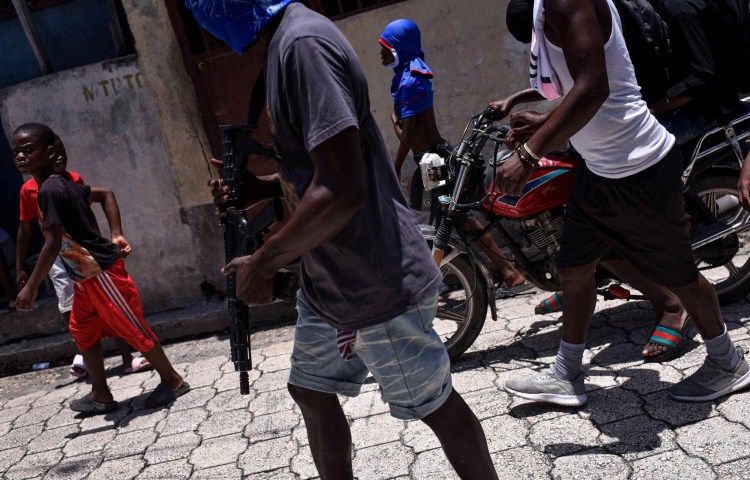
Haitian press face ‘existential crisis’ with no end to gang violence
Le Nouvelliste, Haiti’s oldest independent daily newspaper, has been around for 126 years, and the outlet’s owners are proud to have maintained its operations through the country’s intensifying challenges — from foreign occupation and devastating earthquakes to coups. But now Le Nouvelliste’s survival — and that of more independent media outlets in the country —…
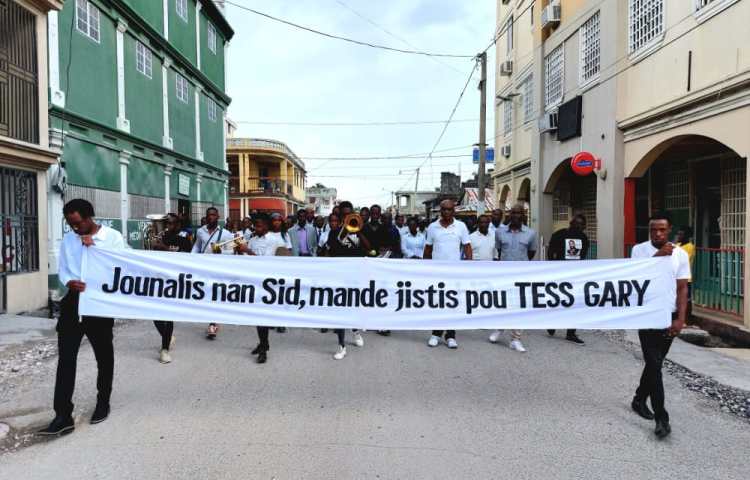
‘Powerful enemies’: Did a prosecutor order the murder of Haitian journalist Garry Tesse?
Haitian journalist Garry Tesse was on his way to work at a local radio station in the southern city of Les Cayes when he disappeared shortly after exiting a taxi. His naked and disfigured corpse was found six days later face down on the seashore close to downtown. One of his eyes was gouged out,…
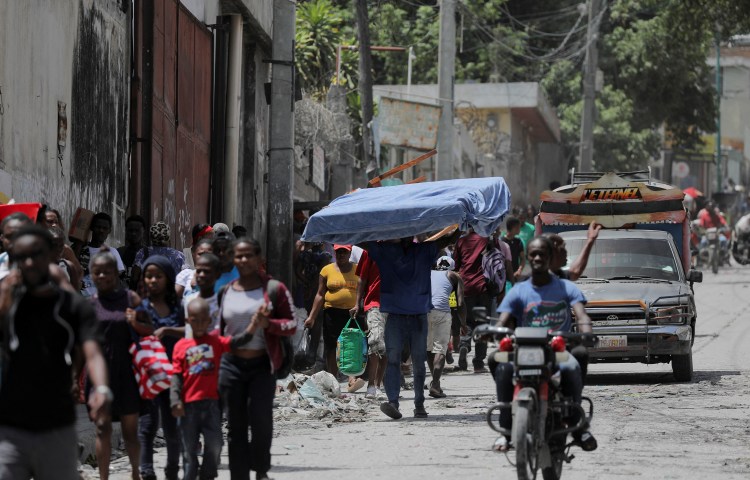
In Haiti, murders of journalists go unpunished amid instability and gang violence
Dumesky Kersaint never flinched when it came to investigating violence in his gang-controlled suburb of Haiti’s capital, Port-au-Prince. On the morning of April 16, the 31-year-old radio reporter left before dawn to cover a previous night’s shooting near his home in Carrefour-Feuilles. He never came back. Several hours after setting out, Kersaint’s body was found…
Faces of impunity across the world
CPJ’s 2023 Global Impunity Index lists the top 12 countries where the murderers of journalists go free. But impunity knows no borders. The mosaic below shows the faces of slain journalists around the world. Beneath each journalist’s photo is the location of their death. Click the images for more details about these unsolved cases. (Photo grid by Geoff McGhee)

A press freedom crisis unfolds in Latin America
As the number of journalists imprisoned globally for their work climbs to record highs, cases of those behind bars in Latin America remained relatively low. A total of six – three in Cuba, two in Nicaragua and one in Brazil – were in custody for their work as of December 1, according to the Committee…


Press freedom on OGP agenda as authoritarianism rises
There was poignancy to the Paris summit of the Open Government Partnership, as leaders from government and civil society took the stage to defend a political ideology under siege: liberal democracy. French President François Hollande, who amid weak public support announced he will not seek re-election in 2017, called democracy “so fragile and so precious.”…
Duvalier’s death must not mean end of proceedings against dictatorship
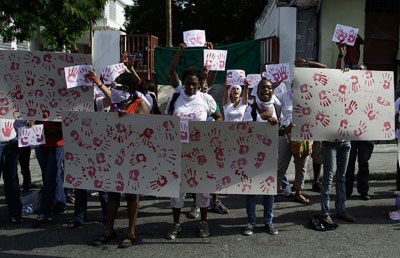
The sudden death on October 4 of former dictator Jean-Claude Duvalier and the initial information that he would be honored with a state funeral stunned the victims who had filed suit against Duvalier for massive violations of human rights during his regime. It also created an unexpected ripple effect in the press and the social…