USA
2012
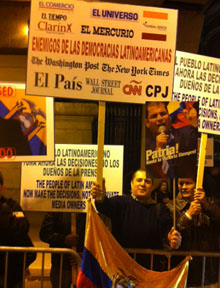
Correa supporters protest as Cabot winners celebrated
The Maria Moors Cabot Prizes, administered by Columbia University Graduate School of Journalism in recognition of journalistic contributions to Inter-American understanding, are the oldest international prizes in journalism. But Josh Friedman, director of the prizes, said this year marked the first time he remembered arriving at the awards ceremony to be greeted by protesters screaming…
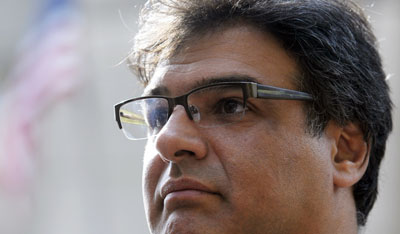
CIA case highlights need for digital security
Few cases better underscore the need for digital security among journalists. On Tuesday, ex-CIA officer John Kiriakou pleaded guilty to leaking the identity of another CIA operative to Matthew Cole, a journalist formerly with an ABC News investigative team. In a 2007 interview with ABC, Kiriakou became the first CIA official to confirm that waterboarding…
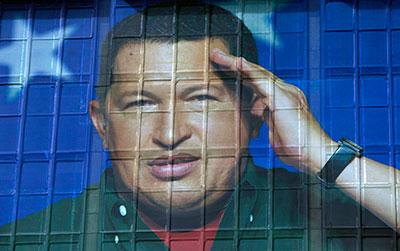
Latin American press faces violence, legal harassment
Violence and legal harassment: the two greatest obstacles to press freedom in Latin America today. That’s the message that CPJ Executive Director Joel Simon is delivering this morning in Washington, D.C., at a briefing hosted by Congressman Sam Farr. Farr, a California Democrat, hosts a monthly series looking at emerging trends in the Western Hemisphere.…
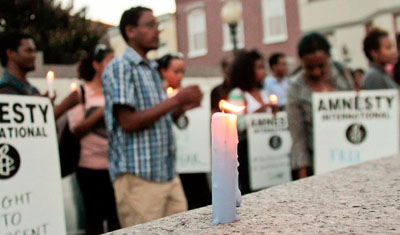
Vigil in DC honors Ethiopian blogger Eskinder Nega
Writer, journalist, blogger, and free speech activist Eskinder Nega, the 2012 recipient of PEN American Center’s Freedom to Write Award, lived in Washington, D.C., before returning to his native Ethiopia to start one of the country’s first-ever independent newspapers. On Friday, Eskinder was back in D.C.–not physically, but as the subject of a candlelight vigil…
Thorning’s chance to press China for media freedom
Denmark’s Prime Minister Helle Thorning-Schmidt is in China this week to meet with top leaders, according to international news reports. CPJ’s Advocacy and Communications Associate Magnus Ag and Senior Asia Program Researcher Madeline Earp co-wrote an op-ed calling on Thorning–as she is called in the Danish press–to raise the issue of press freedom. An edited…
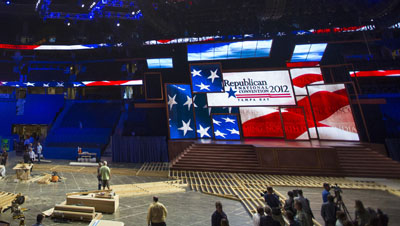
Resources, tips for journalists covering conventions
With up to 15,000 journalists expected in Tampa, Fla., for next week’s Republican National Convention, some reporters and photographers will undoubtedly encounter problems concerning access to news events and coverage of related protests. Several journalism organizations have compiled resource materials and tips for journalists headed to the GOP gathering, which starts August 27, and the…
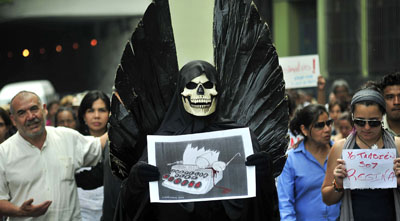
Mexico must back up federal measure to protect press
Using guns, grenades, explosives, and other deadly means, criminals have assaulted four Mexican newsrooms in less than six weeks. One of the country’s top journalists, Lydia Cacho, was the target of a chilling death threat last month. Journalists in Veracruz have gone missing or been killed this year. Press fatalities in Mexico remain among the…

As it backs Assange, Ecuador stifles expression at home
The Quito government’s decision to grant Julian Assange political asylum comes at a time when freedom of expression is under siege in Ecuador. President Rafael Correa’s press freedom record is among the very worst in the Americas, and providing asylum to the WikiLeaks founder won’t change the repressive conditions facing Ecuadoran journalists who want to…
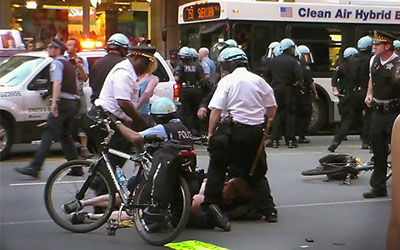
What to do if you are detained or arrested at conventions
As a follow-up to my previous “What to know about covering the conventions,” the National Press Photographers Association (NPPA) has been working with a number of organizations in order to provide support for journalists covering the U.S. national political conventions in Tampa, Fla., and Charlotte, N.C., this month and next. Some things for those journalists…