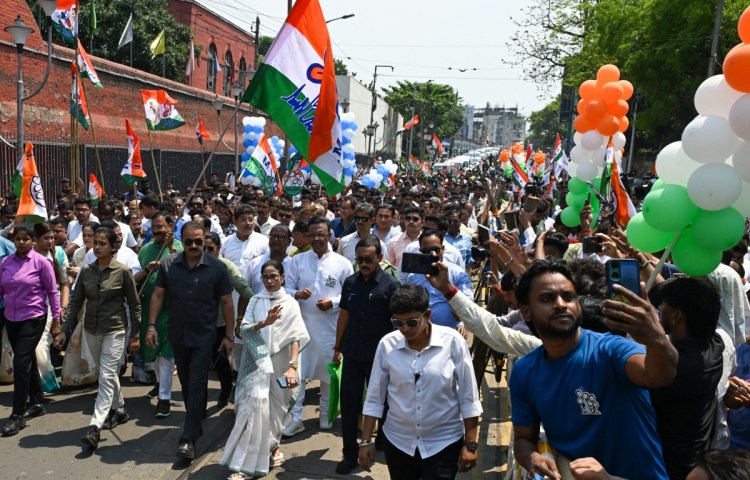
Surging violence haunts Indian journalists ahead of elections in politically polarized West Bengal
Indian journalists Soma Maity and Ranjit Mahato had been at the protest for a matter of minutes before they were attacked by a mob on January 16. Maity said she was grabbed and lifted by two men, who pulled her hair, restrained her legs, and tore at her clothes while others touched her body. She…
‘No safeguards’: Why India’s new tax law poses a ‘severe risk’ to journalists
A new tax law in India that grants authorities sweeping powers to access emails, cloud accounts, and encrypted devices during searches has generated widespread concern among journalists and digital rights advocates, while adding to a raft of tax legislation around the world that could be weaponized against the media. India’s parliament on August 12 passed…

Indian journalists’ 2024 election concerns: political violence, trolling, device hacking
As the scorching summer peaks this year, India’s political landscape is coming to a boil. From April 19 until June 1, the world’s biggest democracy will hold the world’s biggest election, which the Hindu nationalist Bharatiya Janata Party (BJP) of Prime Minister Narendra Modi, who has been in power since 2014, is expected to win….
Faces of impunity across the world
CPJ’s 2023 Global Impunity Index lists the top 12 countries where the murderers of journalists go free. But impunity knows no borders. The mosaic below shows the faces of slain journalists around the world. Beneath each journalist’s photo is the location of their death. Click the images for more details about these unsolved cases. (Photo grid by Geoff McGhee)
CPJ joins call for Indian government to withdraw latest amendment to Information Technology Rules
Ahead of World Press Freedom Day on Wednesday, May 3, the Committee to Protect Journalists joined 16 press freedom and human rights organizations in a Tuesday statement calling on the Indian government to review and withdraw the overbroad provisions of the Information Technology Rules, 2021, and to withdraw the latest amendment to the rules, announced…
Forensic tools open new front for using phone data to prosecute journalists
On April 13, police in Russia’s Khakassiya republic arrested Mikhail Afanasyev and seized his digital devices. Afanasyev, chief editor of the online magazine Novy Fokus, was detained based on an article about riot police in southern Siberia refusing to serve in Ukraine. He faces a possible 10-year prison sentence for spreading “false” information. It’s not surprising for…
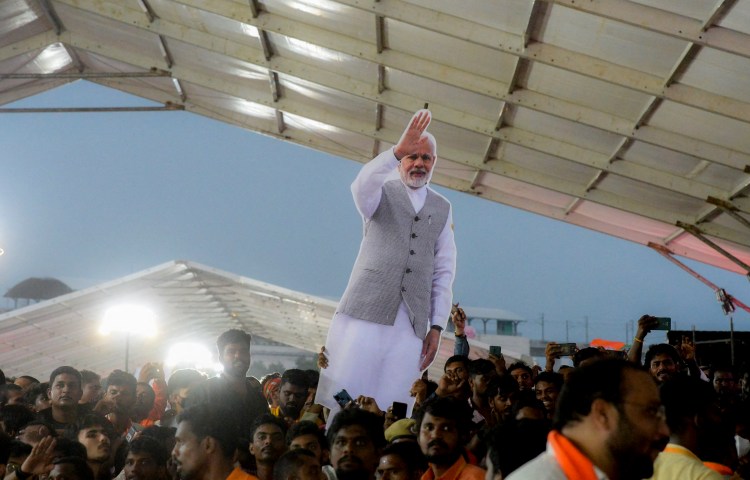
In India’s hardest-hit newsroom, surveilled reporters fear for their families and future journalists
M.K. Venu, a founding editor at India’s independent non-profit news site The Wire, says he has become used to having his phone tapped in the course of his career. But that didn’t diminish his shock last year when he learned that he, along with at least five others from The Wire, were among those listed…
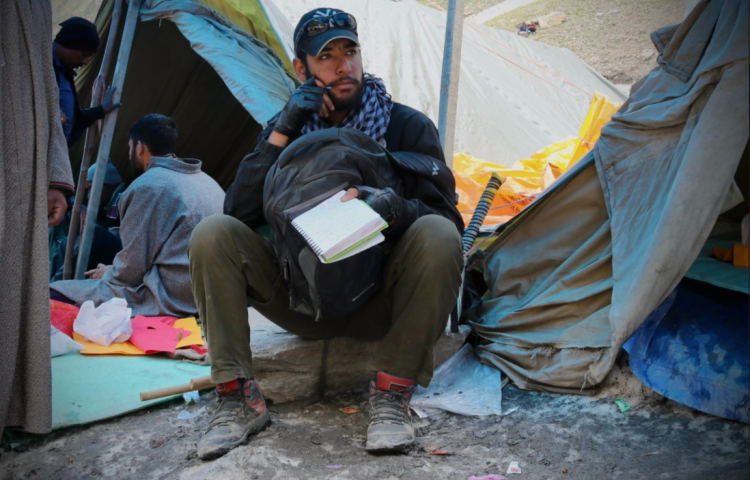
‘An open-air prison’: Kashmiri journalists on how travel bans undermine press freedom
When Indian immigration officials stopped freelance Kashmiri journalist Aakash Hassan at Delhi’s Indira Gandhi international airport on July 26, they held him for several hours and questioned him about his family, his professional background and his reason for traveling – and refused to allow him to board his Sri Lanka flight because, they said, he was listed…
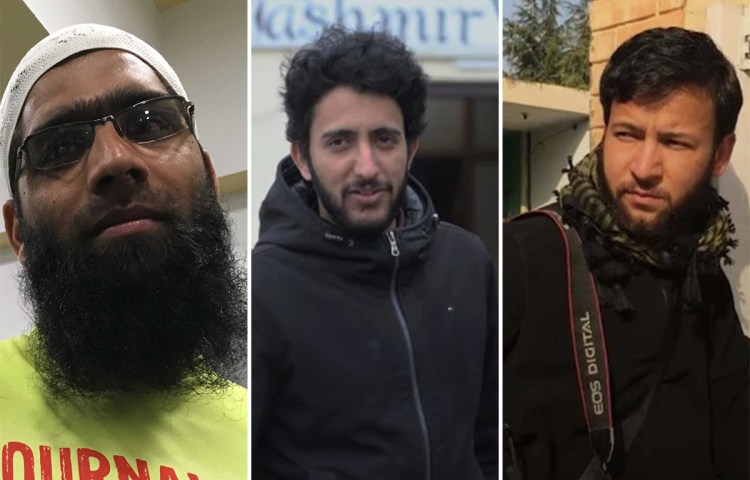
Kashmir media at a ‘breaking point’ amid rising number of journalist detentions
Sajad Gul’s mother had prepared his favorite dishes as she anxiously awaited his return home. The Kashmiri journalist, who had been granted bail the day before, on January 15, 2022, was to be released following his arrest earlier that month in a criminal conspiracy case, according to a journalist friend who spoke on condition of…
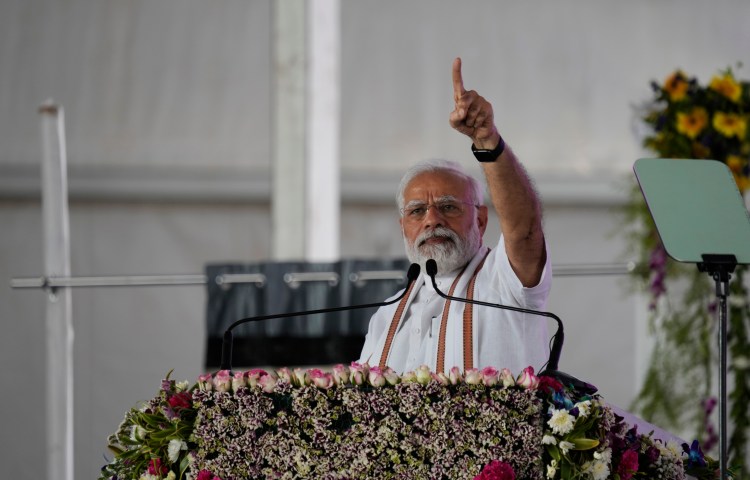
CPJ joins call for Indian government to end attacks on the press
On World Press Freedom Day, Tuesday, May 3, the Committee to Protect Journalists joined nine other press freedom and human rights organizations in a statement calling on the government of India, led by the Hindu right-wing Bharatiya Janata Party, to address the rapidly deteriorating state of press freedom throughout the country and in Indian-administered Jammu…