
‘A long fight’: Family of murdered Philippine journalist Gerry Ortega on their 13-year battle for justice
Philippine journalist Gerardo “Gerry” Ortega vowed he wouldn’t let the death threats stop him from using his radio show to expose corruption on the country’s idyllic tropical island of Palawan. “I am like a lone flame of a candle in a big dark room. I can’t light the whole room but I light a small…
Faces of impunity across the world
CPJ’s 2023 Global Impunity Index lists the top 12 countries where the murderers of journalists go free. But impunity knows no borders. The mosaic below shows the faces of slain journalists around the world. Beneath each journalist’s photo is the location of their death. Click the images for more details about these unsolved cases. (Photo grid by Geoff McGhee)
Cyberattackers used US company RayoByte in efforts to crash media sites
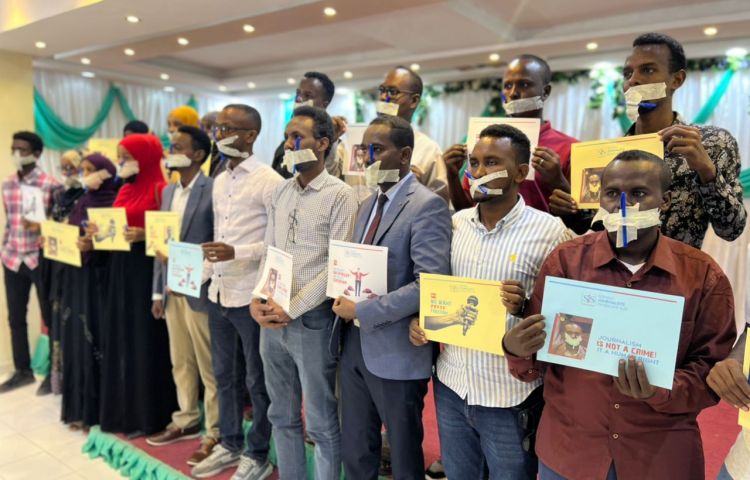
The cyberattack against the Somali Journalists Syndicate could not have come at a worse time. A distributed denial-of-service attack, known by its acronym DDoS, flooded the local press freedom group’s website with traffic in early August and knocked it offline. Days later, authorities arrested SJS staff member and Kaab TV editor Mohamed Ibrahim Osman Bulbul…
In Marcos Jr.’s Philippines, milder tone belies harsh media reality
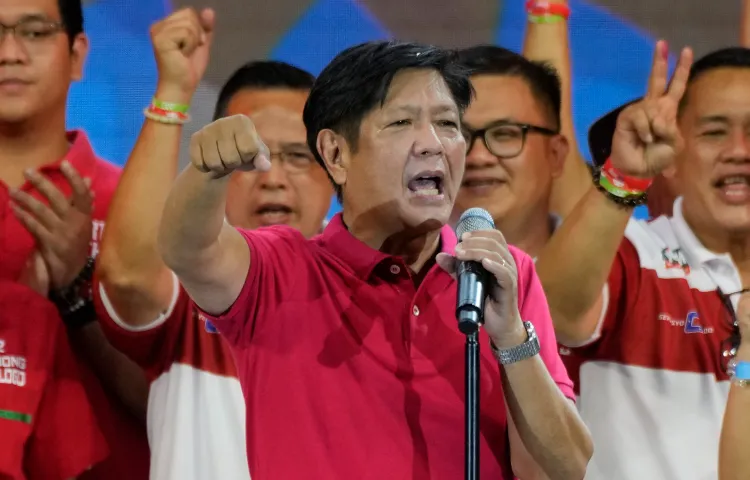
At a waterfront courthouse in Tacloban City, a long-time hotbed of communist insurgency in the Philippines’ Eastern Visayas island region, heavily armed guards were escorting jailed journalist Frenchie Mae Cumpio to trial. The picturesque setting belied the harsh reality of the April 17 hearing. Cumpio could be put behind bars for life if found guilty…
‘Red-tagging’ of journalists looms over Philippine elections
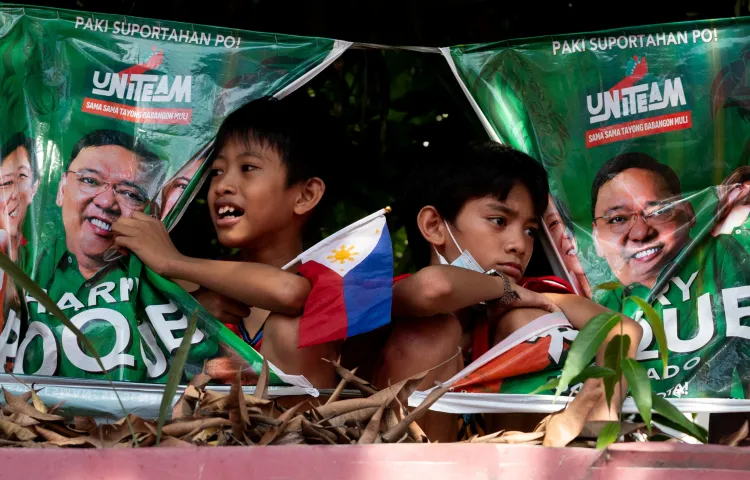
As Philippine presidential candidates wind up their campaigns before the May 9 election, journalists in the country are demanding that whoever succeeds President Rodrigo Duterte put an end to “red tagging” – the labeling of individuals as rebels or supporters of the communist insurgency – that helped put their colleague Frenchiemae Cumpio behind bars. Cumpio, the 23-year-old executive director…
Why the UN’s push for a cybercrime treaty could imperil journalists simply for using the internet
Cybercrime is on the global agenda as a United Nations committee appointed to develop a treaty on the topic plans for its first meeting amid pandemic-related delays. The process is slated to take at least two years, but experts warn that such a treaty – initially proposed by Russia – could hand new tools to…
Philippines makes premature claim to end of impunity in journalist murders
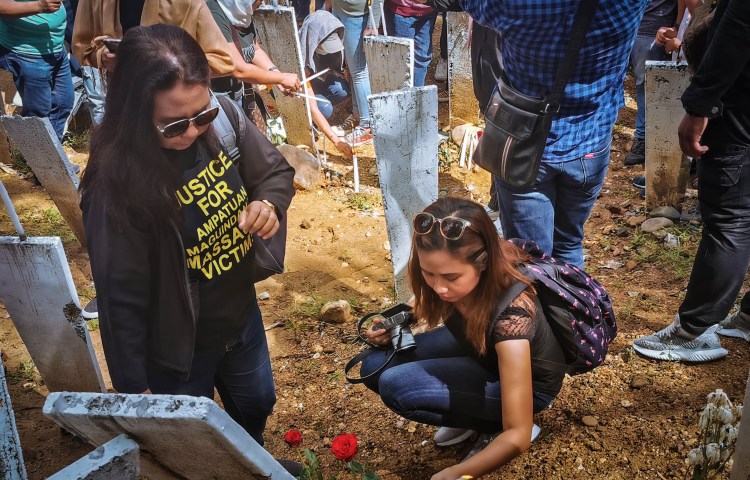
When the United Nations Educational, Scientific and Cultural classified the 2009 Maguindanao massacre — the deadliest attack on the press ever recorded by CPJ — as “resolved,” Philippine authorities were quick to echo and tout this designation. Too quick, as it turned out. UNESCO’s then-assistant director-general for communication and information, Moez Chackchouk, made the official…
ABS-CBN head of news describes losses to journalists, Philippine public amid station closure
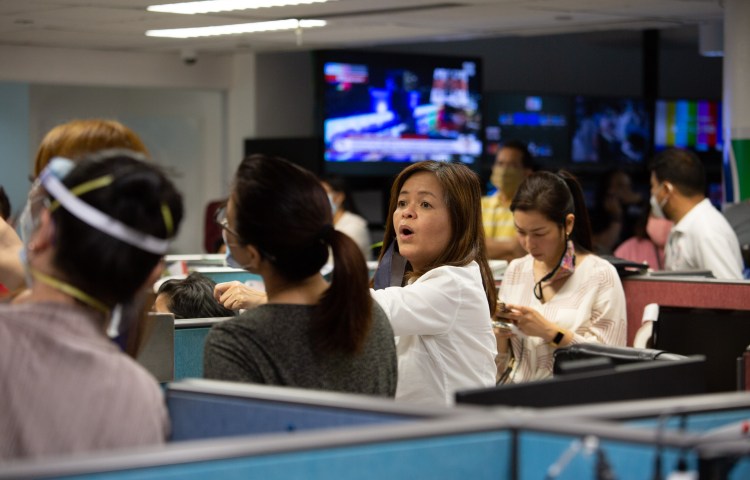
Regina Reyes says she had a “journalist’s premonition” that something bad would happen the day before Philippine authorities ordered her ABS-CBN news station to cease and desist operations on May 5. That evening, ABS-CBN, the nation’s largest news organization, said goodbye to its viewing audience and signed off the air. “Up to now, that screen…
Ten years for justice in Maguindanao case is too long: We can do better
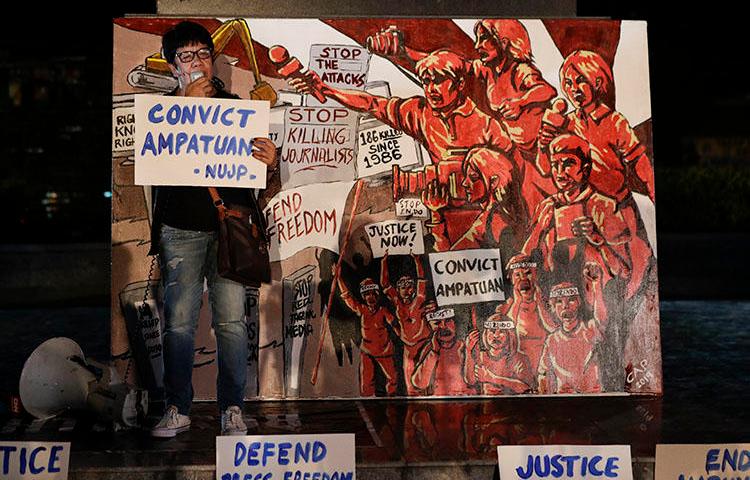
Never Forget. This became the rallying cry among journalists, freedom of expression activists and human rights defenders as they demanded justice following the massacre on November 23, 2009 of 58 people in Maguindanao. The attack, in which 32 journalists and media workers were killed, was the single deadliest event for the press that CPJ has…

Rappler-CIA plot claim is attempt to cut funding, Philippine journalists say
First were the politically motivated state charges that funding provided to the news website Rappler by a U.S. philanthropic foundation represented a violation of constitutional provisions barring foreign control or ownership of Philippine media.