Belarus opens criminal cases against more than 60 journalists in exile
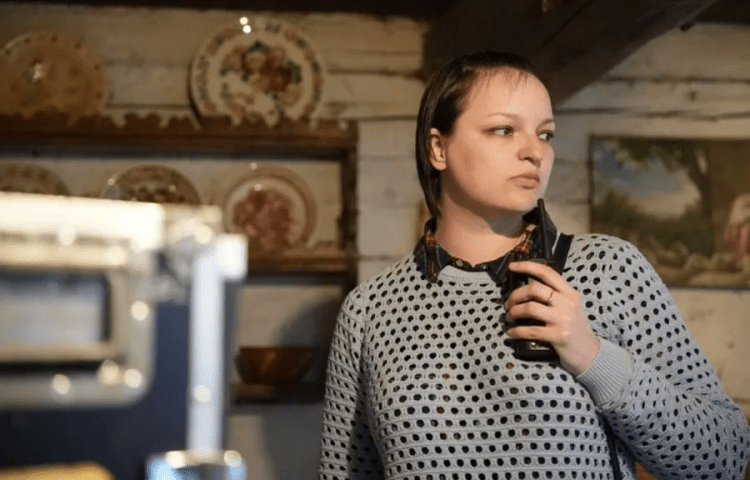
Documentary filmmaker Maryia Bulavinskaya’s love of history led her to buy a traditional wood home in the Belarusian village of Rogi-Iletsky in 2019. Her plans to renovate and eventually live in the house were put on hold in 2020 when she fled the country out of fear of being detained for her coverage of anti-government…

VPNs, training, and mental health workshops: How CPJ helped journalist safety in 2024
Haitian journalist Jean Marc Jean was covering an anti-government protest in Port-au-Prince in February 2024 when he was struck in the face by a gas canister fired by police into the crowd. One of at least five journalists injured while covering civil unrest in the country that month, Jean arrived at the hospital with a…

Tipping the scales: Journalists’ lawyers face retaliation around the globe
The smears began the day Christian Ulate began representing jailed Guatemalan journalist José Rubén Zamora: tweets accusing the lawyer of being a leftist or questioning his legal credentials. He began to fear he was being surveilled. Ulate had taken over the case in August 2022 from two other lawyers, Romeo Montoya García and Mario Castañeda,…
CPJ joins calls to establish independent investigative mechanism for accountability in human rights violations in Belarus
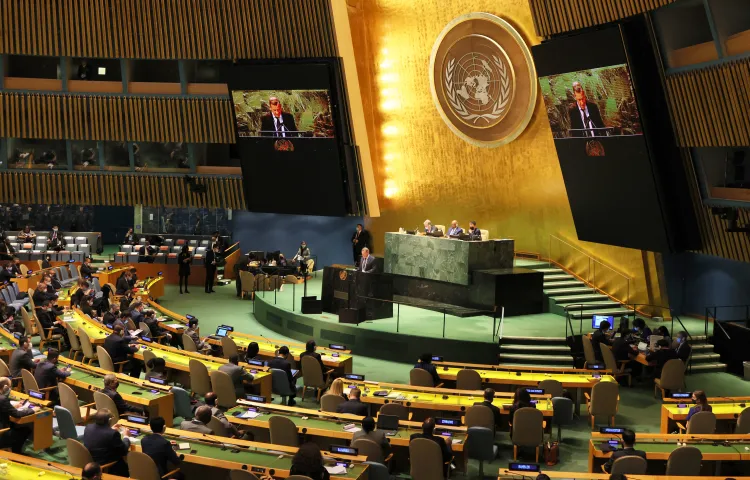
CPJ joined 27 human rights and press freedom organizations in a letter on Monday, February 13, 2023, calling for the U.N. Human Rights Council to establish an independent investigative mechanism in Belarus. The letter, led by the Oslo-based Human Rights House Foundation, asked the council to create such a mechanism at its next session to…
Forensic tools open new front for using phone data to prosecute journalists
On April 13, police in Russia’s Khakassiya republic arrested Mikhail Afanasyev and seized his digital devices. Afanasyev, chief editor of the online magazine Novy Fokus, was detained based on an article about riot police in southern Siberia refusing to serve in Ukraine. He faces a possible 10-year prison sentence for spreading “false” information. It’s not surprising for…
In Belarus, Lukashenko’s vindictiveness reaches new heights
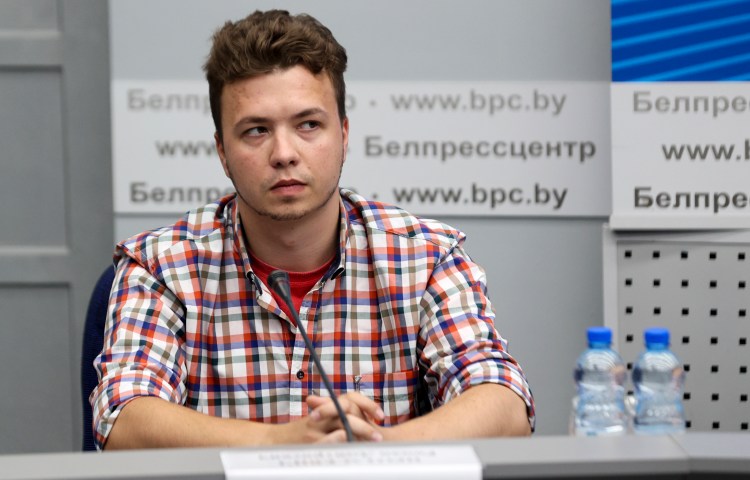
On May 23, Belarusian authorities caused a global outcry when they diverted a Lithuania-bound commercial flight to the Belarus capital of Minsk so they could arrest two passengers on the plane: self-exiled journalist Raman Pratasevich and his girlfriend Sofia Sapega. This shocking tactic was seen as emblematic of just how far President Aleksandr Lukashenko is…
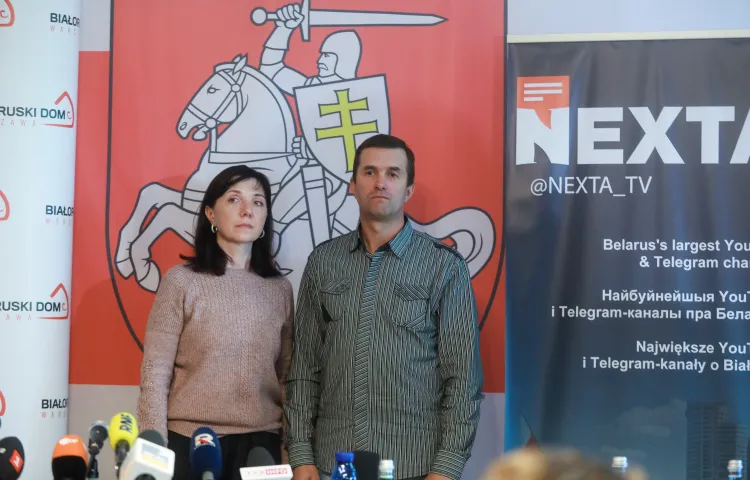
Belarusian journalist Raman Pratasevich’s parents on their efforts to find and free their son
“It felt like a horror movie.” That is how Dmitry Pratasevich describes learning that his son, Raman Pratasevich, was arrested after Belarusian authorities diverted Raman’s commercial flight from Greece to Lithuania to land in Minsk on May 23. Raman was the co-founder of NEXTA and the chief editor of Belarus of the Brain, two Telegram channels that rankled authorities…
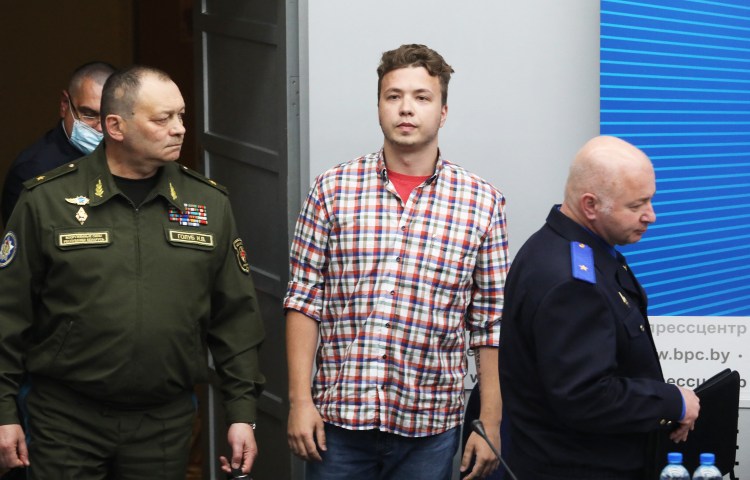
Why authoritarian governments force journalists like Belarus’s Raman Pratasevich into public confessions
Forced confessions—sometimes tied to public humiliation—have a long and inglorious history, and were a fundamental component of ancient judicial systems in the East and West. Obtaining a confession, by any means, for centuries was often a key part of achieving a conviction and meting out punishment. At the Salem witch trials, the accused could escape…
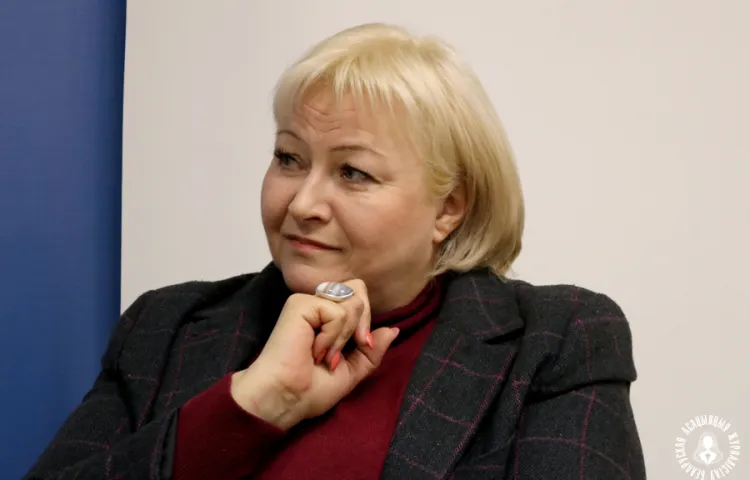
In Belarus, Pratasevich’s arrest highlights risks facing journalists covering protests
The May 23 arrest of Belarusian journalist and blogger Raman Pratasevich off a diverted commercial passenger flight was a shattering blow to press freedom in Belarus. Pratasevich is the co-founder of NEXTA and chief editor of Belarus of the Brain, two Telegram channels that covered protests against President Aleksandr Lukashenko, a dangerous beat in the country where demonstrations are…
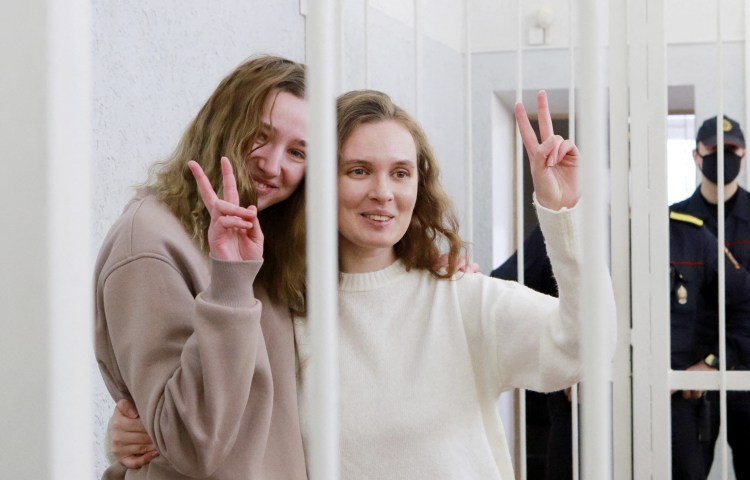
CPJ testifies on threats to press freedom in Belarus at Tom Lantos Human Rights Commission
Yesterday, at a hearing on Democracy and Human Rights in Belarus before the Tom Lantos Human Rights Commission, CPJ Europe and Central Asia Program Coordinator Gulnoza Said gave testimony on the threats to press freedom and safety of journalists in Belarus. Said spoke on the sharp increase in press freedom violations and journalists’ detentions since the…