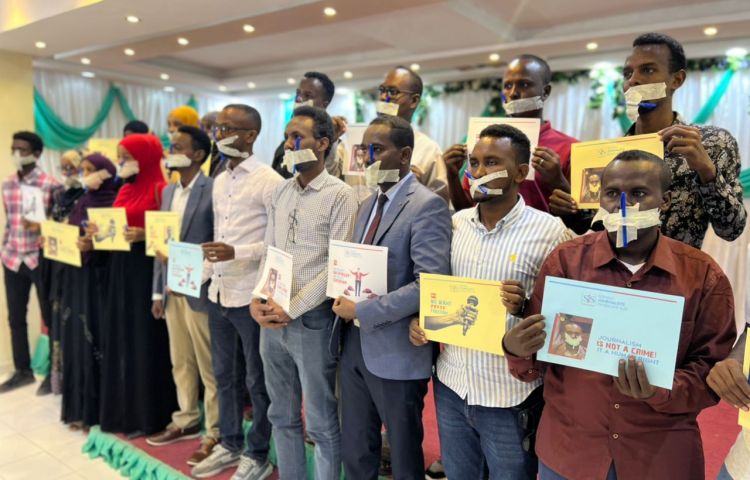
Cyberattackers used US company RayoByte in efforts to crash media sites
The cyberattack against the Somali Journalists Syndicate could not have come at a worse time. A distributed denial-of-service attack, known by its acronym DDoS, flooded the local press freedom group’s website with traffic in early August and knocked it offline. Days later, authorities arrested SJS staff member and Kaab TV editor Mohamed Ibrahim Osman Bulbul…
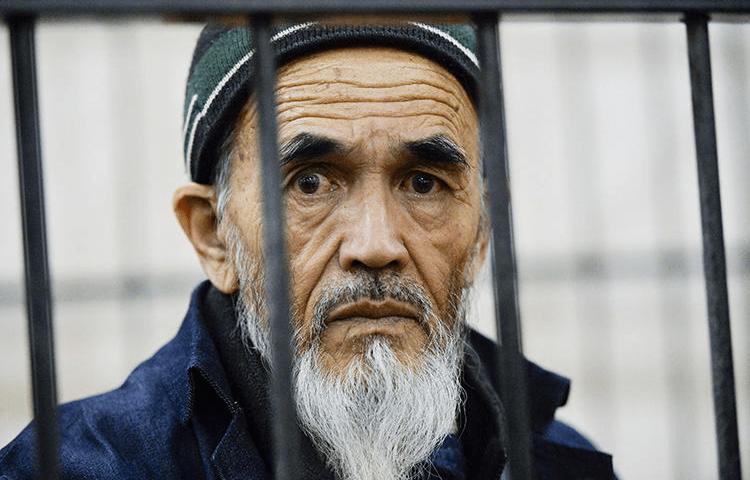
CPJ joins statement calling on Kyrgyz authorities to investigate death of journalist Azimjon Askarov
The Committee to Protect Journalists today joined four other human rights and free expression organizations in a joint statement calling on Kyrgyzstan authorities to conduct an independent investigation into the death in prison of journalist Azimjon Askarov. The statement notes that authorities have failed to thoroughly and credibly investigate the circumstances of Askarov’s July 25,…
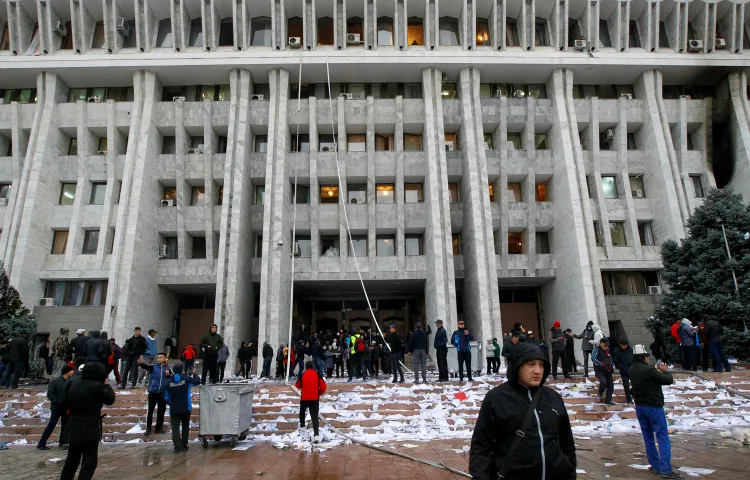
Kyrgyz journalists on the online ‘fake farms’ that threaten to kill them
“At first, they appeared on my Instagram, then they showed up on my Facebook and YouTube accounts,” Ali Toktakunov told CPJ in a phone interview. The investigative Kyrgyz journalist and founder of Ali Toktakunov’s Media Hub, a foundation for investigative journalism, says he is a frequent target of trolls or fake social media accounts that…
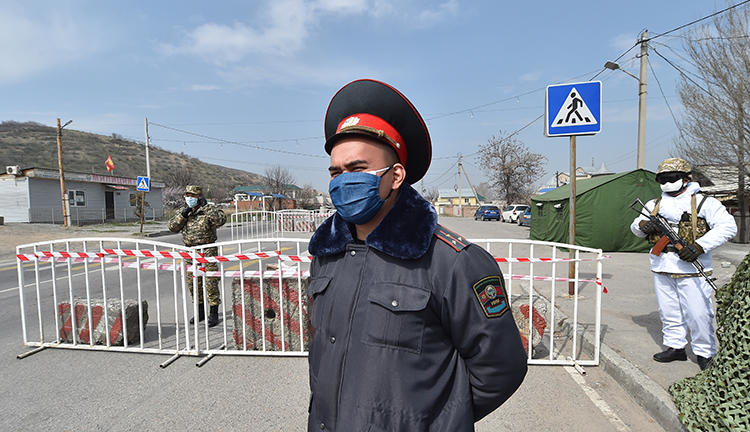
COVID-19 lockdowns pose challenges for imprisoned journalists observing Ramadan
This year, the Islamic month of Ramadan, which started on April 24 and will continue through May 23, is particularly challenging for Muslim journalists in jail to observe safely, their family members and friends told CPJ.
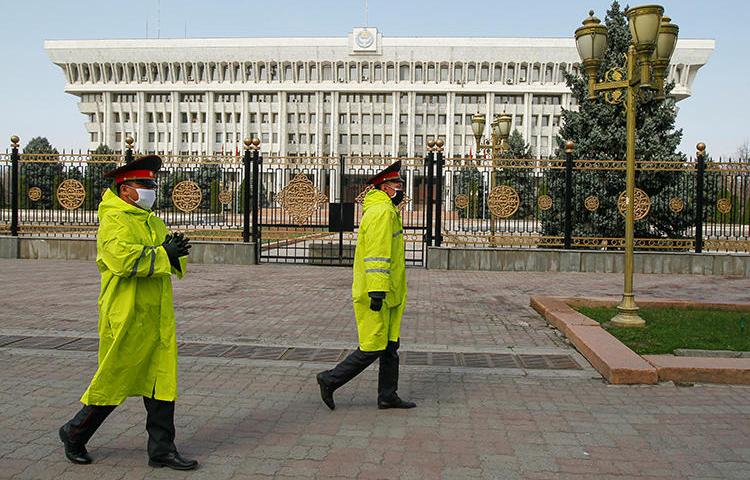
CPJ joins letter expressing concern about Kyrgyzstan media restrictions during pandemic
CPJ and 23 other members of IFEX, a global network of free expression organizations, sent a letter yesterday expressing concern over the press freedom implications of Kyrgyzstan’s COVID-19 state of emergency, which has been in place since March 22.
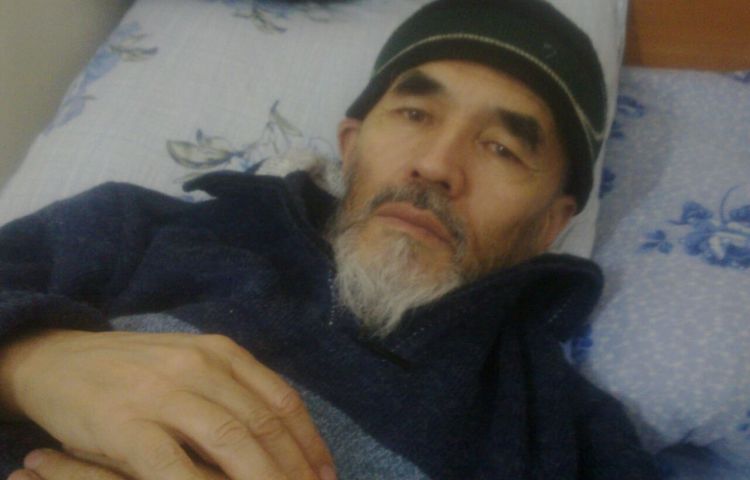
Kyrgyz president must release journalist Azimjon Askarov amid COVID-19 epidemic
CPJ today joined eight other human rights and press freedom organizations to call for the immediate release of journalist and human rights defender Azimjon Askarov, who has been serving a life sentence in retaliation for his reporting since June 2010.
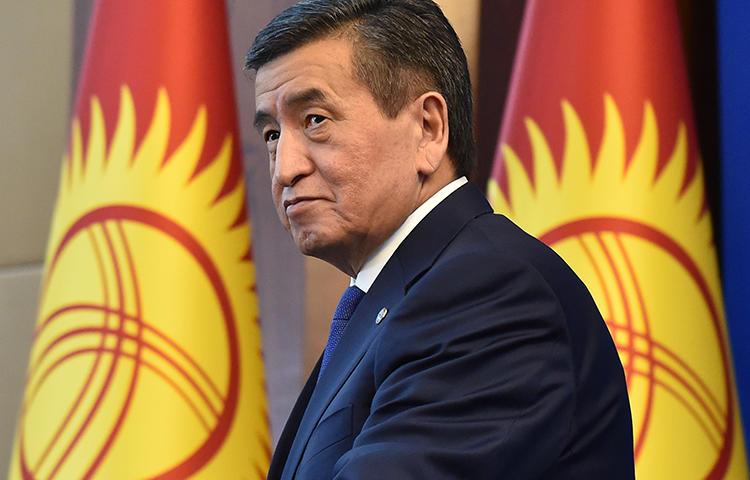
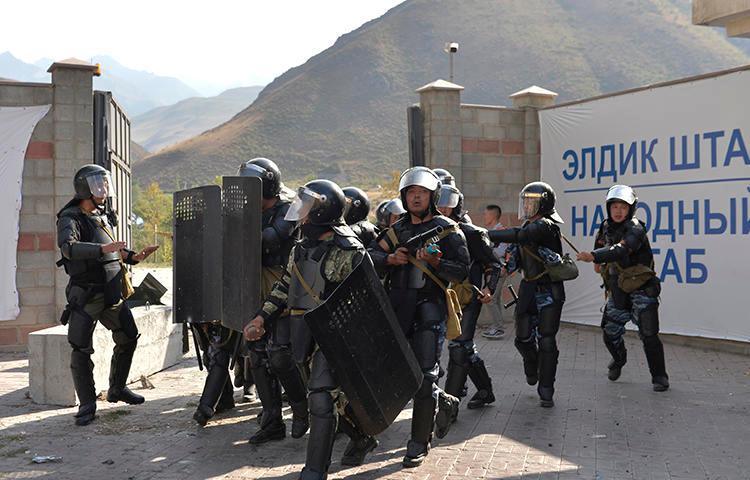
CPJ joins call for Kyrgyzstan to ensure safety of journalists covering corruption
CPJ and four other international organizations today sent a letter to Kyrgyzstan authorities demanding they stop harassing local journalists who have covered alleged official corruption, and urging authorities to investigate threats and attacks against journalists.
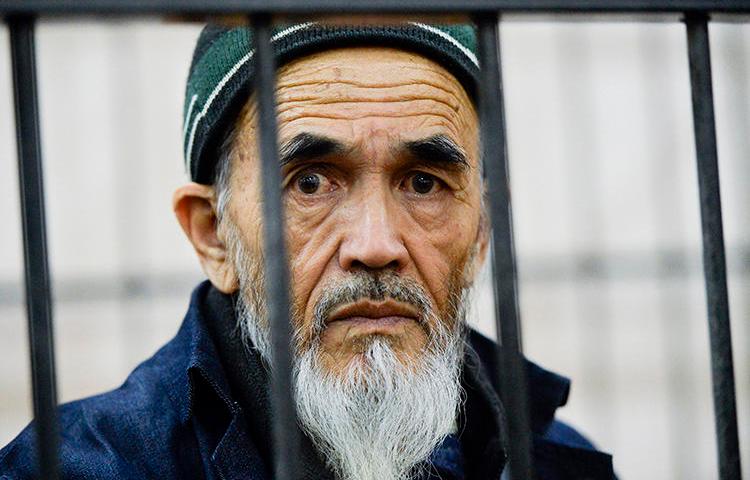
Harsh conditions for Askarov, the Kyrgyz journalist UN says should be freed
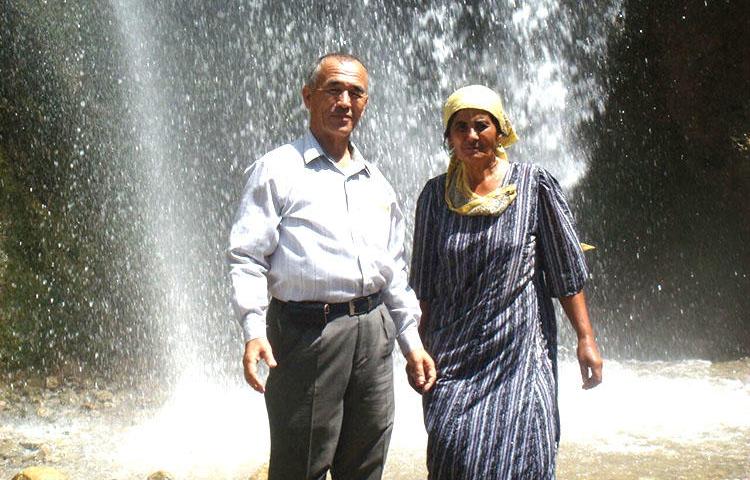
On a recent morning in Bazar-Korgon, southern Kyrgyzstan, Khadicha Askarova was giving hasty instructions to her daughter about what needed to be packed. They were about to set off: first for the capital Bishkek, some 600km from where they live, and then another 70km to a prison colony where her husband, Azimjon Askarov, was transferred…