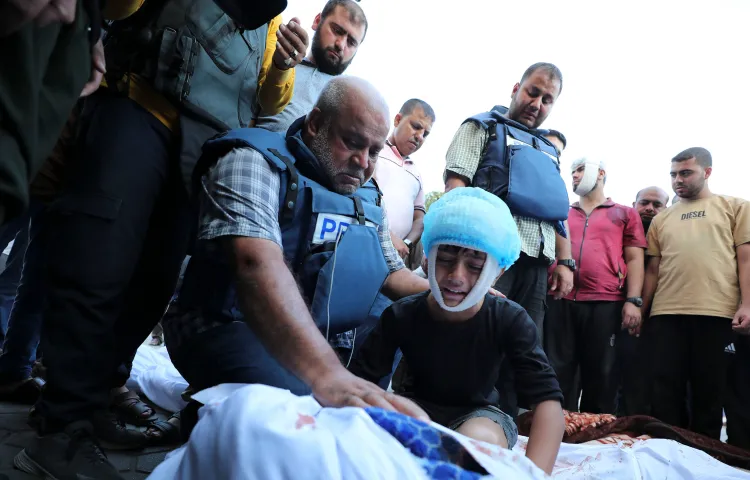
Attacks, arrests, threats, censorship: The high risks of reporting the Israel-Gaza war
Since the Israel-Gaza war began on October 7, journalists and media across the region have faced a hostile environment that has made reporting on the war exceptionally challenging. In addition to documenting the growing tally of journalists killed and injured, CPJ’s research has found multiple kinds of incidents of journalists being targeted while carrying out…
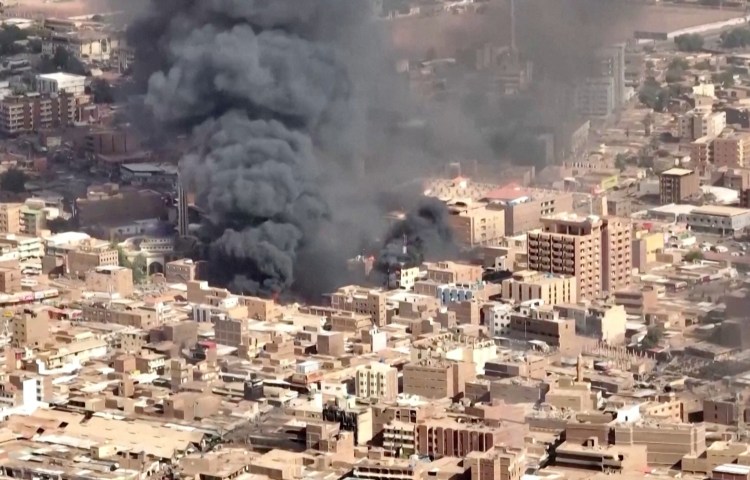
One year into Sudan’s civil war, its media faces grave threats
When fighting erupted in Sudan on April 15 of last year, local journalists quickly ran into difficulties reporting on the conflict roiling their country. As the Sudanese Armed Forces (SAF) and the Rapid Support Forces (RSF) – former allies who jointly seized power in a 2021 coup – engaged in street battles, journalists were assaulted,…
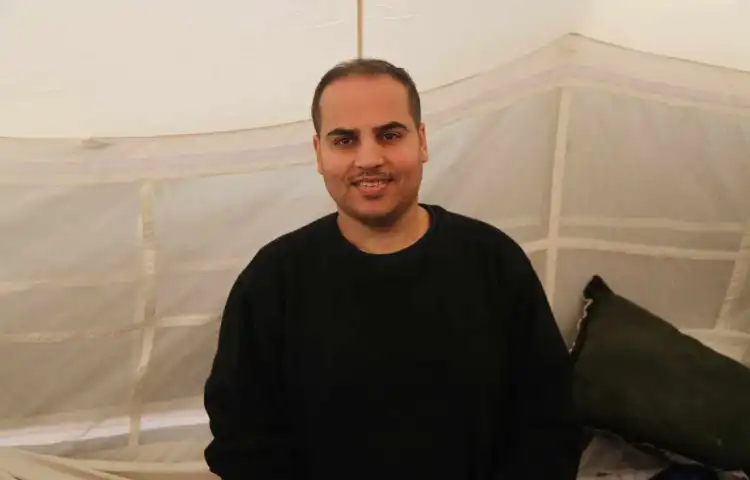
Gaza journalist Diaa Al-Kahlout describes 33 harrowing days in Israeli custody
Diaa Al-Kahlout, the veteran Gaza bureau chief for the Qatari-funded London-based newspaper Al-Araby Al-Jadeed, had been covering the Israel-Gaza war for two months when he became part of the news. On December 7, Al-Kahlout was detained along with members of his family by Israeli forces in a mass arrest in Beit Lahya in northern Gaza….
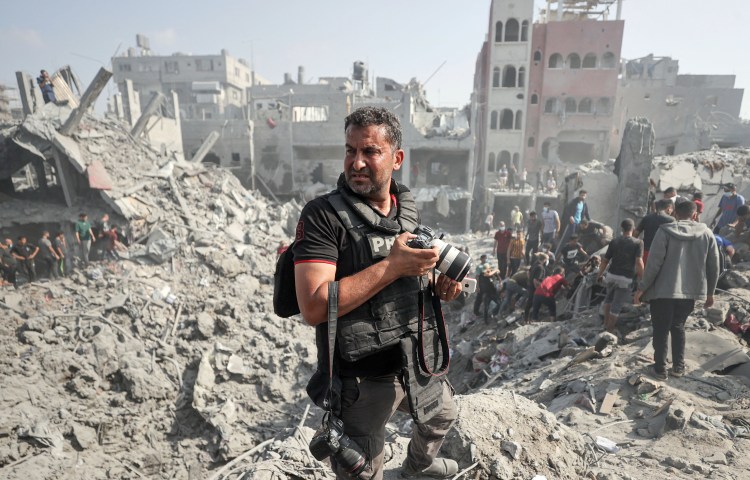
Gaza journalists struggle to report as they ‘expect to die daily’
New York-based Hoda Osman has spent the past six months helping Gaza journalists replace cameras, laptops, and phones lost or damaged in the Israel-Gaza war. More than 5,500 miles away, in the occupied West Bank city of Ramallah, Wafa’ Abdel Rahman coordinates humanitarian supplies and cash assistance for reporters under Israeli bombardment, while Rania Khayyat,…
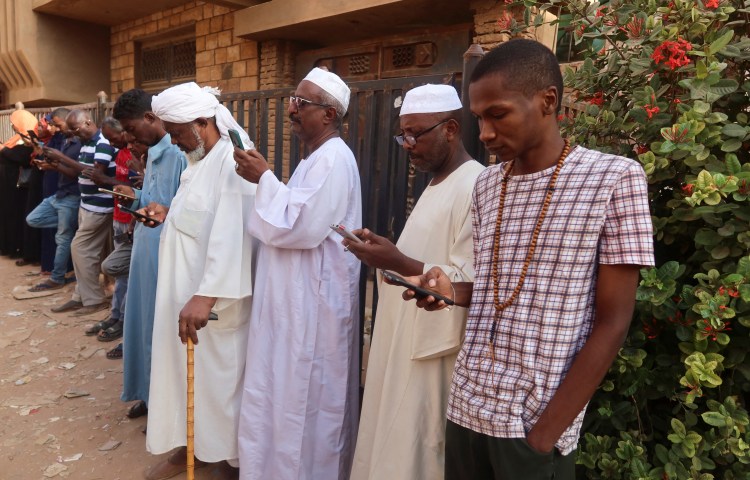
‘Back to the dark ages’: Editor Ataf Mohamed on Sudan’s wartime communications blackout
For the last six weeks, Sudan has been almost totally cut off from the world. Since early February, there has been an internet and telecommunications blackout in the country, where a war between the Sudanese army and the paramilitary Rapid Support Forces (RSF) has killed more than 13,000, displaced millions, and threatens to cause widespread…
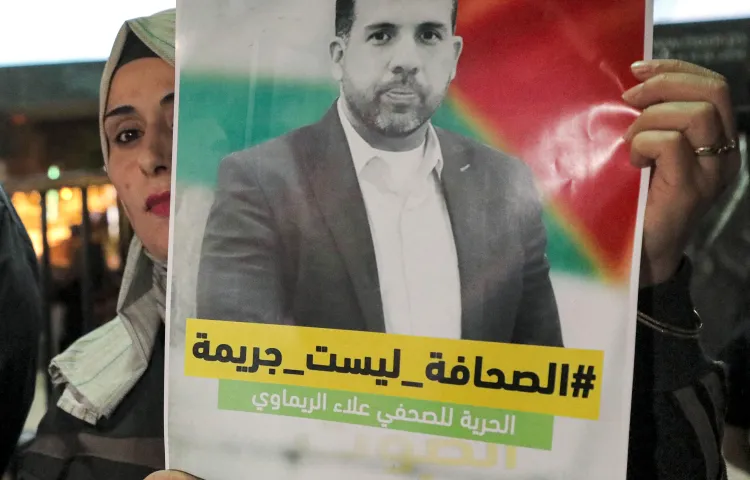
Palestinian journalists are being imprisoned by Israel in record numbers
In October, when the Israel-Gaza war began, Alaa al-Rimawi snapped into action, covering developments on J-Media, the West Bank-based news agency he directs, as well as on TikTok and Facebook. But his conflict coverage would be short-lived. Less than two weeks after the start of the war, Israel banned J-Media on security grounds and quickly…
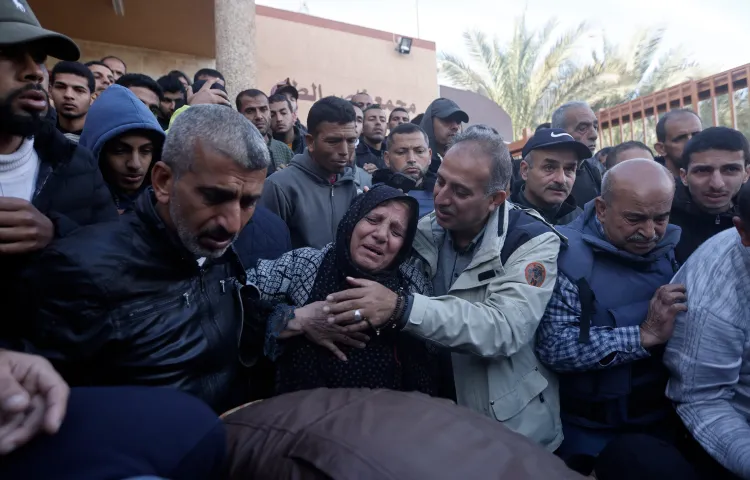
Israel-Gaza war takes record toll on journalists
Update: As of December 31, 2023, at least 77 journalists and media workers were killed; 70 of them Palestinian. More journalists have been killed in the first 10 weeks of the Israel-Gaza war than have ever been killed in a single country over an entire year, according to CPJ data. By December 20, 2023, at…
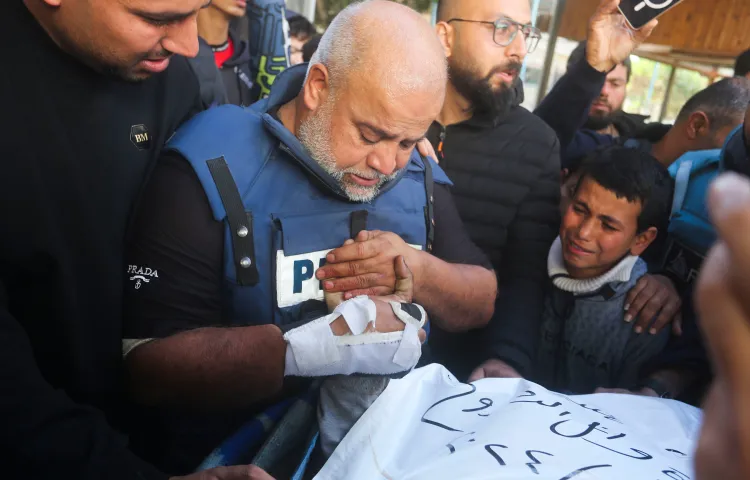
Photos: Israel-Gaza war takes unprecedented toll on journalists
The Israel-Gaza war has been devastating for civilians, including journalists covering the conflict. While a few conflicts have taken the lives of hundreds of journalists over a period of years, no other war has taken so many journalists’ lives in such a short time span, according to CPJ data that has been gathered since 1992. Here…
Faces of impunity across the world
CPJ’s 2023 Global Impunity Index lists the top 12 countries where the murderers of journalists go free. But impunity knows no borders. The mosaic below shows the faces of slain journalists around the world. Beneath each journalist’s photo is the location of their death. Click the images for more details about these unsolved cases. (Photo grid by Geoff McGhee)
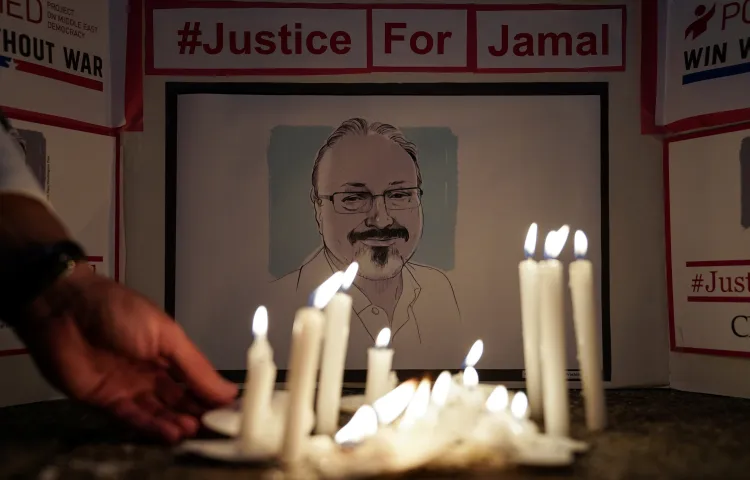
Mahoney: Biden’s Saudi policy stymies quest for Khashoggi justice
From pariah to potential partner. That’s how far Saudi Arabia has come for President Joe Biden in the five years since Riyadh sent a death squad to butcher journalist Jamal Khashoggi. The administration’s ongoing rehabilitation of the petrodollar kingdom and its de facto ruler Crown Prince Mohammed bin Salman, widely known as MBS, seems to…