
Tipping the scales: Journalists’ lawyers face retaliation around the globe
The smears began the day Christian Ulate began representing jailed Guatemalan journalist José Rubén Zamora: tweets accusing the lawyer of being a leftist or questioning his legal credentials. He began to fear he was being surveilled. Ulate had taken over the case in August 2022 from two other lawyers, Romeo Montoya García and Mario Castañeda,…
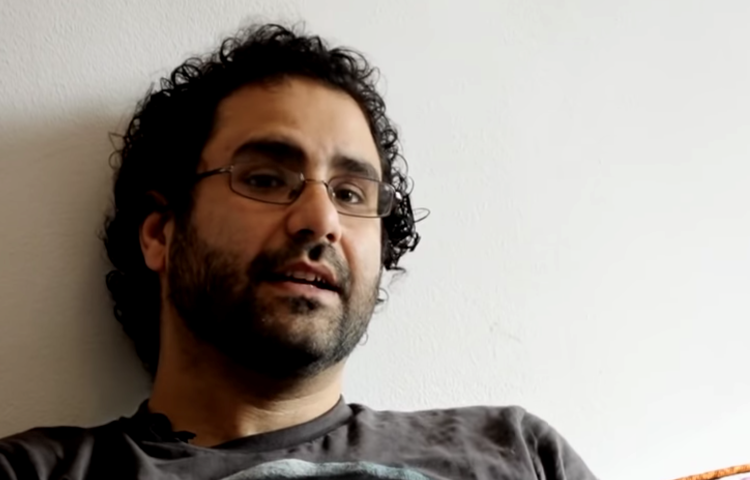
CPJ joins call for release of Egyptian journalist Alaa Abdelfattah as he escalates hunger strike
CPJ has joined more than 60 civil society organizations in a letter calling Egyptian authorities to immediately release British-Egyptian blogger and activist Alaa Abdelfattah after he announced that he will escalate his hunger strike in prison. Abdelfattah, imprisoned since 2019, began a hunger strike in April of no more than 100 calories per day, which resulted in the severe…
CPJ joins call for the release of Egyptian journalist Alaa Abdelfattah, lawyer Mohamed al-Baker
CPJ has joined 46 human rights organizations and individuals in calling for Egyptian authorities to immediately release Egyptian journalist and blogger Alaa Abdelfattah and his lawyer Mohamed al-Baker after three years of imprisonment. The September 29 letter also calls on British authorities to intervene to secure the release of Abdelfattah, who obtained U.K. citizenship while…
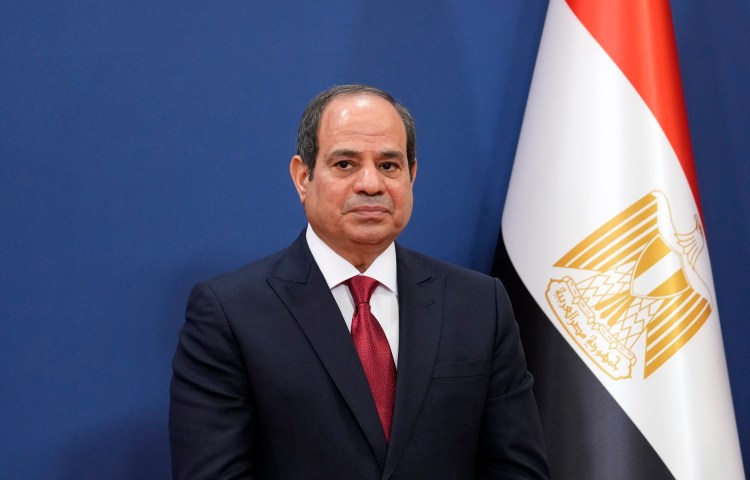
CPJ joins call for Biden administration to withhold $300 million in military aid to Egypt
The Committee to Protect Journalists joined 19 other civil society organizations on Monday, August 8, in an open letter to U.S. Secretary of State Antony J. Blinken and National Security Adviser Jake Sullivan, urging the Biden administration not to provide its full proposed military aid to Egypt due to the country’s treatment of journalists and…
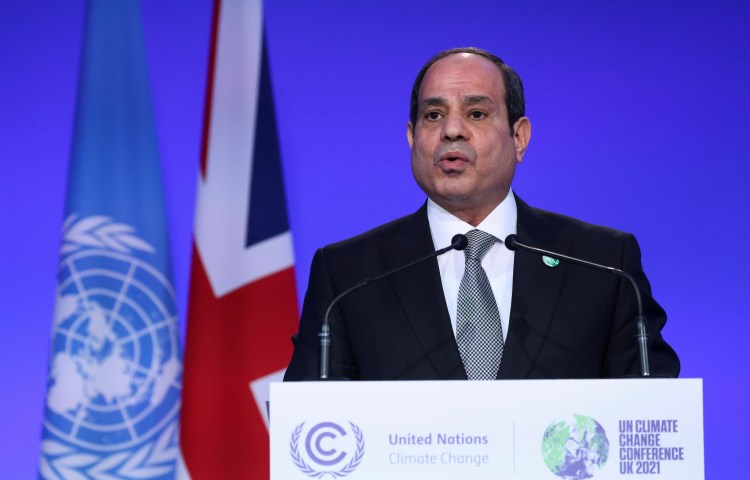
CPJ joins call urging Egyptian government to respect human rights ahead of COP27
In a joint open letter on July 14, 2022, the Committee to Protect Journalists joined 20 other civil society groups in urging German officials meeting with Egyptian President Abdel Fattah el-Sisi to press the Egyptian leader to reopen civic space in the country. The letter is addressed to German Foreign Minister Annalena Baerbock and State Secretary…
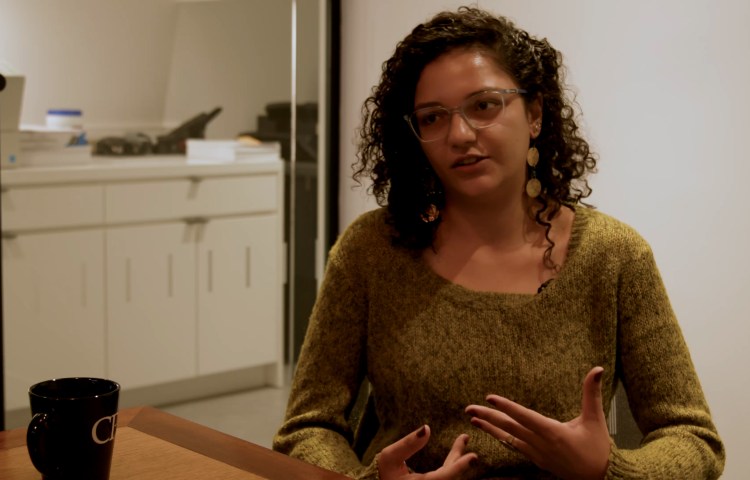
Imprisoned Egyptian journalist Alaa Abdelfattah’s sister Sanaa Seif: ‘Since the book is out, his voice is out too’
When Egyptian journalist Alaa Abdelfattah was re-arrested in September 2019 for sharing a tweet with allegations of wrongdoing by a state security officer, he ended up back in prison under the same watchful gaze of authorities who had warned him a few months prior to stop reporting, or he would “regret it.” However, Abdelfattah did…
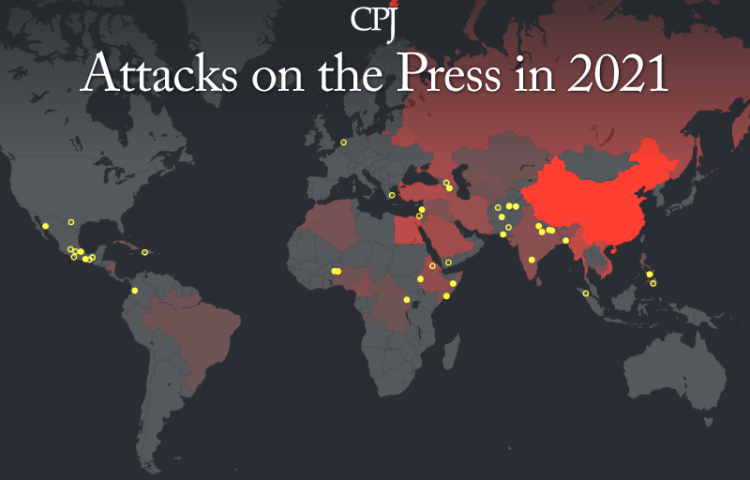
In Middle East and North Africa, a drop in attacks on journalists belies dire state of press freedom
The Middle East and North Africa region has long been especially dangerous for journalists. The Committee to Protect Journalists’ research has found that one out of every three reporters killed worldwide in retaliation for their work since 1992 — 477 out of 1,422, or 33.5% – were located in the region. That proportion rose to…
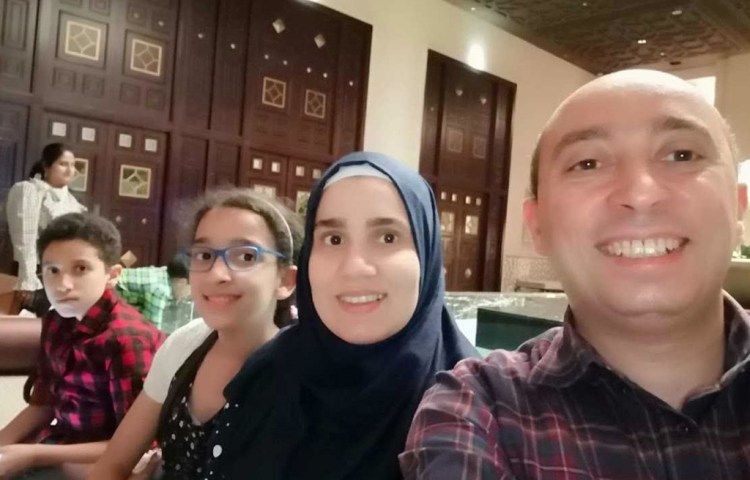
For families of Al-Jazeera journalists jailed in Egypt, an agonizing choice
When Al-Jazeera journalists Mohamed Said Fahmy, Hisham Abdelaziz, and Bahaa Eldin Ibrahim Neamatalla were arrested on terrorism charges in Egypt between 2018 and 2020, their families decided to keep quiet about their detention. They feared that public attention would backfire, leading Egyptian authorities to prolong their relatives’ time in custody or worsen their prison conditions. …
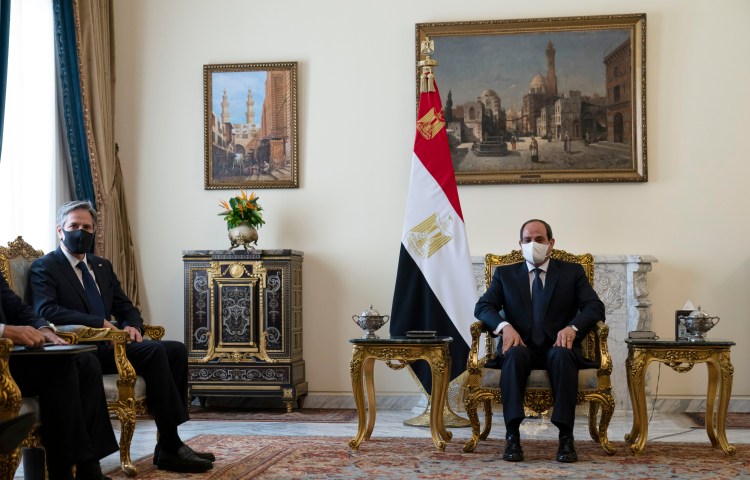
CPJ condemns Biden administration bypassing human rights conditions in military aid to Egypt
In a joint statement today, the Committee to Protect Journalists joined 18 other civil society groups in condemning the reported decision by U.S. President Joseph Biden’s administration to send military aid to Egypt and bypass human rights conditions set by Congress. The statement noted that the administration’s move to send $170 million in military aid,…
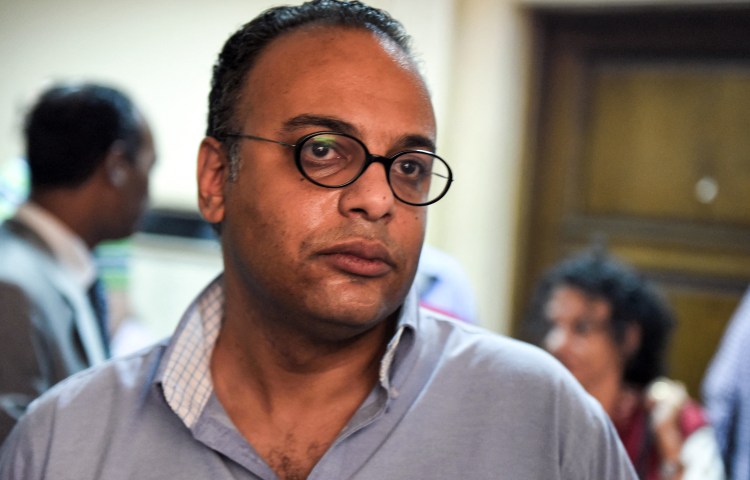
Egyptian journalist Hossam Bahgat is set to go on trial for a tweet
On November 2, Egyptian investigative journalist Hossam Bahgat is set to go on trial over a tweet. In the December 2020 post on Twitter–where he has more than 260,000 followers–Bahgat, who is also the executive director and founder of local rights group the Egyptian Initiative for Personal Rights, criticized the former president of the National…