Global press freedom violations during the Iran war
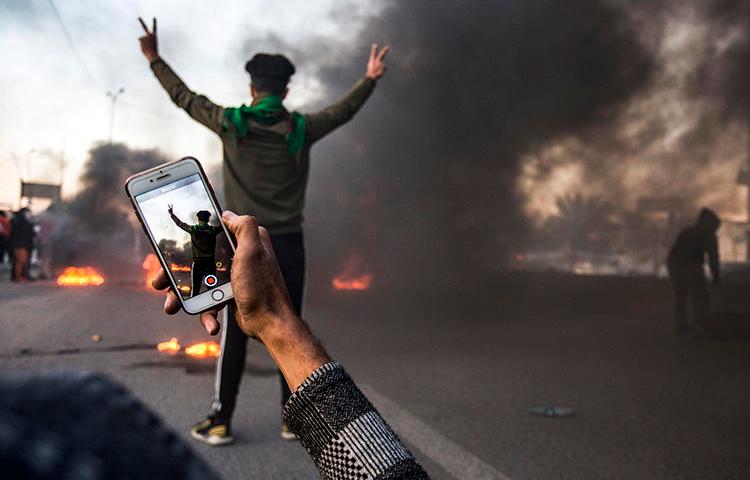
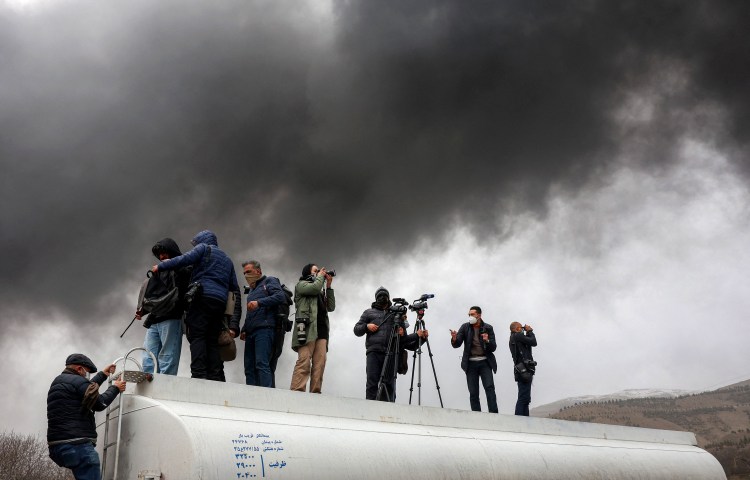
The Committee to Protect Journalists is monitoring press freedom violations related to the ongoing military escalation between Israel, the U.S and Iran and its spillover across the Middle East, including its regional and global impact on journalists and media workers. Since the Iran war broke out on February 28, when the U.S and Israel launched…
CPJ submits report on Iraq to UN’s human rights review
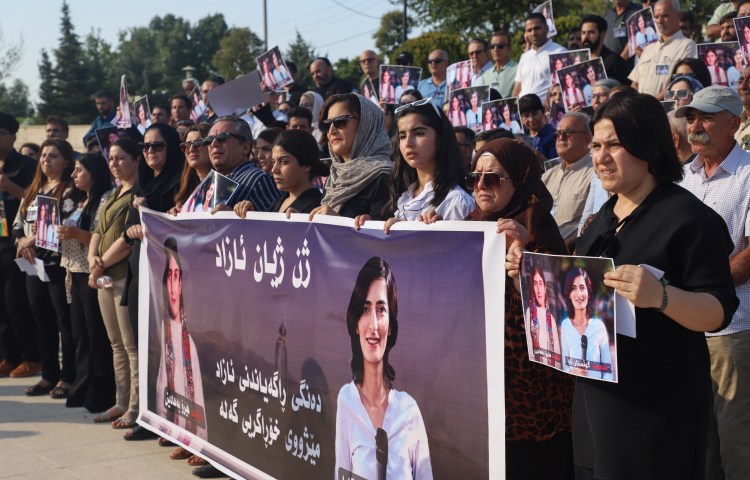
The Committee to Protect Journalists has submitted a report on the state of press freedom and journalist safety in Iraq and semi-autonomous Iraqi Kurdistan to the United Nations Human Rights Council ahead of its January to February 2025 Universal Periodic Review (UPR) session. The U.N. mechanism is a peer review of each member state’s human…

Iraqi Kurdish journalist Guhdar Zebari is free from prison, but not from threats
On February 17, 2024, Iraqi Kurdish journalist Guhdar Zebari was released from prison, concluding a three-and-a-half year legal saga that saw him convicted on anti-state and other charges in retaliation for his work. Zebari is one of the so-called “Badinan prisoners” – a group of journalists and activists from the ethnic Badinani group who were…
Iraqi Kurdish journalist Omed Baroshky: Press freedom ‘an illusion’ in the region
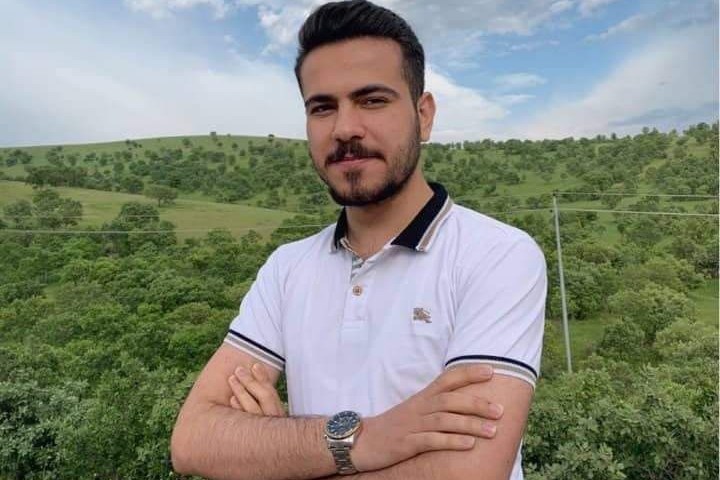
Freelance journalist Omed Baroshky spent 18 months in jail over social media posts that were critical of the authorities in Iraqi Kurdistan. One of four Iraqi Kurdish reporters listed in CPJ’s 2021 prison census, his incarceration marked yet another low point for a region that has seen a sharp deterioration in the environment for the…
‘Spaghetti against the wall’: how flimsy evidence sent 2 Iraqi Kurdish journalists to jail for 6 years
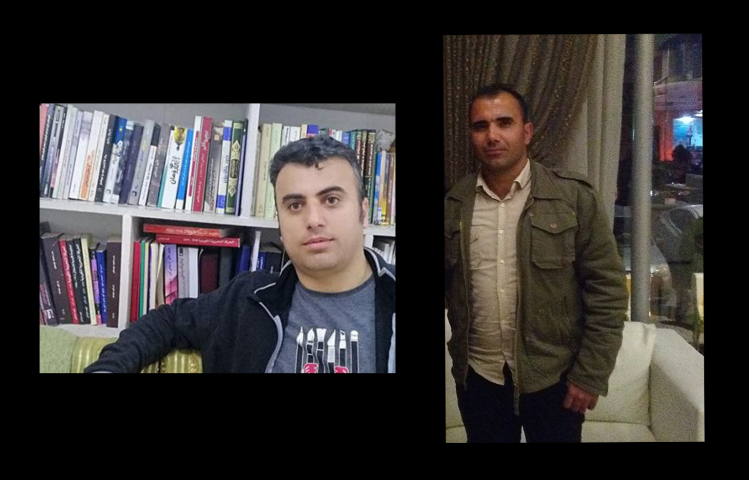
The case against Iraqi Kurdish journalists Sherwan Amin Sherwani and Guhdar Zebari was built on flimsy and circumstantial evidence, five observers of the journalists’ Erbil trial last month told CPJ. Their six-year prison sentences on anti-state charges represent a new low for press freedom in Iraqi Kurdistan. According to rights groups representatives, journalists, and an Iraqi Kurdish…
Ten years after the Arab Spring, the region’s media faces grave threats. Here are the top press freedom trends
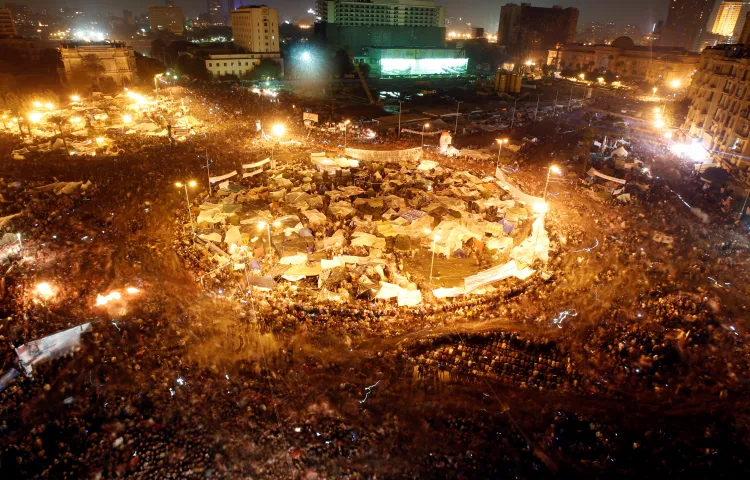
In early February 2011, Alaa Abdelfattah was in Egypt’s Tahrir Square, documenting and participating in the nascent pro-democracy uprising that would topple the government and transform the country and the region. Today, he is in prison on anti-state and false news charges, which his family believes are partly retaliatory for his work. Abdelfattah is one of…
Journalists in Iraqi Kurdistan tell CPJ of obstruction and opportunities covering COVID-19
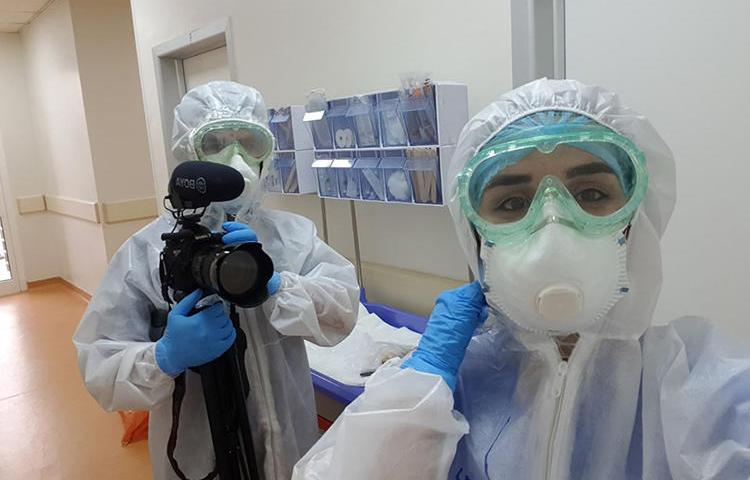
On May 10, Saman Barzinji, the health minister of the Iraqi Kurdistan regional government, announced that the COVID-19 pandemic no longer posed a threat to the region, and that the area would gradually reopen, according to news reports.
Press freedom on ‘brink of extinction’ in Iraqi Kurdistan, journalists say
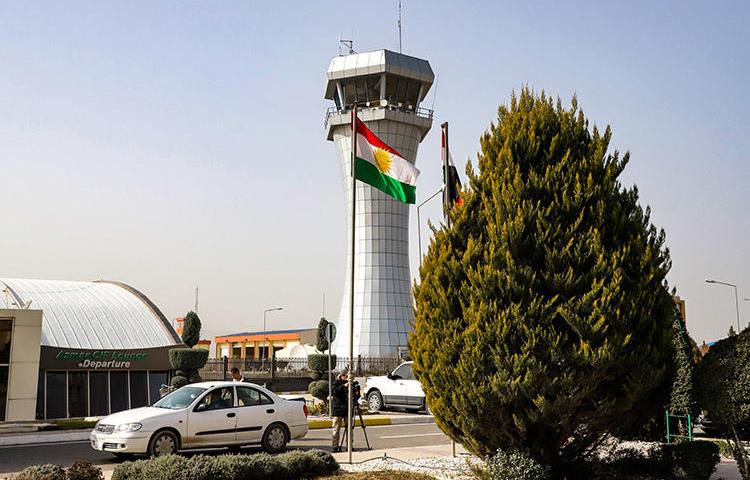
“Ever since I started working as a journalist nine years ago, I have been under constant pressure from my family, my tribe, and my community to give up journalism. Friends have been asked by security forces to sever ties with me,” said freelance journalist Guhdar Zebari, when he met with CPJ in the empty lobby…

In Iraqi Kurdistan, journalists are victim of political tension
Mission journal: Journalists in Iraqi Kurdistan are under pressure from authorities in the autonomous northern Iraqi region, with news outlets shuttered and critical reporters arrested. With government formation talks underway, CPJ’s Middle East and North Africa representative Ignacio Miguel Delgado travels to Erbil, Sulaymaniyah and Duhok to hear from local journalists on how the partisan…