
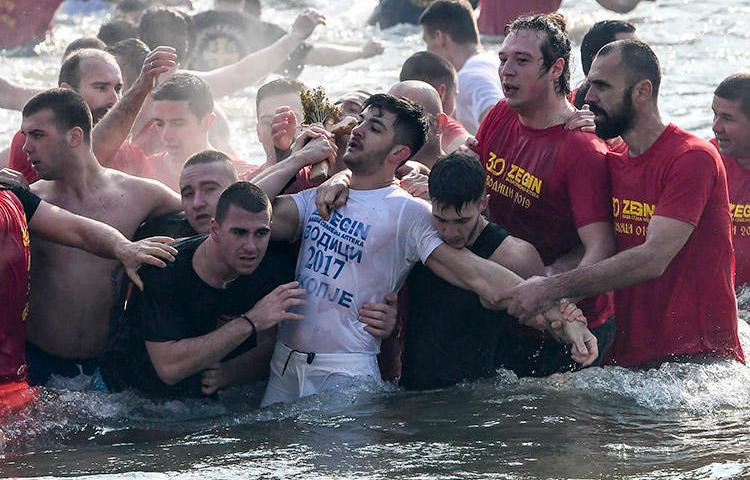
In Macedonia, journalist attacked covering religious event
Mirjana Mircevska-Jovanović, a reporter for Kanal 5, a privately owned television station, was attacked in the capital, Skopje, on January 19, 2019 while covering an event celebrating the Orthodox Christian holiday of Epiphany, according to local news site Telma.
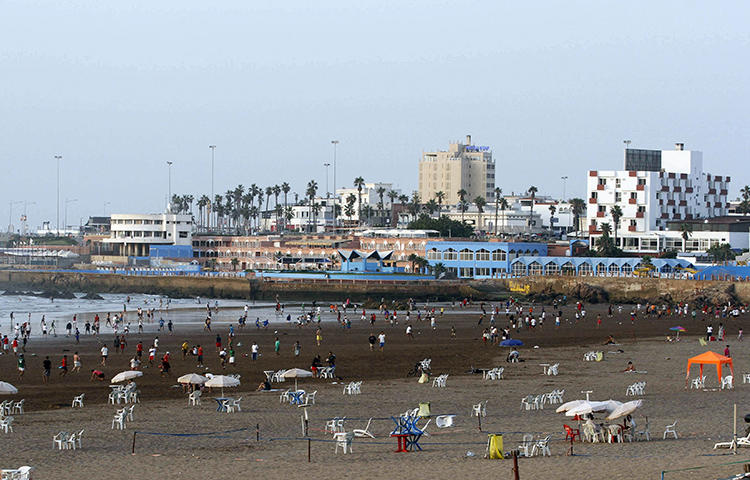
Critical Moroccan journalist arrested on several charges
Moroccan police on February 23, 2018 arrested Taoufik Bouachrine, a columnist and the publisher of Akhbar al-Youm, at the newspaper’s headquarters in Casablanca on charges including human trafficking, sexual assault, rape, prostitution, and harassment, according to his lawyers, outlets, and news reports.
CPJ reacts to reports that Peter Thiel has funded lawsuits against Gawker
New York, May 25, 2016–The Committee to Protect Journalists today released the following statement from Executive Director Joel Simon regarding reports that entrepreneur Peter Thiel has been secretly covering the expenses for Hulk Hogan’s lawsuits against online news organization Gawker Media:

CPJ joins Council of Europe journalism safety platform
The Committee to Protect Journalists has joined the Council of Europe’s platform to protect journalism and promote the safety of journalists. The Strasbourg-based body set up the reporting system earlier this year as a way to hold its 47 member states responsible for responding to attacks against journalists.

Mission Journal: Will Obama’s visit boost hopes for press freedom in Kenya?
President Barack Obama is expected to address a range of topics when he arrives in Kenya tomorrow. The Kenyan government says it plans to discuss security and trade, while opposition parties and civil society want good governance and human rights added to the agenda, according to news reports. We hope the discussion includes the commitments…
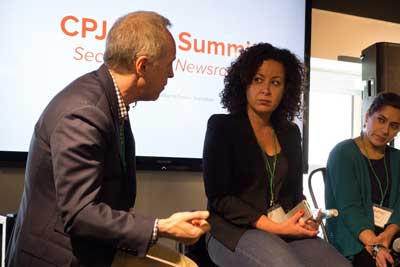
On World Press Freedom Day and journalists’ safety
Last week, I met a Cameroonian journalist who worked in the Congo until he fled following a series of threats and an attack on his home by armed men who assaulted his sister. Elie Smith, a TV host who documented alleged abuses by police and was outspoken in his criticism of the government, said he…
David Laventhol: Dedicated and generous press freedom advocate
David Laventhol, the former publisher of Newsday and the Los Angeles Times passed away on Wednesday, aged 81. Dave served as chairman of CPJ from 2002 to 2005, using his low-key approach and savvy news sense to help guide the organization’s response to the unprecedented turmoil of the Iraq War.
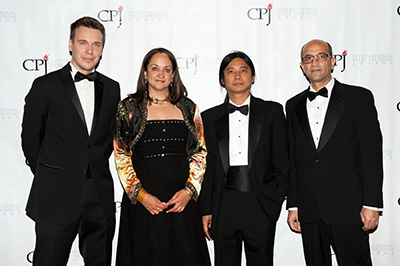
Four journalists honored for commitment to press freedom
New Initiatives Fund set up to help combat ‘war on journalists’ New York, November 26, 2014–Four journalists from Burma, Iran, Russia, and South Africa were honored Tuesday night at the Committee to Protect Journalists’ 24th annual International Press Freedom Awards for their work in defiance of imprisonment, repression, and censorship.