The 10 Worst Offenders of 1997
Algeria’s Antar Zouabri
Zouabri, head of the militant Armed Islamic Group (GIA), ensures that Algeria remains the most dangerous place in the world for journalists. Under his leadership and that of his predecessor, Abu Abdul Rahman Amin, who was killed last year, the GIA has waged an unpredecented campaign of assassination that has claimed the lives of 59 journalists since the brutal civil conflict began in 1992. “Those who fight with the pen shall die by the sword,” warns the GIA, creating total fear in a press corps trying to continue to work under impossible conditions.
China’s President Jiang Zemin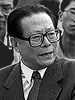 Jiang wages a continuing battle against all independent reporting, threatening to close down one-third of all publications as part of a crackdown on press that fail to toe the Communist Party line–a harsh reminder that the media’s only role is to be the party’s mouthpiece. Jiang has already made it clear that press freedom in Hong Kong will be greatly constrained when China takes over July 1.
Cuba’s President Fidel Castro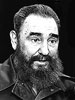 Castro continues his relentless harassment of independent journalists, using tactics such as organized mob rallies outside journalists’ homes. Castro’s security police routinely detain journalists and steal their effects and money, while threats of reprisals instill fear in their families, neighbors, and colleagues. Under Castro’s rule Cuba is the only country in the Western Hemisphere that tolerates no free or independent domestic journalism.
Nigeria’s General Sani Abacha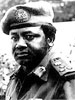 Abacha escalated his vicious tactics to decimate the country’s once-thriving independent press and drive scores of journalists into exile. He ended 1996 with a rash of detentions of journalists for their critical coverage of government and the establishment of a press court solely for the prosecution of journalists. The assassination in broad daylight of the wife of Concord publisher and Nigerian president-elect Moshood Abiola and the attempted assassination of Guardian publisher Alex Ibru were clear examples of the length to which Abacha will go to silence the media.
Turkey’s Prime Minister Necmettin Erbakan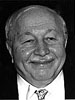 Erbakan keeps up Turkey’s repression of independent journalists. The press remains under threat from the sweeping provisions of the anti-terror law and the penal code, which permit the arrest and prosecution of journalists for critical reporting on the government’s ongoing conflict with Kurdish insurgents. Broadening his assault, he increasingly subjects journalists to arbitrary detention and trial for expression of unfavorable political opinions. Under Erbakan’s regime, 78 journalists were in jail at the beginning of 1997–more than in any other country.
Belarus’s President Alexander Lukashenko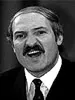 Lukashenko bullies the press with Soviet-era tactics, tightening his stranglehold by shutting down independent media and publicly denouncing journalists. He expelled Russia’s best-known independent television bureau chief for “distorted coverage.” In March, before signing an integration agreement with Russia, he instituted prior censorship and blocked the dissemination of information “deemed harmful to the interests of Belarus.”
Ethiopia’s Prime Minister Meles Zenawi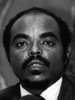 Meles wages a deliberate campaign to restrict press freedom, inflicting harassment, censorship, arrest, and months-long detention on journalists, as the total of 104 documented imprisonments in Ethiopia in the last four years attest. At the end of January, for the fourth consecutive year more journalists were in prison in Ethiopia than in any other African country.
Indonesia’s President Suharto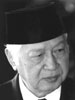 Suharto continues to stifle any independent press, banning and censoring both foreign and local publications at will and permitting the severe beatings of journalists covering demonstrations against his suppression of political opposition. He ignored international appeals for the release of imprisoned leader of the independent journalists union Ahmed Taufik and his colleague Eko Maryadi, instead further isolating them by frequent moves to increasingly remote prisons.
Burma’s Senior General Than Shwe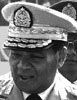 Chairman of the State Law and Order Restoration Council (SLORC), Than Shwe keeps the media under tight control with a barrage of laws restricting the flow of information. Writing or saying anything to “disrupt and deteriorate the stability of the state” brings a 20-year prison sentence; owning or using a fax machine or modem, 15 years. Jamming of BBC and Voice of America Burmese-language broadcasts effectively denies Burmese citizens access to any independent, reliable information on developments in their country.
Albania’s President Sali Berisha
Berisha, until recently the West’s favorite East European anti-Communist, reverted to his predecessors’ methods by muzzling the press in the state of emergency declared in March to quash mass public protests over failed financial pyramid schemes. Berisha’s dreaded secret police raided and then torched the newsroom of the main opposition daily, Koha Jone. Journalists, beaten and intimidated, were forced to flee the country or seek refuge in foreign embassies in Tirana. Ongoing attacks on journalists and seizure of critical publications belie his claim to have lifted censorship.