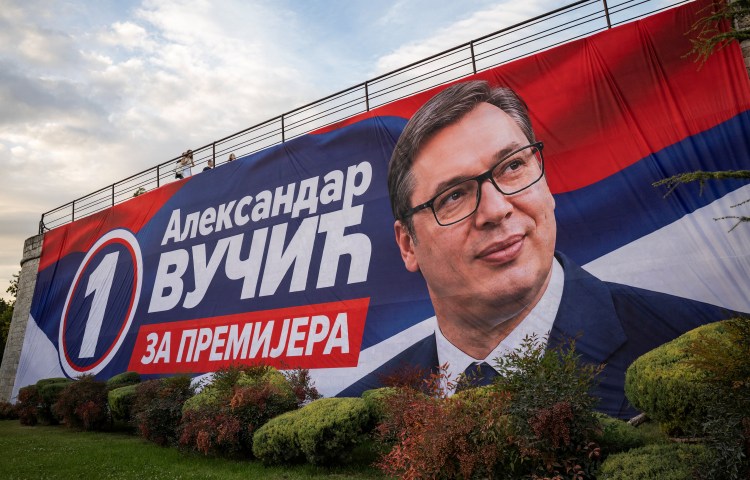
After weeks of attacks, CPJ calls for protection of journalists during Serbia election
Berlin, October 23, 2026—The Committee to Protect Journalists calls on Serbian authorities to ensure that journalists can report safely throughout Sunday’s parliamentary election, and the period that follows, after a campaign marked by physical attacks, police obstruction, and threats against reporters. Since CPJ warned a month ago of growing risks for journalists ahead of the…
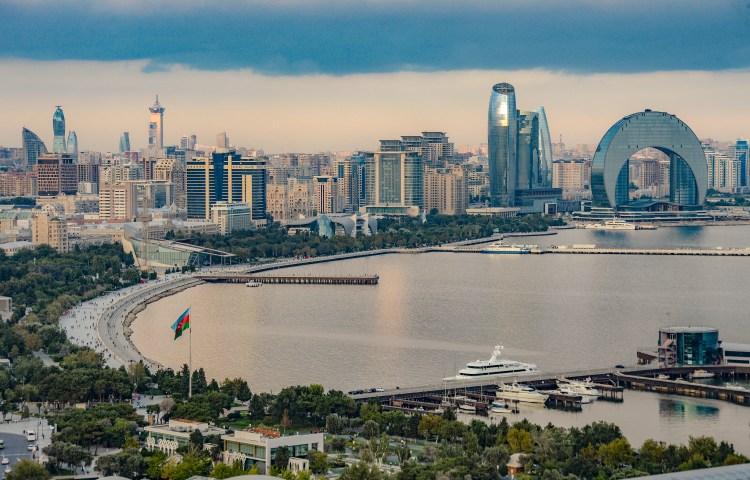
Azerbaijan: Prosecutors seek prison terms of up 12 years for Meclis.info journalists
London, October 22, 2026—Azerbaijan should drop its financial crimes case against two journalists and another staff member of Meclis.info, an independent media outlet covering the work of the country’s parliament, and stop using allegations of illegal funding from international donors to silence the independent press, the Committee to Protect Journalists said Thursday. On October 20,…
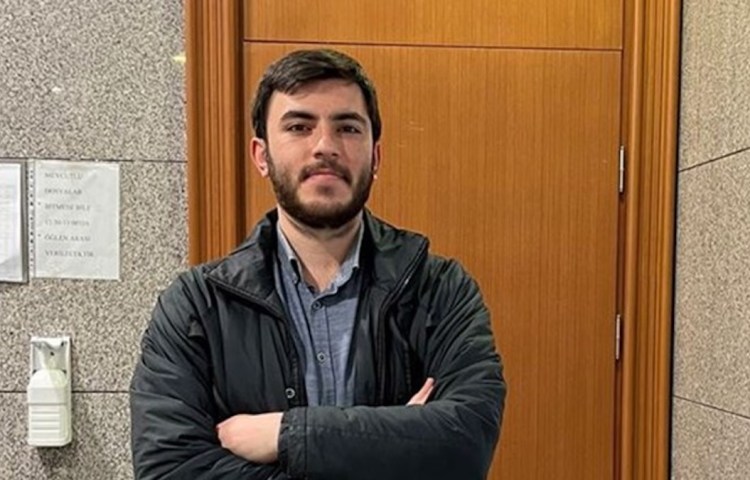
Turkish reporter İsmail Arı arrested again on suspicion of spreading ‘disinformation’
Istanbul, October 22, 2026—Turkish authorities must immediately free İsmail Arı, the latest journalist to be arrested in a relentless crackdown on independent media this year, and abolish the disinformation law that has supercharged these repressive tactics, the Committee to Protect Journalists said Thursday. “İsmail Arı has already spent more than two months in jail this…
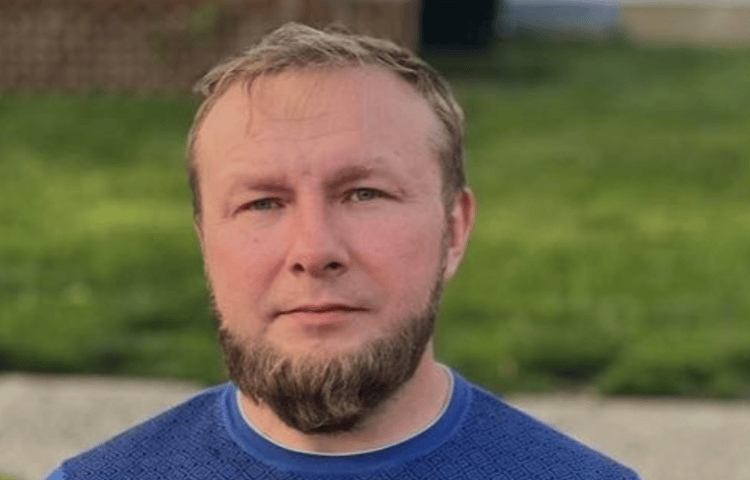
CPJ calls for release of dissident Russian journalist Vladimir Driagin
Miami, October 20, 2026—The Committee to Protect Journalists calls for the release of dissident Russian journalist Vladimir Driagin, who has been held under detention by Immigration and Customs Enforcement for almost a year despite volunteering to be deported. In July, he was transferred to the Adams County Correctional Center in Natchez, Mississippi, but he could…

Malta: On 9-year anniversary of Daphne Caruana Galizia’s murder, CPJ, partners say full justice must be delivered
On Friday, the Committee to Protect Journalists and six international media freedom and journalist groups issued a joint statement to mark the ninth anniversary of the killing of investigative journalist Daphne Caruana Galizia and insisted that those responsible for ordering her murder on October 16, 2017, must be brought to justice. The prominent investigative journalist…

CPJ, partners condemn Turkish authorities for seizing control of pro-opposition Halk TV
The Committee to Protect Journalists on Thursday joined 12 local and international partner organizations in a joint statement condemning Turkish authorities’ decision to seize control of pro-opposition broadcaster Halk TV and block its social media accounts from access in Turkey. The statement called on the Turkish government to “revoke the trustee appointment at Halk TV,…
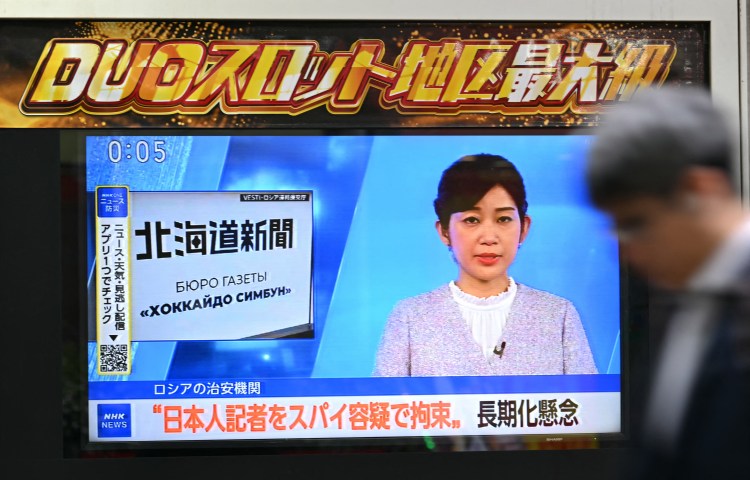
Russia detains Japanese journalist on suspicion of espionage
London, October 14, 2026—Russia must immediately release a Japanese journalist detained on Tuesday in the far-eastern island of Sakhalin on suspicion of espionage, the Committee to Protect Journalists said Wednesday. The journalist, identified by media as Yuki Imai, is believed to be a correspondent for the Hokkaido Shimbun newspaper, a regional outlet for Japan’s northern…
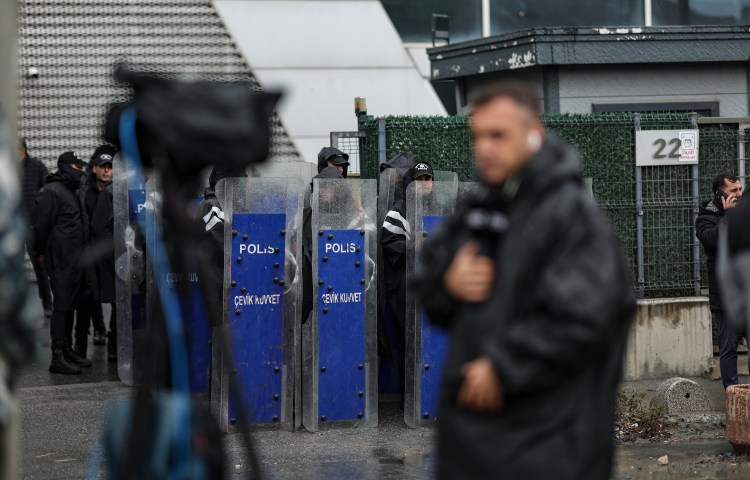
Turkish authorities seize control of popular pro-opposition Halk TV after police raid headquarters, stop live broadcasts
Istanbul, October 14, 2026—Turkish authorities must immediately return control of Halk TV, one of the few remaining media voices critical of the government, to its staff and cease their relentless efforts to stifle the free flow of information in the country, the Committee to Protect Journalists said Wednesday. Police officers raided Halk TV’s headquarters in…
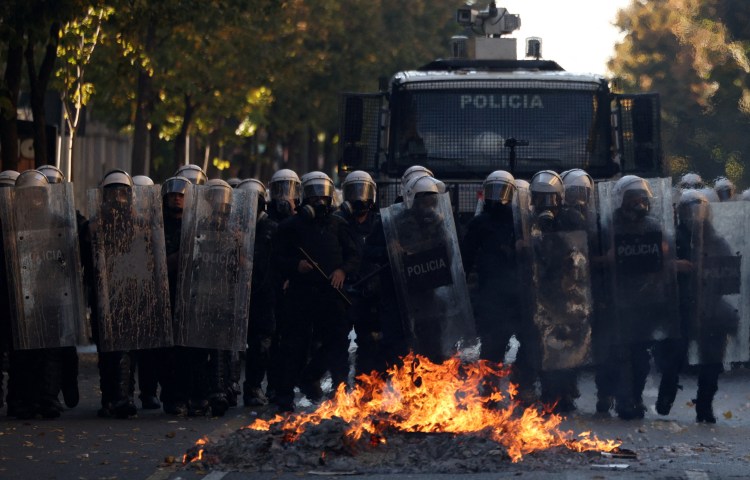
CPJ, partners call for urgent action after police violence against journalists in Albania
The Committee to Protect Journalists joined Albanian and international partner organizations in an open letter calling on Albanian authorities to investigate repeated violence and obstruction affecting journalists covering protests, and ensure accountability. The letter came after serious incidents in the capital Tirana on October 13, when several journalists reported being physically assaulted or obstructed by…
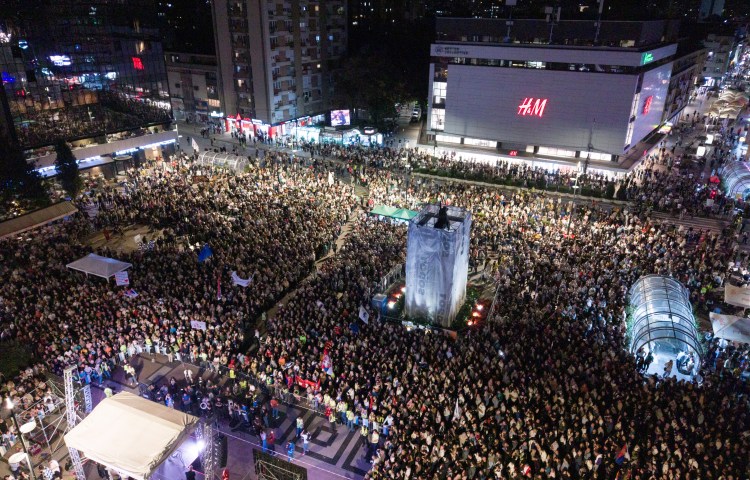
Safety resources for journalists covering the October 25 elections in Serbia
Journalists in Serbia are facing record levels of physical violence, death threats, and online smear campaigns. Those covering protests have been deliberately targeted and arbitrarily detained. CPJ and partner organizations visited the capital Belgrade in March this year and a report on that trip, published in July by partners of the Council of Europe’s Safety…