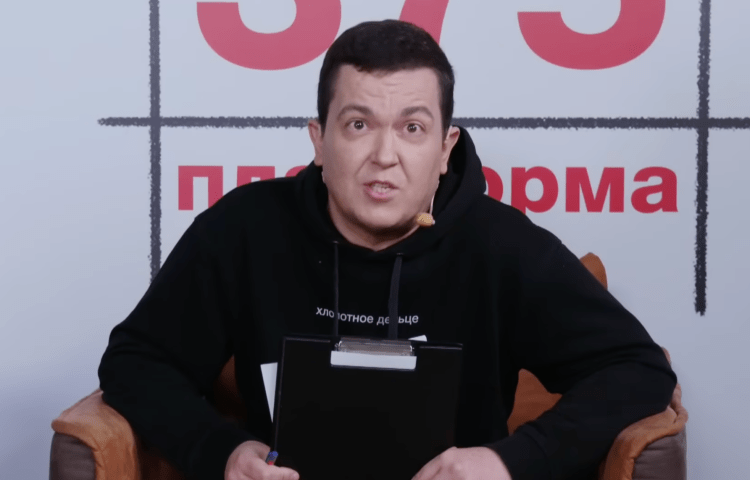
Belarus jails journalist Kyril Pazniak for 3.5 years
New York, June 26, 2026—The Committee to Protect Journalists condemns the June 26 sentencing of Belarusian journalist Kyril Pazniak to three years and six months in prison, and calls on Belarusian authorities to release him immediately. The court in Minsk, the capital, convicted Pazniak on charges of creating an extremist group and discrediting Belarus. The court also fined Pazniak 24,750 Belarusian rubles (US$8,530). …
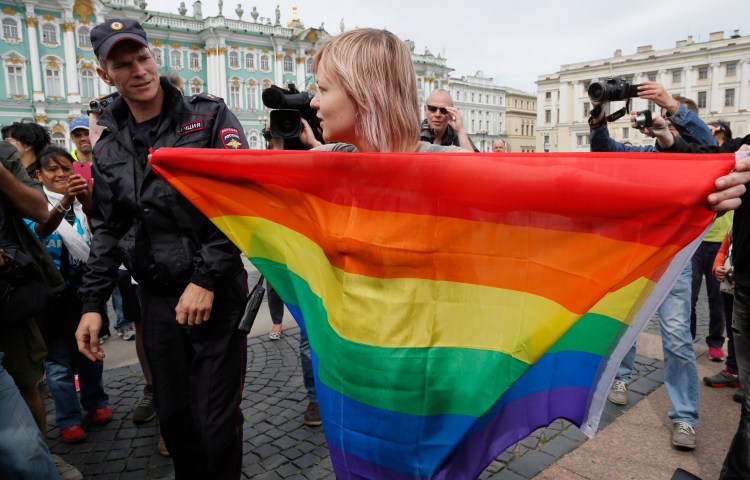
The high price journalists paid for LGBTQ+ reporting, and how to protect yourself now
As LGBTQ+ communities celebrate Pride this June, many journalists continue to face an ugly reality: simply reporting on this community can open them up to prosecution, physical attacks, threats, arrest, exile, and even death. Avijit Roy, a Bangladeshi-born American who blogged about LGBTQ+ rights and free expression, was stabbed to death alongside his wife after…

CPJ, partners express urgent concern to NATO over press accreditation denial for Turkey summit in July
The Committee to Protect Journalists joined the International Press Institute and other press freedom and human rights organizations in expressing concern over the denial of accreditation to Turkish journalists hoping to cover NATO’s summit in Ankara, Turkey on July 7-8. Dozens of Turkish journalists, including staff from independent media outlets Halk TV, Sözcü TV, Nefes,…

Russian independent journalists fear MAX app, new online restrictions will hinder reporting
As Russian authorities tighten the screw on popular messaging app Telegram and promote a state-backed “super app” that observers say could act as a surveillance tool, independent journalists and media outlets inside and outside Russia say it will become more difficult to report stories securely and stay connected to audiences. President Vladimir Putin is pushing…
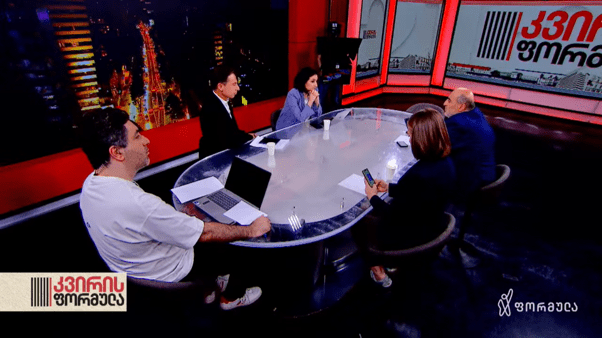
Georgia opens criminal probe into independent broadcaster Formula TV
New York, June 25, 2026—The Committee to Protect Journalists calls on Georgia to drop a criminal investigation into independent broadcaster Formula TV after prosecutors on June 17 announced a probe into the pro-opposition outlet on the charge of false denunciation of a crime. Eter Katamadze, a lawyer for Formula TV, told CPJ this was the…
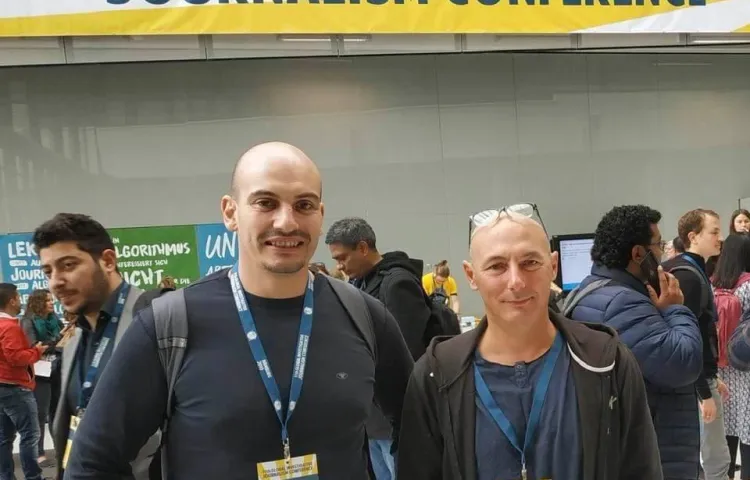
Bulgarian investigative journalist Dimitar Stoyanov faces threat of violence
Berlin, June 24, 2026—Bulgarian authorities must thoroughly investigate reports that prominent journalist Dimitar Stoyanov is facing threats of violence linked to his reporting and act immediately to guarantee his safety, the Committee to Protect Journalists said Wednesday. The Bureau for Investigative Reporting and Data (BIRD), where Stoyanov works, told CPJ that two anonymous witnesses had…
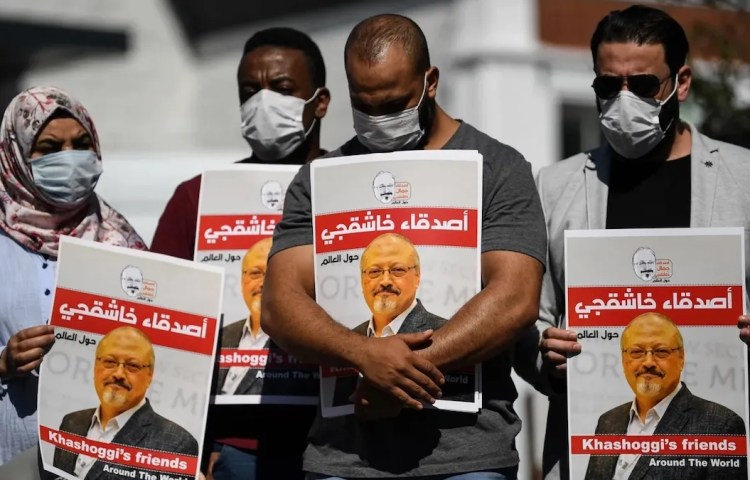
World Refugee Day 2026: Supporting journalists in exile amid transnational repression
World Refugee Day draws attention to journalists who have been forced to flee their home countries due to threats, conflict, or repression. While exile is now recognized as a growing reality for journalists worldwide, the experiences of journalists CPJ supported last year reflect the reality that relocation does not necessarily bring safety. Increasingly, journalists in…

These 6 foreign journalists have been denied entry by Israel
When French journalist Alice Froussard landed at Tel Aviv’s Ben Gurion Airport a week ago, she arrived with a valid travel authorization and plans to report from the occupied West Bank, where she had worked for years. By the next morning, Israeli authorities placed her on a flight back to Paris, denying her entry. She…

CPJ calls on EU to support press freedom reform in Hungary
Brussels, June 11, 2026—Ahead of a meeting with Hungarian officials on June 16, the Committee to Protect Journalists urges European Union member states to encourage Prime Minister Péter Magyar’s new government to rebuild the national media landscape by fully aligning future reforms with EU law and recommendations. Magyar’s Tisza party won April elections, ousting Viktor…
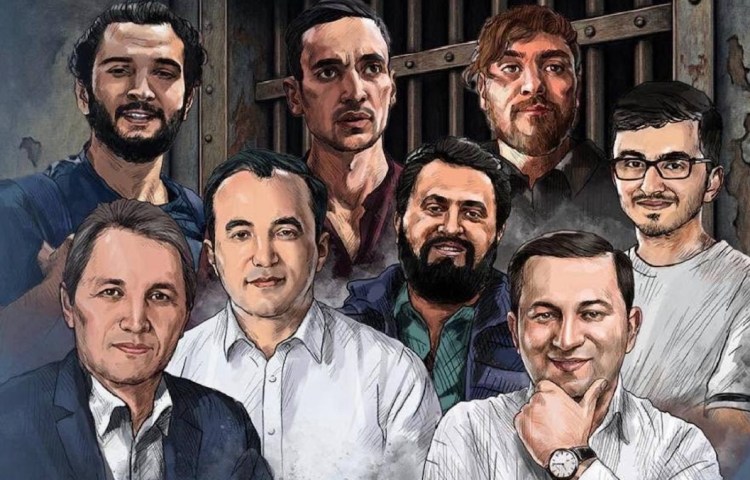
Azerbaijani prosecutors seek up to 16 years in prison for defendants in Toplum TV case
New York, June 10, 2026 —The Committee to Protect Journalists calls on Azerbaijan to drop charges against journalists and other individuals associated with leading independent news outlet Toplum TV after prosecutors on June 8 requested prison terms of up to 16 years on charges related to receipt and use of foreign funds. “The outrageous prison…