7 exiled Belarusian media sites hit by DDoS attacks
Websites of at least six exiled Belarusian news outlets and one journalists’ association have been targeted since March by distributed denial-of-service (DDoS) attacks, which aim to overwhelm websites with floods of internet traffic. Staff at several of the affected outlets said the increasingly frequent attacks appear to extend a pattern of transnational repression linked to…
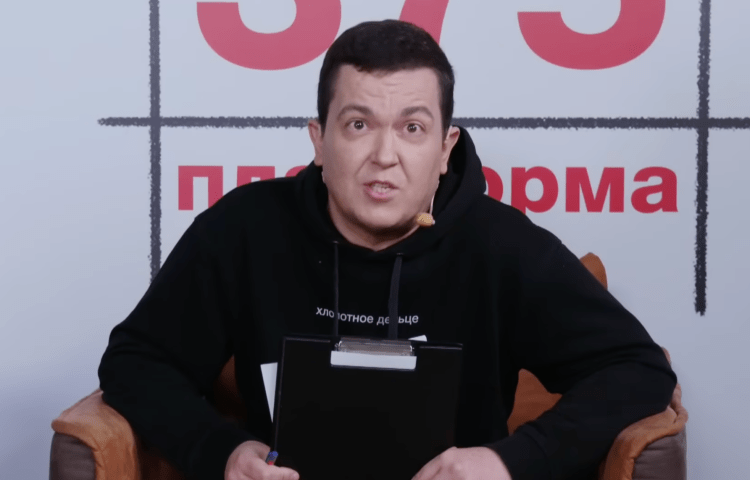
Belarus jails journalist Kyril Pazniak for 3 ½ years
New York, June 26, 2026—The Committee to Protect Journalists condemns the June 26 sentencing of Belarusian journalist Kyril Pazniak to three years and six months in prison, and calls on Belarusian authorities to release him immediately. The court in Minsk, the capital, convicted Pazniak on charges of creating an extremist group and discrediting Belarus. The court also fined Pazniak 24,750 Belarusian rubles (US$8,530). …
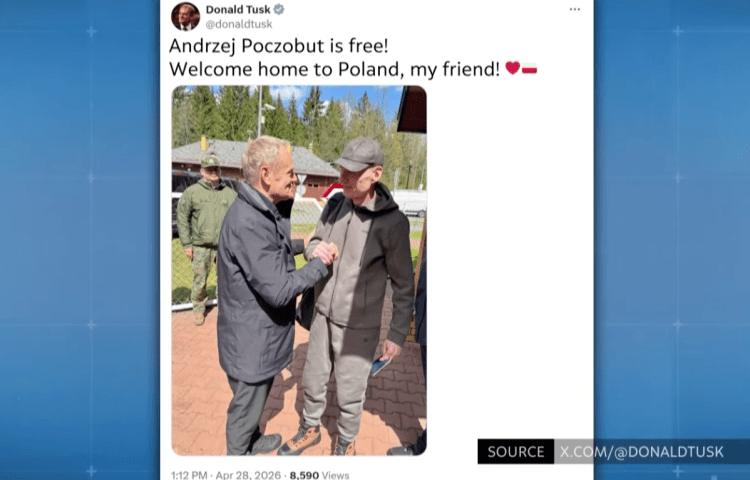
Belarus frees journalist Andrzej Poczobut
New York, April 28, 2026—The Committee to Protect Journalists welcomes the release by Belarus on Tuesday of journalist Andrzej Poczobut, as part of a Polish-Belarusian prisoner exchange involving the United States, Moldova, Romania, Russia, Kazakhstan, and Ukraine. The swap, which included ten prisoners from various countries, took place at the Polish-Belarusian border and was confirmed by Polish Prime Minister Donald Tusk, who posted a picture of…
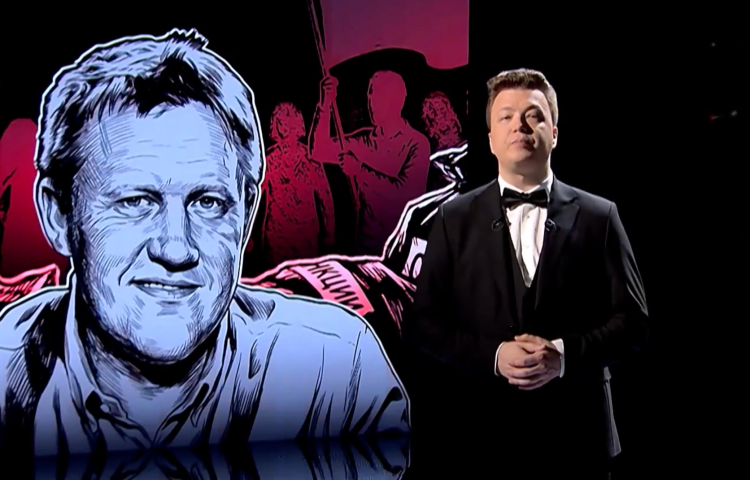
Exiled investigative journalist surveilled, doxxed by Belarusian state TV
New York, April 24, 2026—CPJ is alarmed that the Belarusian state-owned TV channel STV broadcast the address and phone number of exiled investigative journalist Stanislau Ivashkevich, and shared personal information about 20 other journalists. We call on Polish authorities to thoroughly investigate allegations that Ivashkevich has been surveilled by Belarusian security services, and on Belarus…
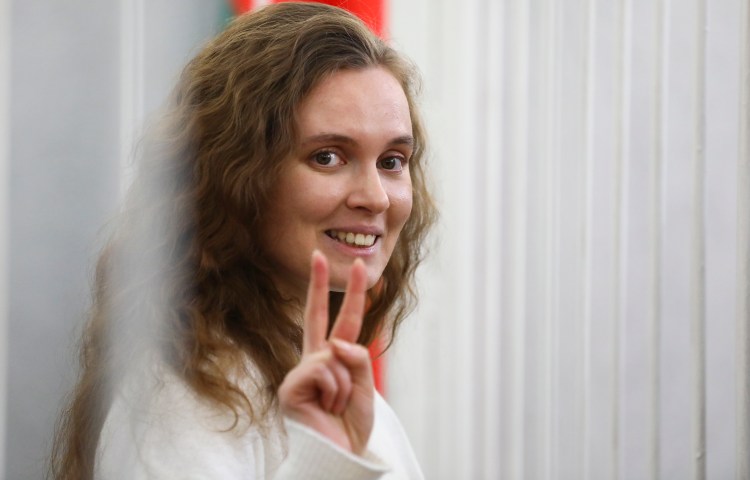
Belarusian journalist Katsiaryna Andreyeva released after serving over 5 years in prison
Update: After publication, CPJ was able to confirm that two other journalists, Aleh Supruniuk and Valeryia Kastsiuhova, had been released domestically. Journalist Dzmitry Navazhylau remained behind bars as of April 7, despite initial reports that he was among those released. New York, March 19, 2026—The Committee to Protect Journalists welcomes the release of Belarusian journalist Katsiaryna Andreyeva, who was among 250 prisoners freed on Thursday…
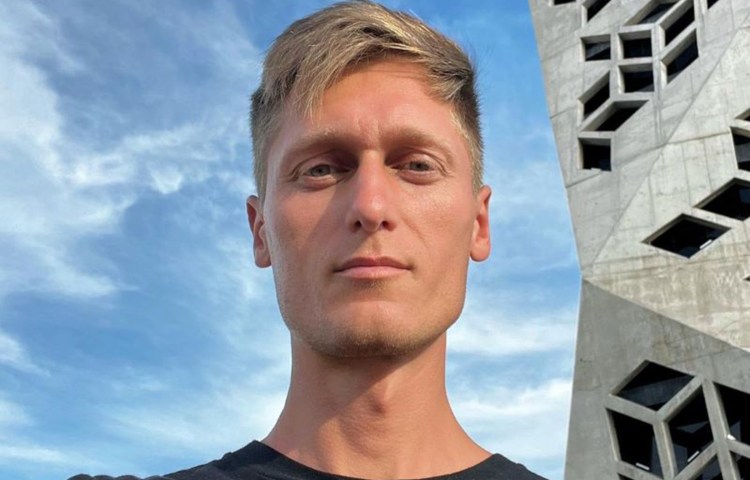
Belarus sentences journalist Pavel Dabravolski to 9 years on treason charges
New York, March 9, 2026 — The Committee to Protect Journalists strongly condemns the March 6 sentencing of Belarusian journalist Pavel Dabravolski to nine years in jail on treason charges, and calls on Belarusian authorities to release him immediately. Dabravolski’s trial, held behind closed doors, started in Minsk, the capital, on February 27. The charges under Article 356, Part 1 of…
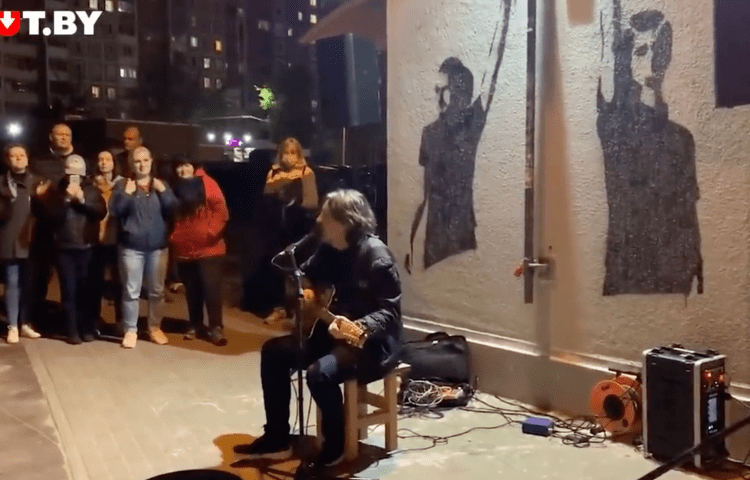
Belarusian court sentences journalist Aleh Khamenka to 3 years in prison
New York, March 5, 2026— Belarusian authorities must immediately release radio host Aleh Khamenka and stop jailing journalists for their work, the Committee to Protect Journalists said Thursday. On March 4, a Belarusian court in Minsk, the capital, convicted journalist Aleh Khamenka on charges of promoting “extremist” activities and sentenced him to three years’ imprisonment, according to the Belarusian Association of Journalists (BAJ),…
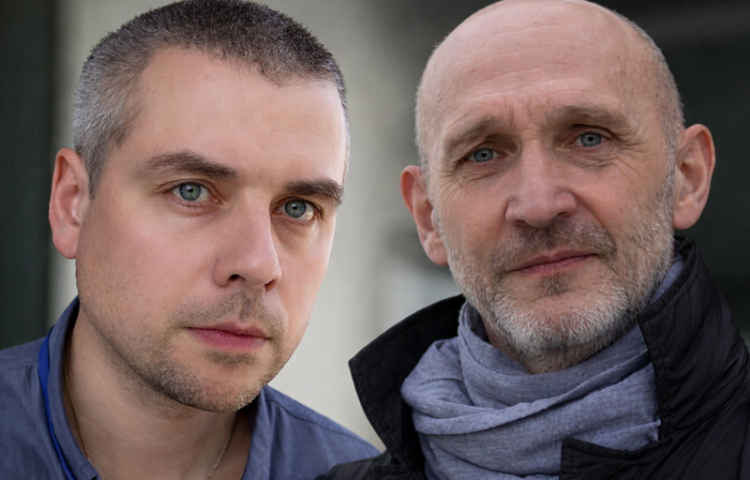
Belarusian court sentences 2 journalists to 14, 12 years in prison, heavy fines
New York, March 3, 2026—Belarusian authorities should immediately release journalists Uladzimir Yanukevich and Andrei Pakalenka, and stop jailing journalists for their work, the Committee to Protect Journalists said Tuesday. On February 26, a court in the southwestern city of Brest convicted 66-year-old Yanukevich and 44-year-old Pakalenka on treason charges, and sentenced them to 14 and…

Belarusian journalist Maryna Zolatava released after serving over 4 years in prison
Paris, December 15, 2025—The Committee to Protect Journalists welcomes the release of Belarusian journalist Maryna Zolatava, who was among 123 prisoners freed on Saturday as part of a deal in which the United States announced it was lifting sanctions on Belarus’s potash exports. All were pardoned by Belarusian President Aleksandr Lukashenko. “We are relieved that journalist Maryna Zolatava is finally free,…
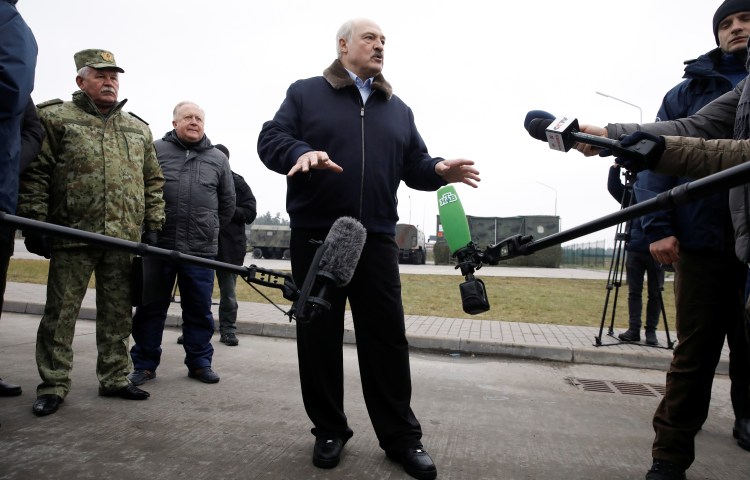
Belarus court sentences 4 journalists to years of house arrest
New York, November 17, 2025—Belarusian authorities should immediately revoke the house arrests of journalists Natallia Semianovich, Mikita Piatrouski, Ruslan Raviaka, and Ludmila Zeliankova, and stop prosecuting journalists for their work, the Committee to Protect Journalists said Monday. On August 19, a court convicted the four on charges of “promoting extremist activity,” according to a source close to the case who…