
CPJ calls on EU to support press freedom reform in Hungary
Brussels, June 11, 2026—Ahead of a meeting with Hungarian officials on June 16, the Committee to Protect Journalists urges European Union member states to encourage Prime Minister Péter Magyar’s new government to rebuild the national media landscape by fully aligning future reforms with EU law and recommendations. Magyar’s Tisza party won April elections, ousting Viktor…
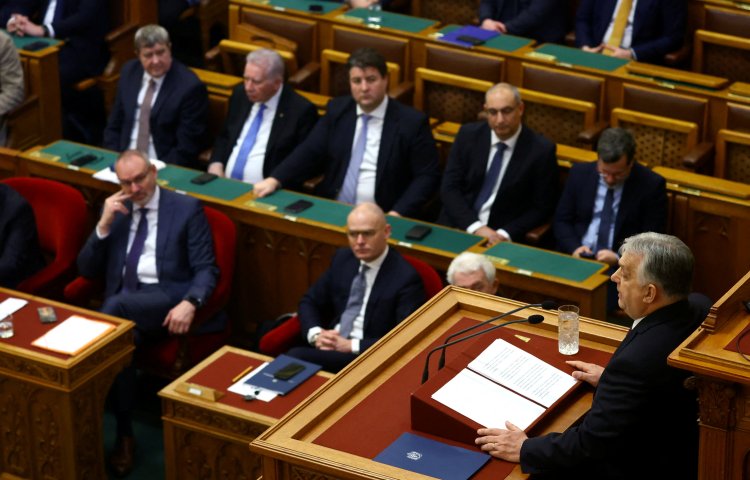
Hungarian elections: CPJ calls on all candidates to commit to 10 key steps to restore press freedom
Ahead of Hungary’s parliamentary elections on April 12, the Committee to Protect Journalists is calling on all political parties to commit to restoring press freedom, starting with 10 priority issues. Hungary’s media landscape has declined severely in the last 16 years under the government of Prime Minister Viktor Orbán. His ruling Fidesz party — which faces…
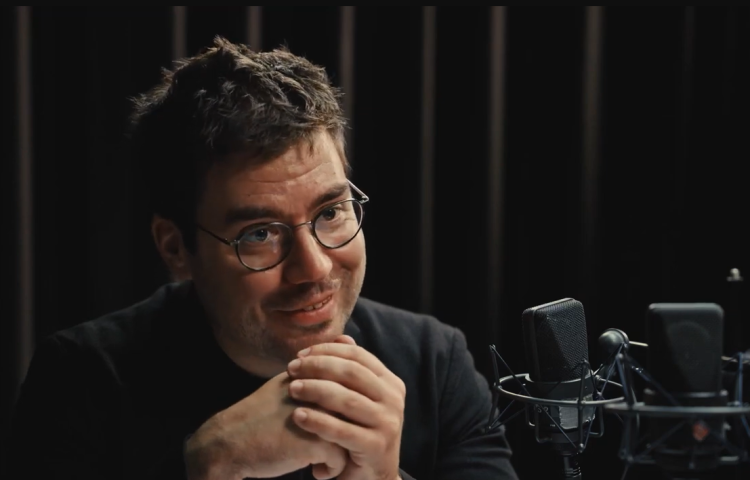
Hungary files espionage charges against investigative journalist Szabolcs Panyi
Berlin, April 1, 2026—The Committee to Protect Journalists calls on Hungarian authorities to immediately drop all espionage charges against investigative journalist Szabolcs Panyi, and ensure that journalists can cover national security issues without intimidation or threats of imprisonment. On March 26, Gergely Gulyás, chief of staff to Prime Minister Viktor Orbán, announced that the government had filed criminal charges against…

Hungary mayor forcibly removes Telex reporters from ruling party campaign event
Berlin, March 16, 2026—The Committee to Protect Journalists calls on Hungarian authorities to swiftly investigate the forcible removal of reporters Judit Presinszky and Nóra Siteri with the news site Telex from a campaign event, and to ensure that journalists can cover election-related events without intimidation or violence. “Telex’s Judit Presinszky and Nóra Siteri being forcibly removed while…

CPJ, partners highlight escalating press freedom threats in Hungary
The Committee to Protect Journalists and partner organizations expressed strong support on Thursday for independent journalists in Hungary and highlighted the country’s escalating media freedom crisis following a one-day mission to Budapest on October 22. In meetings with journalists, media representatives, legal experts, and civil society, the delegation heard concerns about a severely restricted media…

Hungary’s Russian-style ‘foreign agent’ bill threatens remaining independent media
Brussels, May 15, 2025—The Committee to Protect Journalists calls on European Union leaders to unequivocally and immediately condemn Hungary’s proposed “foreign agent” law, which would grant its government sweeping powers to impose restrictions on NGOs, independent media outlets and other organizations receiving foreign funding. Prime Minister Viktor Orbán’s ruling Fidesz party introduced the bill on Tuesday in Parliament…
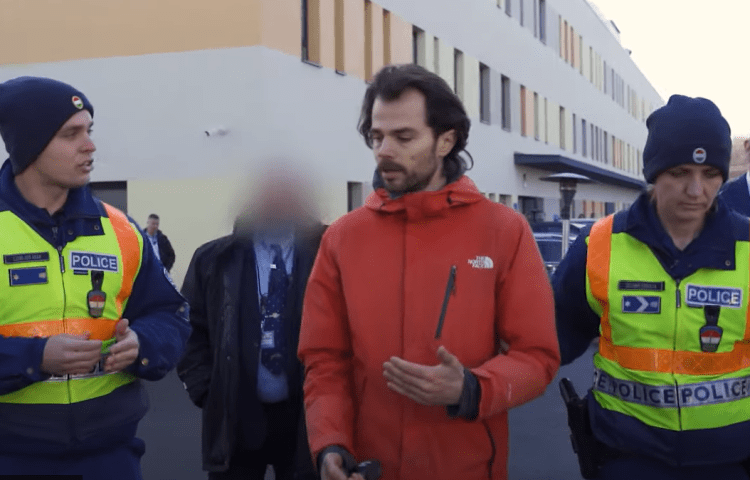
Hungarian authorities detain, charge 2 journalists seeking to question PM Orbán
Berlin, February 3, 2025—Hungarian authorities should immediately drop misdemeanor charges against two journalists who were arrested in a parking lot as they waited to question Prime Minister Viktor Orbán and detained for three hours, the Committee to Protect Journalists said Monday. On January 30, police removed the independent online outlet Telex’s reporter Dániel Simor and…
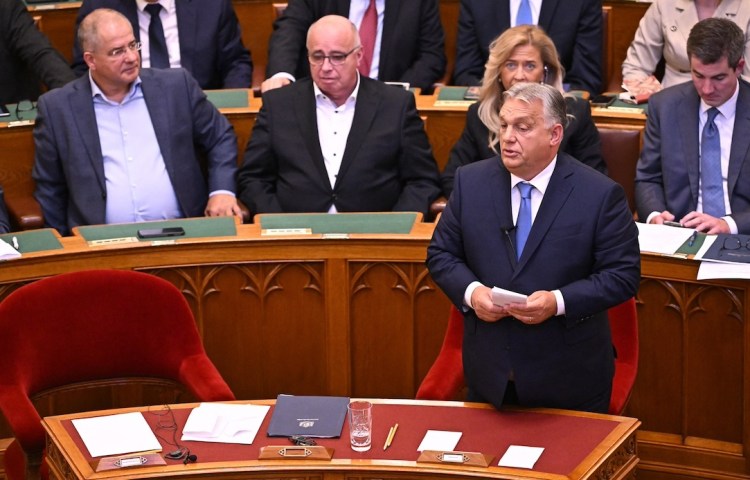
CPJ, others express solidarity with journalists, NGOs targeted by Hungary’s Russian-style Sovereignty Protection Office
Berlin, June 28, 2024—The Committee to Protect Journalists joined nine international press freedom and human rights organizations in expressing solidarity with NGOs Transparency International Hungary and Átlátszó, which Hungary authorities have targeted with investigations. The joint statement urged the European Commission and EU Member States to take immediate and decisive action to protect NGOs and…
Hungary’s Russian-style national sovereignty bill threatens independent media
Berlin, December 15, 2023—Hungary’s president should decline to approve a law creating a Sovereignty Protection Authority, which local media outlets have warned could be used to stifle independent journalism supported by overseas donors, the Committee to Protect Journalists said Friday. On Tuesday, December 12, Hungary’s parliament passed a bill to establish a government authority with…
CPJ welcomes Hungary vote to partially decriminalize defamation
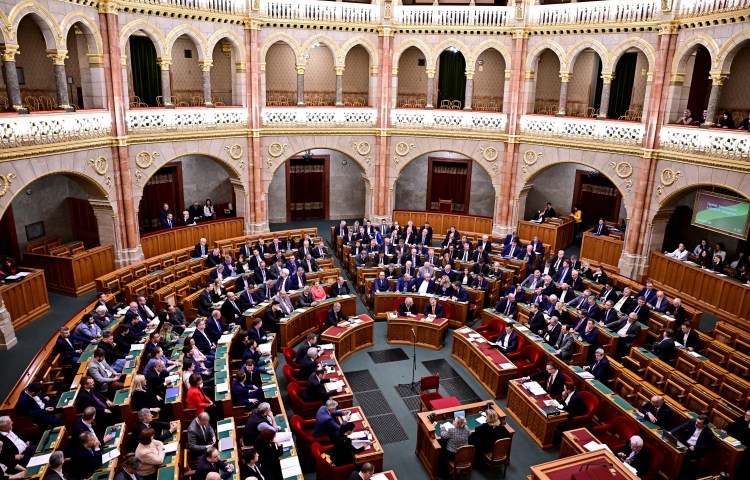
Berlin, May 25, 2023—The Committee to Protect Journalists on Thursday welcomed a recent vote by the Hungarian parliament to partially decriminalize defamation and called on authorities to fully reform laws threatening the press with criminal penalties. “We welcome the decision by Hungary’s parliament to take a step in support of press freedom by partially decriminalizing…