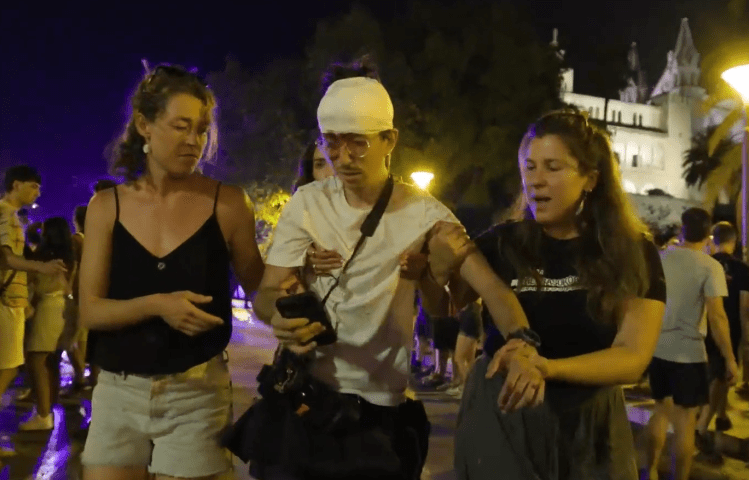
Photojournalist injured by police while covering protest in Spain’s Mallorca
Berlin, July 29, 2026—The Committee to Protect Journalists calls on Spanish authorities to ensure that police forces guarantee the safety of journalists covering protests after freelance journalist Xavi Hurtado was hit by a police officer while covering a demonstration in Palma, Mallorca and left needing hospital treatment for a head wound and bruising. On July…
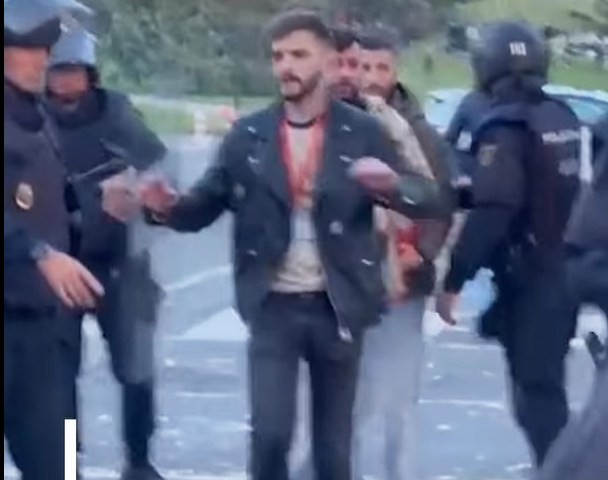
Masked protesters attack Spanish journalist during clashes with police
Berlin, November 3, 2025—The Committee to Protect Journalists urges Spanish authorities to swiftly identify and prosecute those responsible for the attack on reporter José Ismael Martínez while he was covering clashes between police and far-left protesters in Pamplona on October 30 2025. A group of five or six hooded individuals surrounded Martínez as he was…
Spanish journalist Román Cuesta uses video of his assault to identify his assailants
Berlin, September 18, 2025—The Committee to Protect Journalists calls on Spanish authorities to bring those responsible for assaulting journalist Román Cuesta to justice after the veteran investigative reporter identified his suspected assailants using a video of the attack posted online. “The assault on Román Cuesta is a stark reminder of the growing threats facing journalists covering far-right networks in…
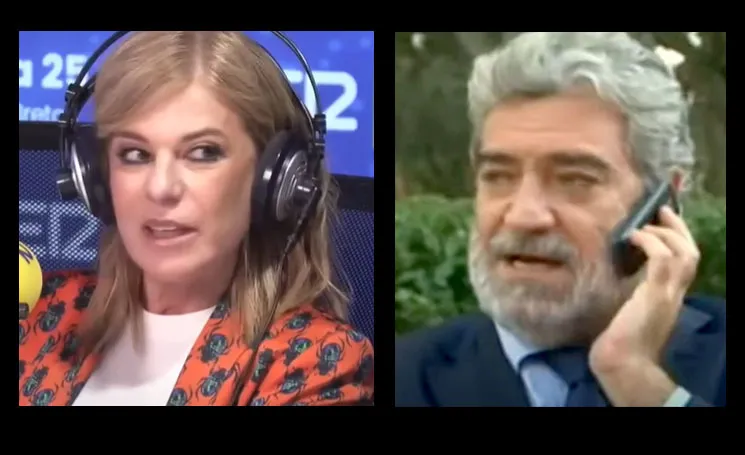
Spanish official threatens and doxxes journalists at 2 news outlets after corruption exposé
Berlin, March 21, 2024—Spanish authorities must conduct a swift, thorough, and transparent investigation into threats against and harassment of elDiario.es news website and El País newspaper and their journalists by an aide to Madrid’s regional president Isabel Díaz Ayuso, after elDiario.es published allegations of corruption involving the conservative leader’s partner, the Committee to Protect Journalists…
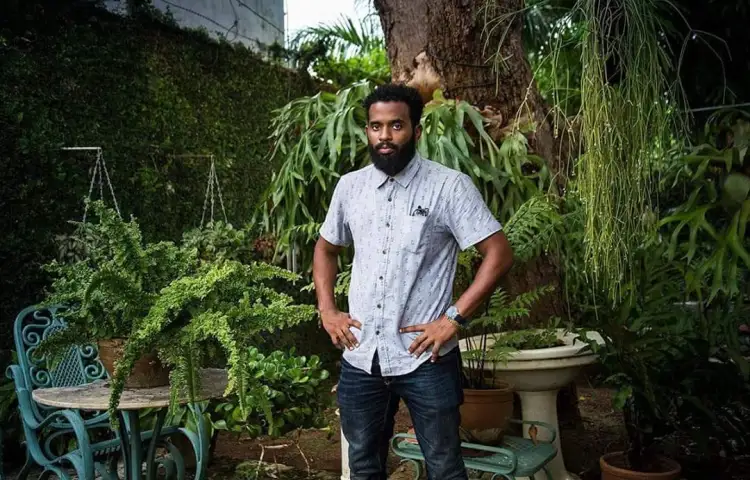
Exiled Cuban journalist Abraham Jiménez Enoa threatened in Spain
São Paulo, July 26, 2023—Spanish authorities must investigate threats made to exiled Cuban journalist Abraham Jiménez Enoa and ensure his and his family’s safety, the Committee to Protect Journalists said Wednesday. On Tuesday, July 25, two unidentified men with Cuban accents threatened Jiménez as he was walking home with his two-year-old son in Barcelona, according…
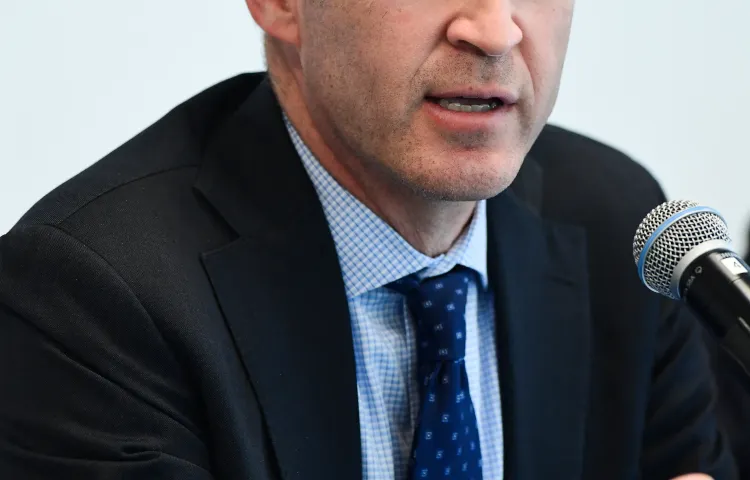
David Kaye: Here’s what world leaders must do about spyware
In late June, the general counsel of NSO Group, the Israeli company responsible for the deeply intrusive spyware tool, Pegasus, appeared before a committee established by members of the European Parliament (MEPs). Called the PEGA Committee colloquially, the Parliament established it to investigate allegations that EU member states and others have used “Pegasus and equivalent…
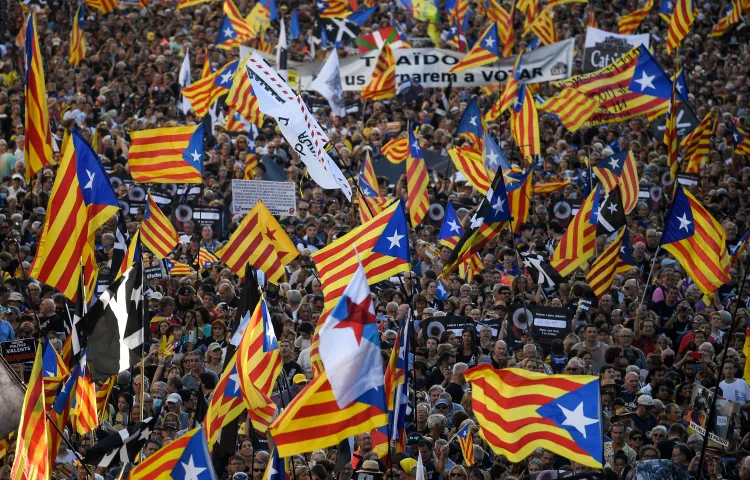
Protesters attack freelance video journalist Lorena Sopena in Barcelona
Berlin, September 22, 2022 – Spanish authorities should swiftly and thoroughly investigate the attack on freelance video journalist Lorena Sopena, bring the perpetrators to justice, and ensure that journalists can cover protests safely, the Committee to Protect Journalists said Thursday. On September 10, Sopena was filming a Catalan pro-independence demonstration in Barcelona for Spanish public…
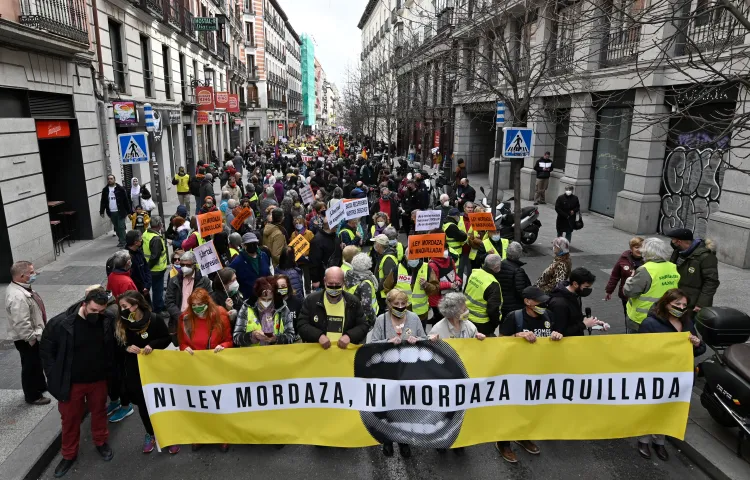
Spain is set to reform ‘gag law,’ but press freedom groups are skeptical
In May, Diego Díaz Alonso, editor of Spanish non-profit news outlet Nortes, was surprised to receive a 601 euro (US$611) fine in the mail. The letter claimed that Díaz Alonso had resisted police and obstructed emergency services as they were treating a homeless person lying unconscious in the street in Gijón, in northern Spain, the previous summer….
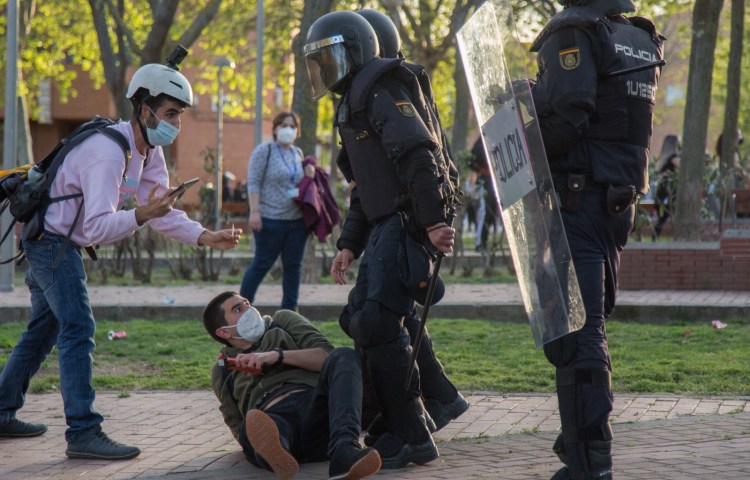
Spanish court orders investigation of 4 journalists over testimony in police abuse case
Berlin, February 23, 2022 – Spanish authorities should drop their criminal investigations into four journalists over their coverage of alleged police abuses, and should ensure that members of the press do not face criminal charges over their work, the Committee to Protect Journalists said Wednesday. On February 16, the Provincial Court of Madrid acquitted a…
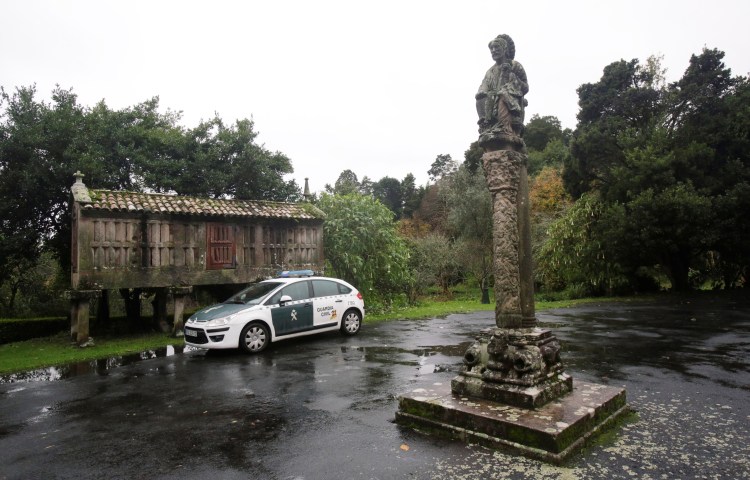
Spanish judge demands journalist Ignacio Escolar reveal his sources in a leak investigation
Berlin, October 26, 2021 — Spanish authorities must drop their demand for journalist Ignacio Escolar to reveal his news site’s sources in a leak investigation, the Committee to Protect Journalists said today. On October 5, 2021, the first instance investigative criminal court No. 29 of Madrid, presided by investigating judge María Cristina Díaz, gave Ignacio…