CPJ submission to UN documents series of journalist jailings, secretive trials, torture claims in Tajikistan
New York, April 17, 2026—The Committee to Protect Journalists has submitted a report on the state of press freedom in Tajikistan to the United Nations Human Rights Council ahead of November’s 53rd Universal Periodic Review (UPR) session. The submission details a significant deterioration of media freedom — in what was already one of the world’s most restrictive environments…

Tajik journalist Ahmad Ibrohim sentenced to 10 years in prison
New York, January 13, 2025—A court in Tajikistan’s southern city of Kulob on January 10 sentenced Ahmad Ibrohim, chief editor of the independent weekly newspaper Payk, to 10 years in prison on charges of bribery, extortion, and extremism. The closed-door trial was held in the city’s pretrial detention center, with authorities reportedly classifying the case…
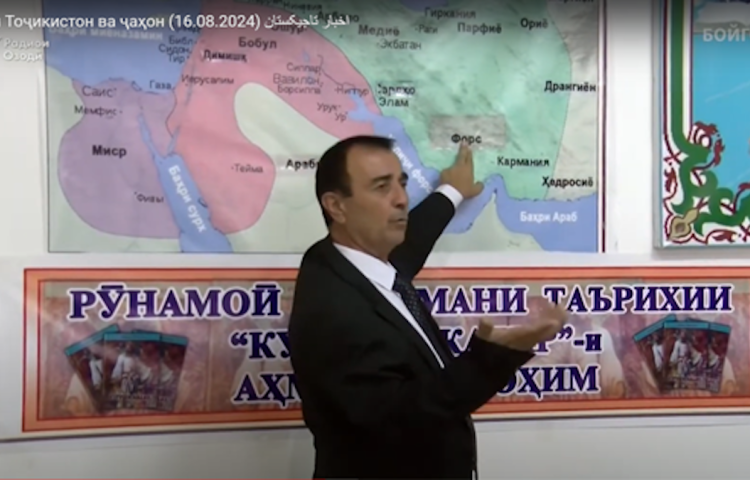
Tajikistan journalist Ahmad Ibrohim arrested on bribery charges
New York, August 19, 2024—The Committee to Protect Journalists calls on Tajikistan’s authorities to drop bribery charges against Ahmad Ibrohim, chief editor of the independent weekly newspaper Payk, who was arrested August 12. “Following the wave of lengthy convictions against journalists in Tajikistan since 2022, the arrest of Ahmad Ibrohim is yet another reminder of…
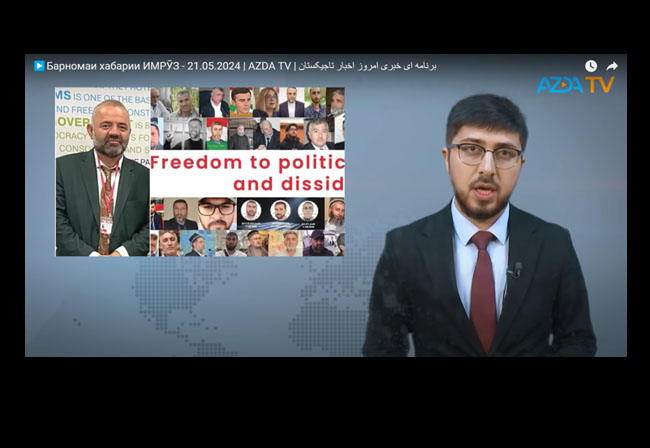
CPJ calls on Tajikistan authorities to stop harassing relatives of exiled journalists
Stockholm, May 24, 2024—Tajikistan authorities must end their harassment of family members of journalists with independent Europe-based broadcaster Azda TV and allow exiled journalists to work without fear of reprisal, the Committee to Protect Journalists said Friday. Since late last year, Tajik law enforcement agencies have repeatedly summoned, interrogated, and threatened relatives of five Azda…
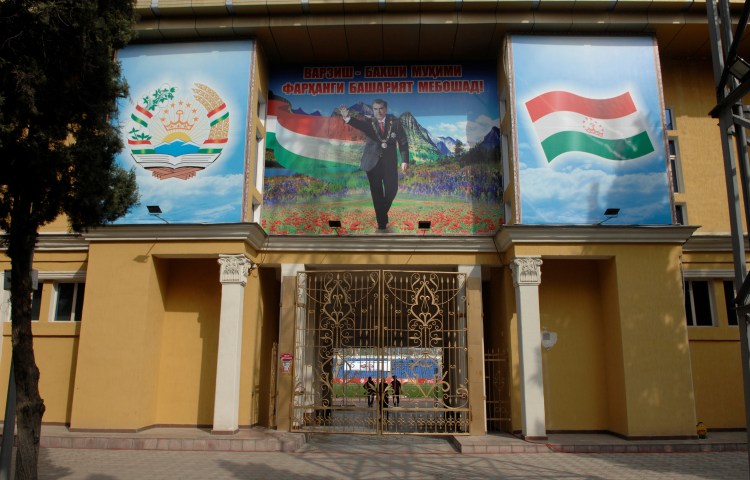
In Tajikistan, independent media throttled by state repression
Giant portraits of President Emomali Rahmon adorn even the most nondescript buildings in Tajikistan’s capital of Dushanbe. Throughout the country, his sayings are featured on posters and billboards. Their ubiquitous presence underscores the consolidation of power by Rahmon – officially described as “Founder of Peace and Unity, Leader of the Nation” – since he emerged…
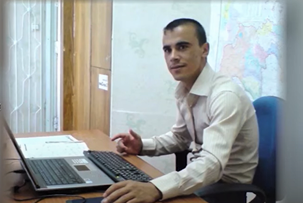
Tajikistan court rejects journalist Khurshed Fozilov’s appeal of 7-year sentence
Stockholm, August 15, 2023—In response to a Tajikistan court’s recent rejection of journalist Khurshed Fozilov’s appeal of a seven-year prison sentence, the Committee to Protect Journalists issued the following statement calling for his immediate release: “Tajik authorities’ rejection of journalist Khurshed Fozilov’s appeal serves to highlight how the courts have facilitated the criminalization of the…
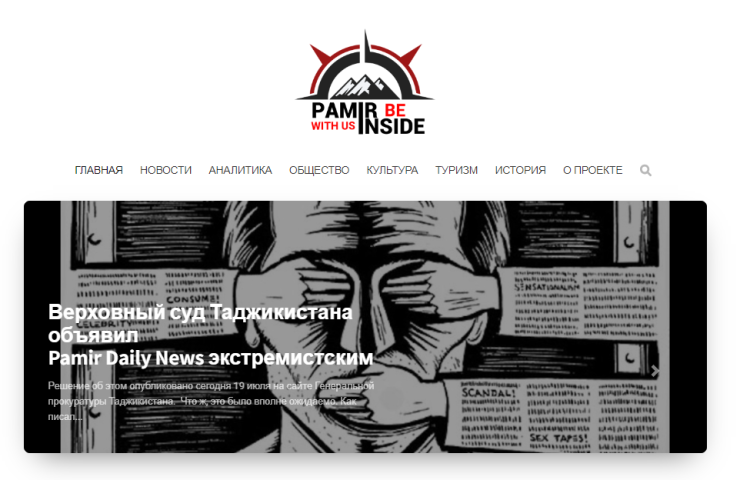
Tajikistan bans Pamir Daily News as ‘extremist organization’
Stockholm, July 20, 2023 – In response to the July 19 announcement that the Supreme Court of Tajikistan banned the independent news website Pamir Daily News and classified it as an “extremist organization,” the Committee to Protect Journalists issued the following statement of condemnation: “Tajik authorities’ move to ban Pamir Daily News and smear it…
Tajik journalist Khurshed Fozilov detained on extremism charges
Stockholm, March 17, 2023 – Tajik authorities should release journalist Khurshed Fozilov and stop prosecuting journalists in retaliation for their work, the Committee to Protect Journalists said Friday. On March 6, officers of the State Committee for National Security in the western city of Panjakent detained Fozilov, a freelance journalist, according to news reports. Authorities…
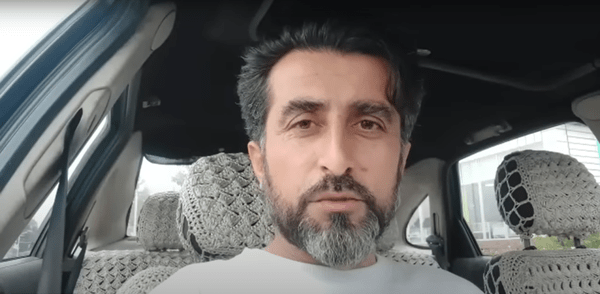
Tajik journalist Abdusattor Pirmuhammadzoda sentenced to 7 years in prison
Stockholm, December 28, 2022 – In response to news reports that Tajikistan authorities recently sentenced journalist Abdusattor Pirmuhammadzoda to seven years in prison, the Committee to Protect Journalists issued a statement on Wednesday condemning the ruling: “The trial of Abdusattor Pirmuhammadzoda, like the trials of five other journalists recently sentenced to lengthy prison terms on…
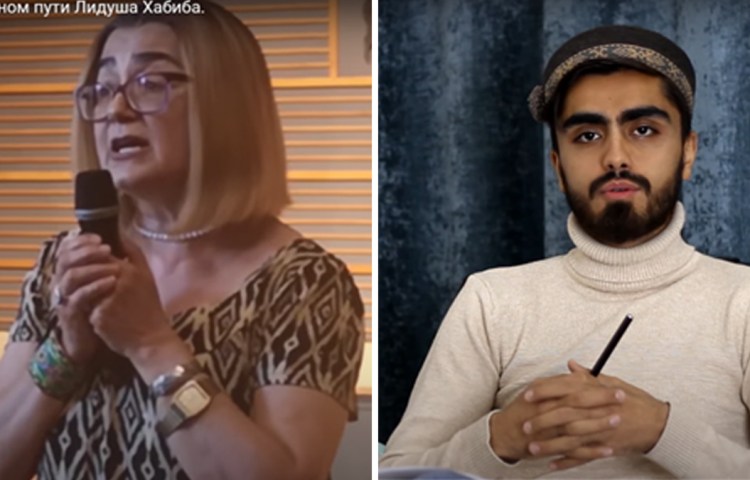
Tajikistan authorities sentence 2 journalists to lengthy prison terms
New York, December 13, 2022 – Tajik authorities should immediately release journalists Khushruz Jumayev and Ulfatkhonim Mamadshoeva, and stop imprisoning members of the press for their work, the Committee to Protect Journalists said Tuesday. The Tajikistan Supreme Court recently convicted Jumayev, a journalist and blogger who works under the name Khushom Gulyam, of membership in…