
The high price journalists paid for LGBTQ+ reporting, and how to protect yourself now
As LGBTQ+ communities celebrate Pride this June, many journalists continue to face an ugly reality: simply reporting on this community can open them up to prosecution, physical attacks, threats, arrest, exile, and even death. Avijit Roy, a Bangladeshi-born American who blogged about LGBTQ+ rights and free expression, was stabbed to death alongside his wife after…

CPJ, partners express urgent concern to NATO over press accreditation denial for Turkey summit in July
The Committee to Protect Journalists joined the International Press Institute and other press freedom and human rights organizations in expressing concern over the denial of accreditation to Turkish journalists hoping to cover NATO’s summit in Ankara, Turkey on July 7-8. Dozens of Turkish journalists, including staff from independent media outlets Halk TV, Sözcü TV, Nefes,…
CPJ joins 15 other organizations urging Turkey to release reporter İsmail Arı
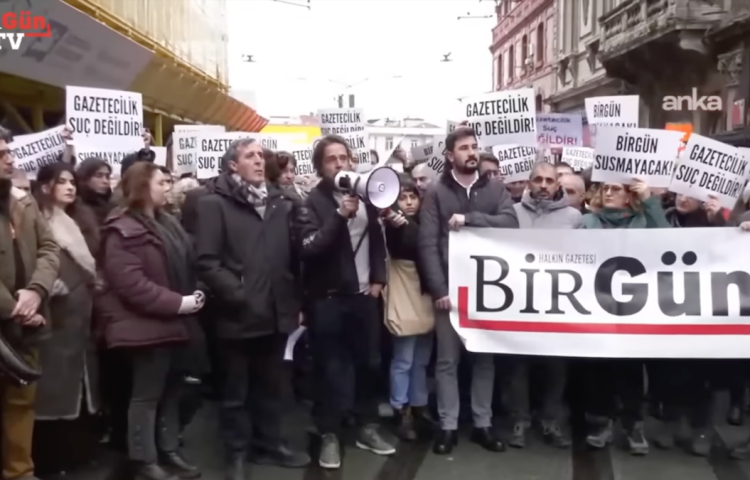
The Committee to Protect Journalists joined 15 other press freedom and human rights organizations Thursday in calling on Turkish authorities to release İsmail Arı, a reporter for the leftist daily BirGün, who has been in detention since March 21. His trial will begin in Ankara on June 5. Arı was indicted in mid-May on charges…
Journalist Yelis Ayaz arrested in Turkey for ‘spreading disinformation’
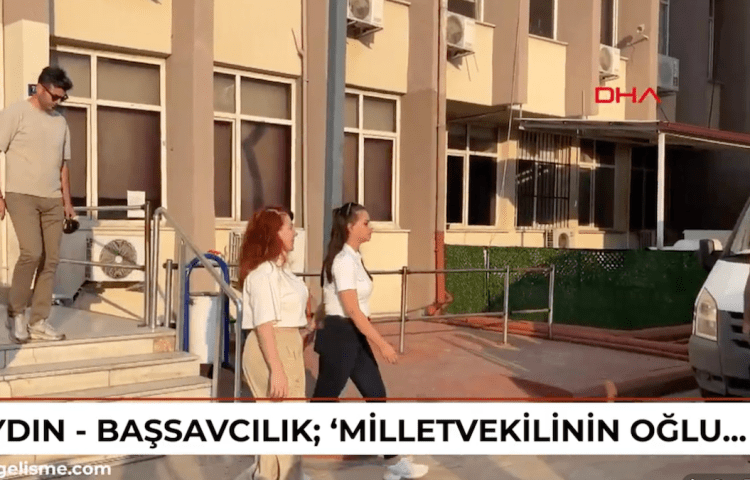
Istanbul, May 20, 2026—Turkish authorities must release journalist Yelis Ayaz without delay and stop punishing journalists for doing their jobs, the Committee to Protect Journalists said Wednesday. Ayaz, publisher and editor-in-chief for the local newspaper Aydınpost in the western province of Aydın, was arrested pending trial by a court on May 15 on suspicion of…
CPJ joins call for Turkey to repeal disinformation law for its use against journalists
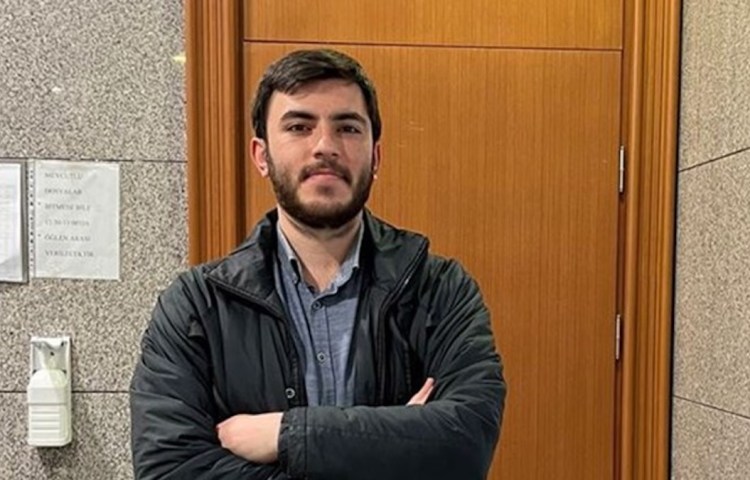
The Committee to Protect Journalists joined 22 press freedom and human rights organizations in an April 28 joint statement condemning Turkey’s frequent use of its disinformation law for prosecuting and imprisoning journalists. The signatories urged the Turkish authorities to release all journalists imprisoned under this law and ultimately repeal it. “Turkey’s disinformation law is structurally…
Journalist Mehmet Yetim arrested in Turkey for ‘spreading disinformation’
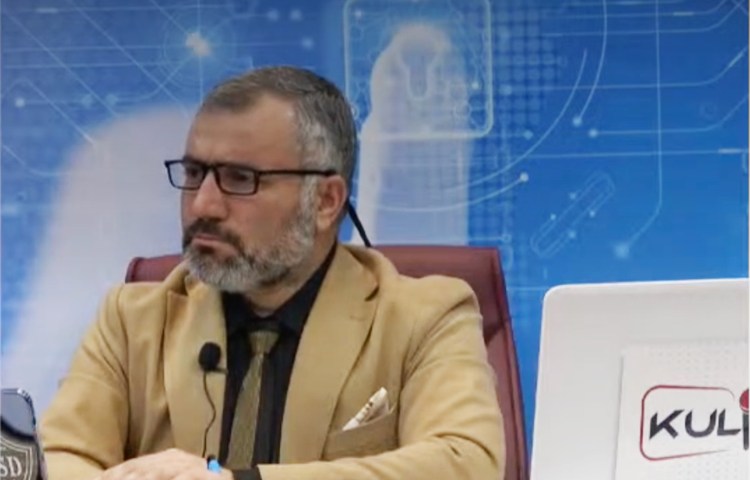
Istanbul, April 21, 2026—Turkish authorities must stop their improper and excessive use of the country’s disinformation law against journalists because of their work, the Committee to Protect Journalists said Tuesday. Police took Mehmet Yetim, editor-in-chief of the local broadcaster Kulis TV, in the southeastern province of Şanlıurfa, into custody in the early hours of April 18. On April…
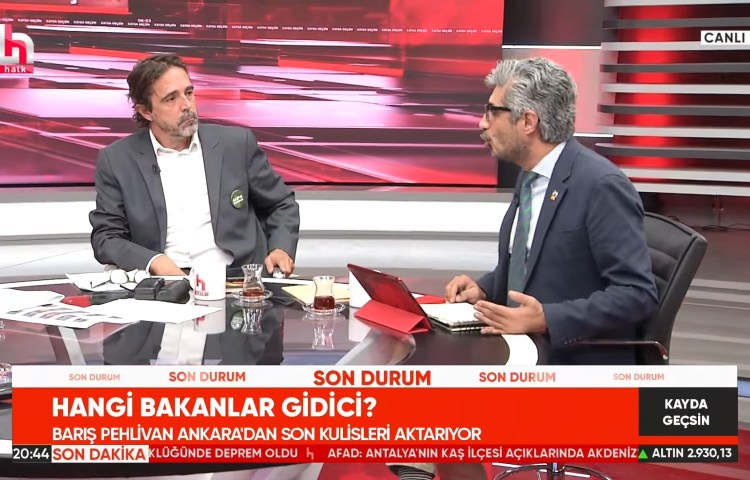
Courts in Turkey sentence four journalists for critical commentary
Istanbul, April 15, 2026—Turkish authorities must stop harassing critical journalists, the Committee to Protect Journalists said Wednesday. Zafer Arapkirli (of the leftist daily BirGün and BirGün TV), Barış Pehlivan (of the pro-opposition daily Cumhuriyet, and the Onlar TV YouTube channel), Timur Soykan (BirGün, Onlar TV), and Murat Ağırel (Cumhuriyet, Onlar TV) were sentenced to prison by two Istanbul courts in…
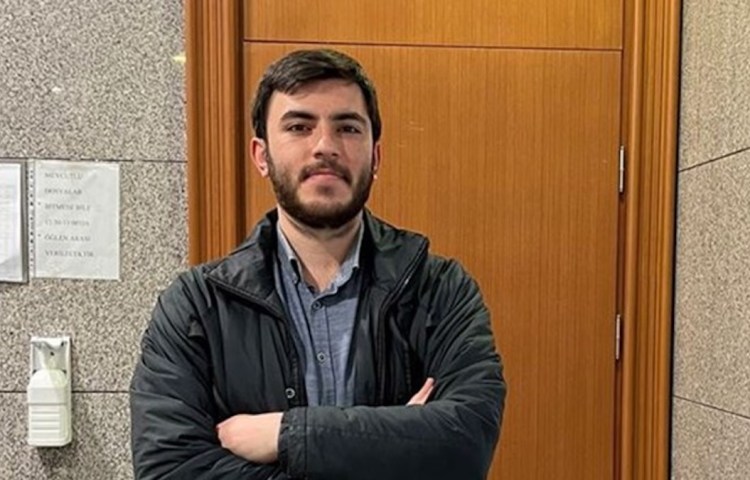
CPJ, partners call for release of Turkish journalist İsmail Arı
The Committee to Protect Journalists joined eight other local and international press freedom and human rights organizations in calling on Turkish authorities to release daily BirGün reporter İsmail Arı, who was arrested pending trial last week. Arı’s arrest was based on a 2022 disinformation law that introduced prison sentences of up to three years for…
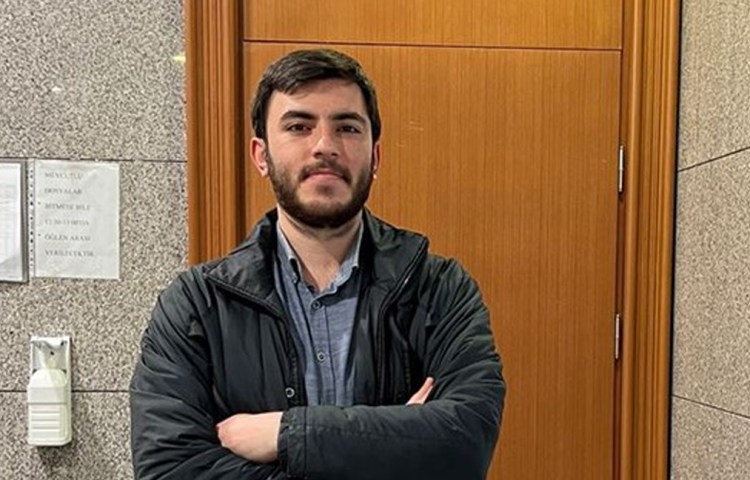
Reporter İsmail Arı imprisoned in Turkey for spreading ‘disinformation’
Istanbul, March 23, 2026—Turkish authorities must immediately release journalist İsmail Arı and stop misusing the disinformation law, the Committee to Protect Journalists said Monday. Arı, a reporter for the leftist daily BirGün, was taken into custody in the northern province of Tokat, where he was visiting family on March 21. He was taken to Ankara the…
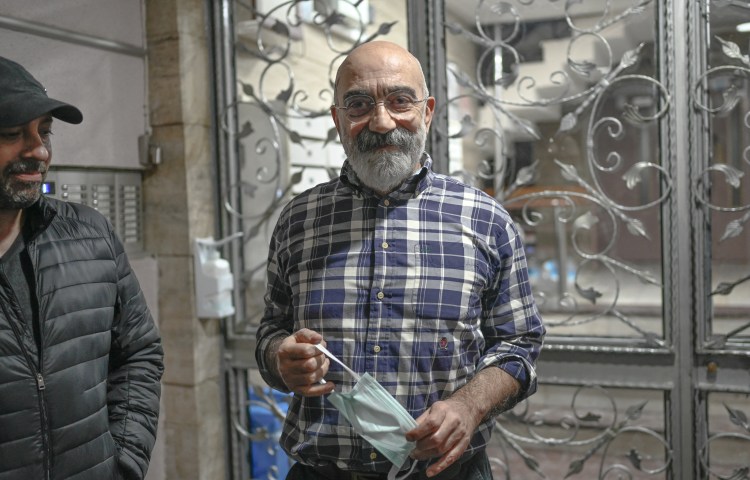
Veteran Turkish journalists Ahmet Altan and Nazlı Ilıcak sentenced to prison
Istanbul, March 16, 2026—The Committee to Protect Journalists urged the Turkish authorities on Monday not to fight the appeals of veteran journalists Ahmet Altan and Nazlı Ilıcak. An Istanbul court found Altan, the former editor-in-chief of the defunct liberal daily Taraf, and Ilıcak, a former host for the defunct Can Erzincan TV, guilty of “aiding a [terrorist] organization without being…