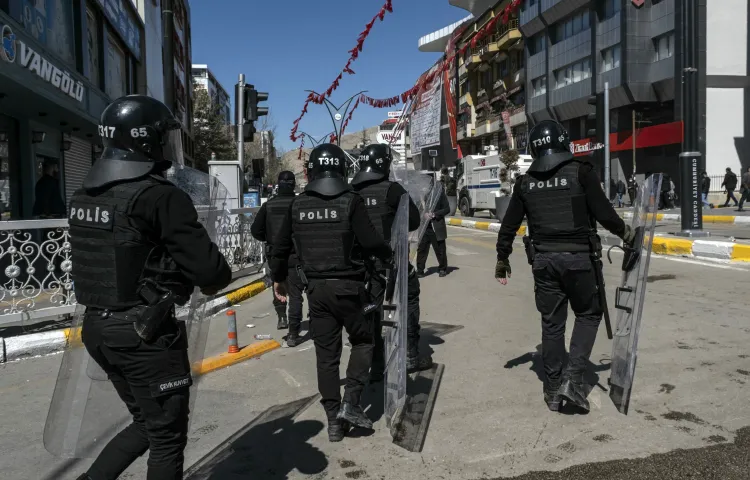
Turkish authorities attack, threaten, arrest several journalists during post-election unrest
Istanbul, April 5, 2024—Turkish authorities should allow media and journalists to do their jobs, and investigate reports of journalists being attacked by security forces and threatened online for their election reporting, the Committee to Protect Journalists said Friday. After Sunday’s local elections, Turkey’s highest election authority, the Supreme Election Council (YSK), rescinded the victory of a pro-Kurdish Peoples’ Equality and Democracy Party (DEM)…
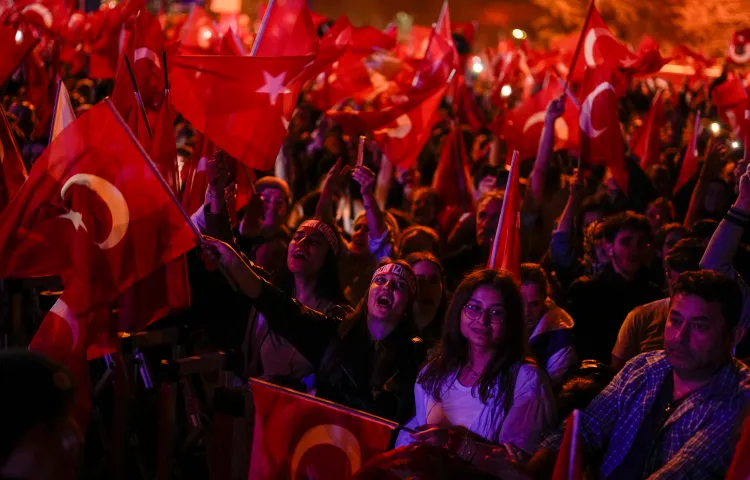
Turkish journalists shot at, banned from observing vote count in local elections
Istanbul, April 2, 2024—Turkish authorities must not disregard the news media’s legally protected right to observe the election process and must investigate the armed attack on a group of journalists in Diyarbakır, the Committee to Protect Journalists said Tuesday. On Sunday’s election day, the High Board of Elections (YSK) banned reporters from observing the votes…
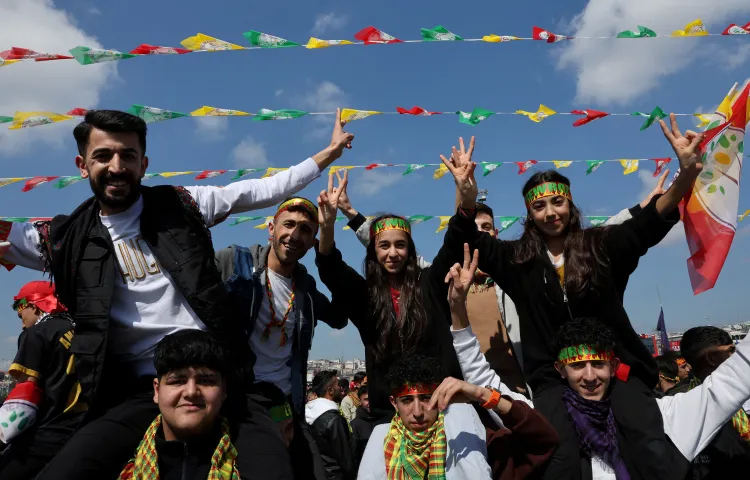
Istanbul police harass reporters at Kurdish Newroz celebration
Istanbul, March 19, 2024 – The Committee to Protect Journalists urges Turkish authorities to investigate reports of police harassment of three reporters during Kurdish spring Newroz celebrations in Istanbul on Sunday. On Sunday, March 17, Police officers in Istanbul harassed at least three reporters in two separate incidents while they were covering a mass arrest…
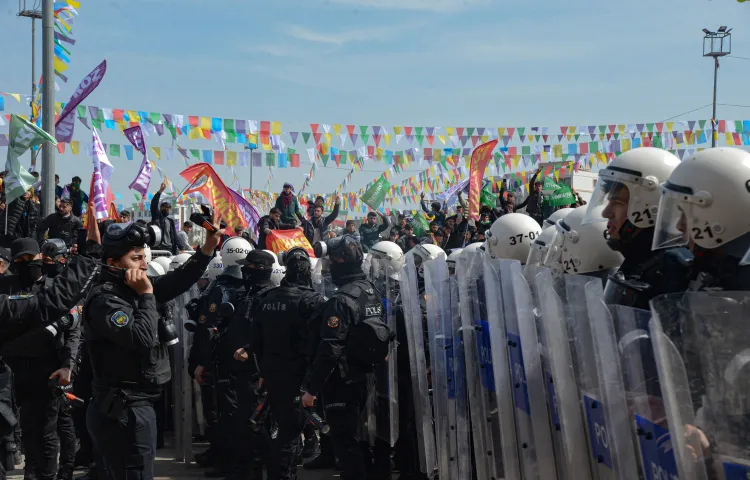
Turkish police hold 3 journalists for 3 days on suspicion of ‘financing terrorism’
Istanbul, March 1, 2024—Police raided the homes of three Kurdish journalists and detained them for three days in a February incident that appears to be part of an ongoing trend of systemic harassment by Turkish authorities. Several journalists working for pro-Kurdish outlets have been arrested over the past 12 months including journalists Dicle Müftüoğlu and…
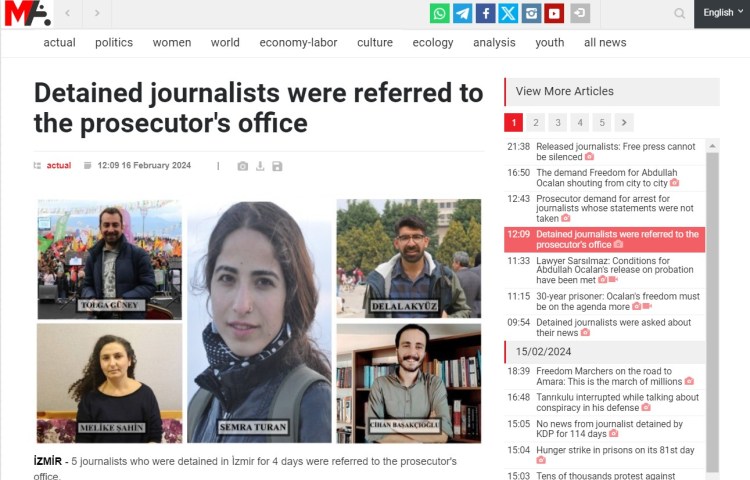
Turkey puts 5 journalists under house arrest or judicial control
Istanbul, February 16, 2024—The Committee to Protect Journalists urges Turkish authorities to cancel the house arrests under electronic tagging and judicial controls placed on five journalists and to stop equating journalism with terrorism. On Tuesday, police raided the homes of five reporters and took them into custody in the western city of Izmir, according to news reports….
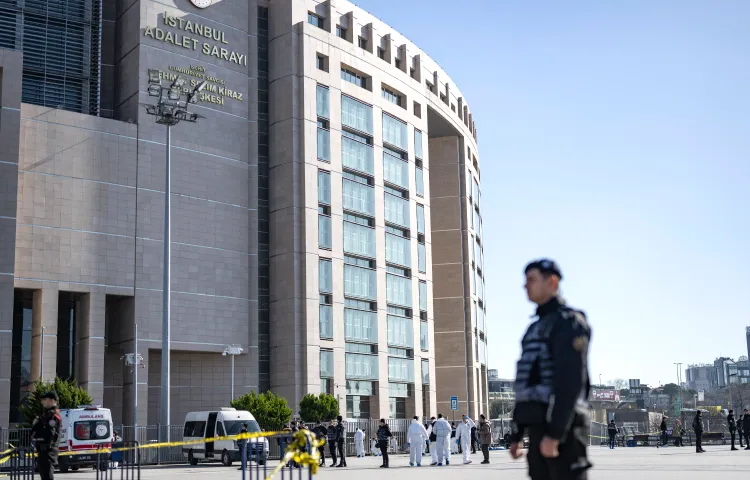
Three Turkish journalists found guilty of aiding terrorist organization ‘without being a member’
Istanbul, February 15, 2024—The Committee to Protect Journalists urges Turkish authorities not to fight the appeals of journalists Ahmet Altan, Nazlı Ilıcak, and Fevzi Yazıcı and ensure that members of the press are not subject to judicial harassment. The 26th Istanbul Court of Serious Crimes found the three journalists guilty of “assisting a [terrorist] organization…
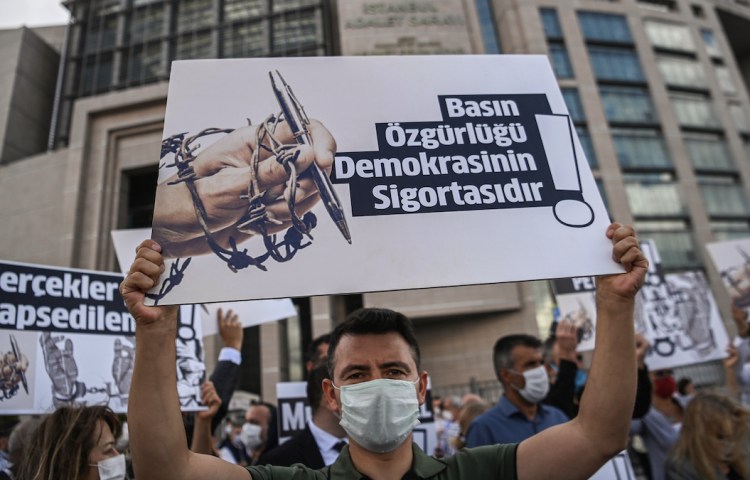
Drop in jailed Turkish journalists belies a long-simmering press freedom crisis
In CPJ’s 2023 annual prison census, Turkey was the world’s 10th worst jailer of journalists—its most press-friendly ranking in almost a decade—with 13 behind bars, down from 40 the previous year. But the latest numbers don’t tell the full story. Turkey has consistently vied with China for the top slot in CPJ’s list of shame…
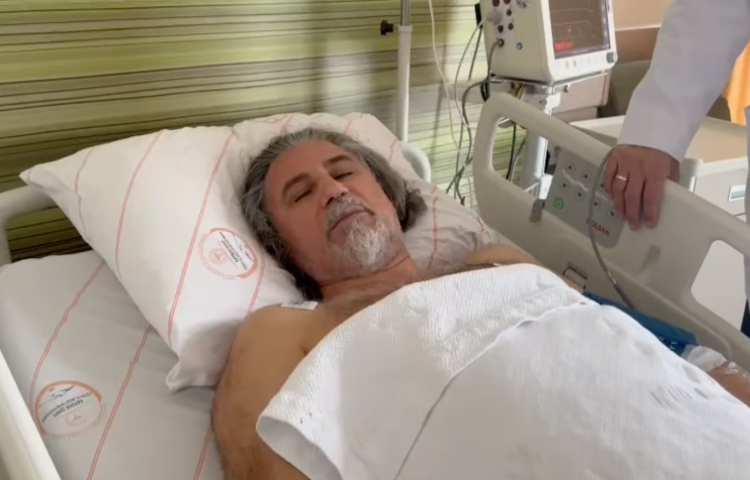
Turkish journalist Azim Deniz shot, wounded in Kayseri
Istanbul, February 6, 2024—The Committee to Protect Journalists urged the Turkish authorities to thoroughly investigate Monday’s shooting and wounding of journalist Azim Deniz and determine whether he was targeted for his work. “We are very glad journalist Azim Deniz survived a despicable attack, and it is a positive development that the alleged shooter was quickly…
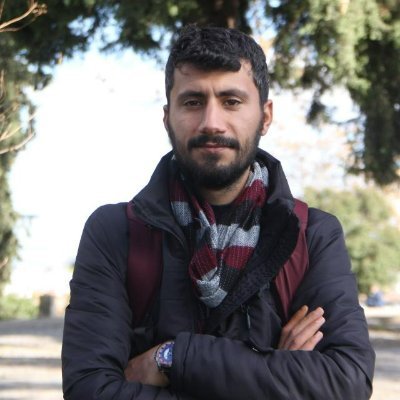
Turkish journalist Mahmut Altıntaş detained, says police beat him
Istanbul, February 1, 2024 – Turkish authorities must stop the country’s security forces from harassing the press and investigate accusations by Mahmut Altıntaş, a reporter for the pro-Kurdish Mezopotamya News Agency, that police beat him in detention, the Committee to Protect Journalists said Thursday. Police in the eastern province of Adıyaman took Altıntaş into custody…

Turkish journalist Sinan Aygül convicted for ‘insulting’ men who beat him; attackers get suspended sentences
Istanbul, January 25, 2024 – The Committee to Protect Journalists on Thursday called on Turkish authorities to ensure justice in the case of journalist Sinan Aygül, who was hospitalized by an assault last year. The 1st Tatvan Court of First Instance in the eastern province of Bitlis found Aygül, chief editor of the privately owned…