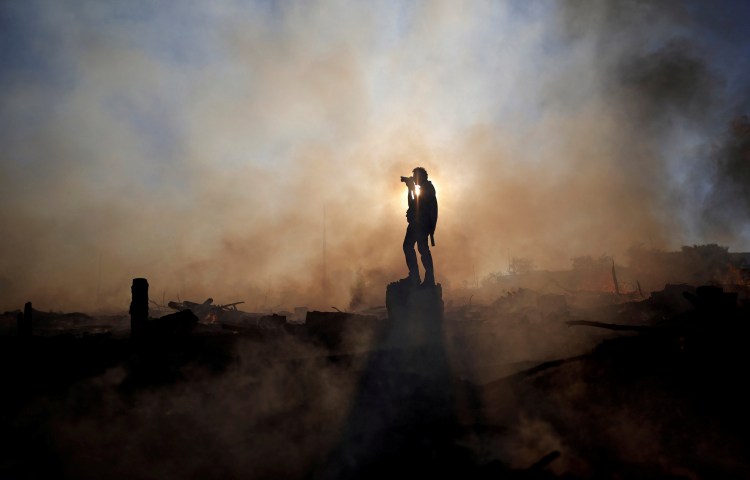
Defending press freedom
When CPJ was founded in 1981, it was to defend the rights of journalists all over the world. Today, we are recognized as a leader in the global fight to protect press freedom.
CPJ documented the release of more than 200 journalists from behind bars in 2023. Journalism is not a crime and we advocate at the highest levels of government to secure the release of journalists jailed for doing their jobs.
Since 2019, CPJ’s journalist assistance fund has grown five-fold to $1,000,000 a year—illustrating a growing need for emergency assistance. We provide safety advice, help with relocation, assistance for medical or psychosocial needs, legal support, and more. Last year, we provided assistance to 583 journalists in at least 59 countries.

How CPJ helps jailed journalists
CPJ’s 2024 imprisoned journalists’ data illustrates how arbitrary prison sentences handed down in connection with journalistic work can become a years-long nightmare. Globally, incarcerated journalists routinely face harsh conditions—including lack of access to medical care, food, hygiene products, and water—along with loss of vital emotional support because long, often expensive journeys make it difficult for…
CPJ Insider: Summer 2024 edition
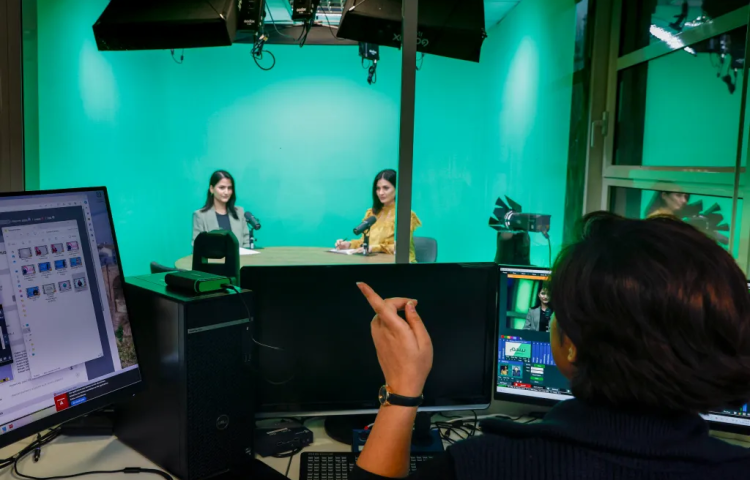
World Refugee Day: CPJ’s Lucy Westcott on journalists in exile For World Refugee Day on Thursday, June 20, CPJ highlighted the plight of journalists forced to flee their home countries due to threats, violence, and repression. As a growing number of journalists are being exiled, many face ongoing dangers even after they have reached safety….
CPJ Insider: June edition
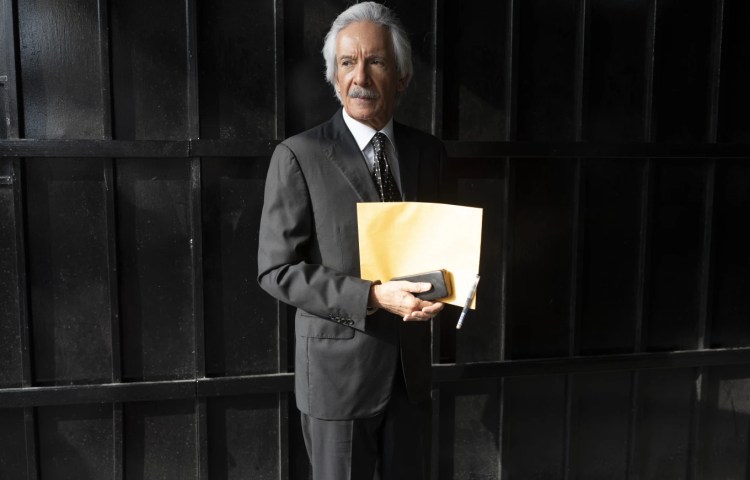
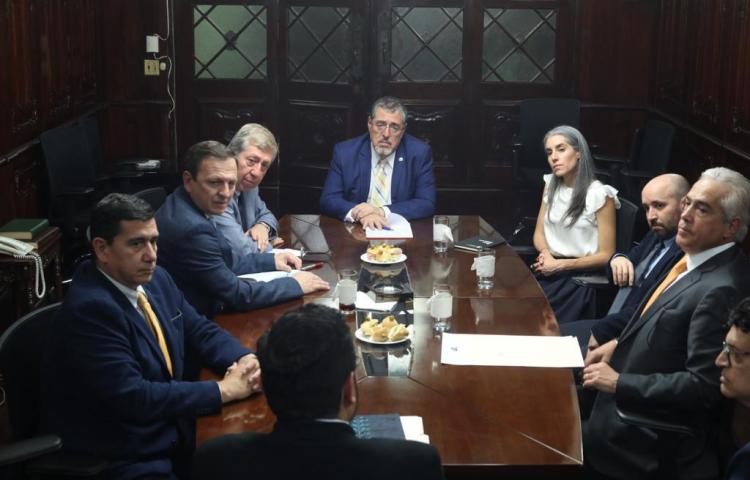
CPJ welcomes journalist releases, calls for all charges to be dropped Earlier this year, CPJ went to Guatemala to advocate for journalist José Rubén Zamora’s release from prison. While there, we met with newly elected Guatemalan President Bernardo Arévalo and discussed opportunities for his administration to improve the country’s press freedom record. After a court…
CPJ Insider: World Press Freedom Day edition
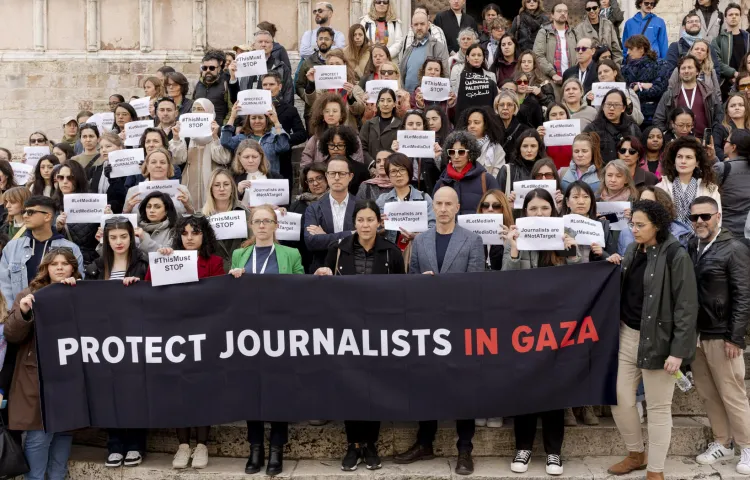
May 3 marks World Press Freedom Day Press freedom is your freedom. This year, as half the world heads to the polls, as protest movements grow, and as climate risks intensify, we need journalists and journalism more than ever. Keeping journalists safe ensures that we can make informed decisions in a rapidly changing world. We…
CPJ Insider: April edition
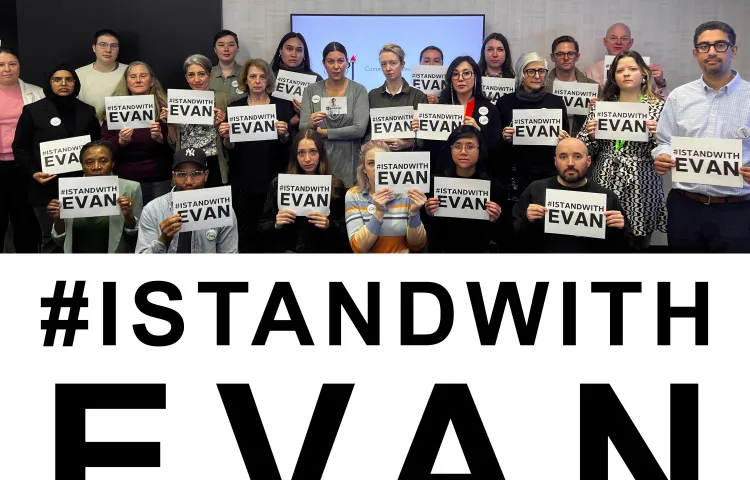
CPJ staff recognize imprisoned journalist Evan Gershkovich It has been a year since Russia detained Wall Street Journal reporter Evan Gershkovich during a reporting trip and falsely accused him of espionage. CPJ staff gathered in recognition of his imprisonment to renew calls for his immediate release as he faces up to 20 years in a…
CPJ Insider: March edition
Q&A on jailed publisher José Rubén Zamora with CPJ Program Director Carlos Martínez de la Serna It has been over a year and a half since publisher and journalist José Rubén Zamora was imprisoned in Guatemala. In this time, eight journalists have come under investigation for their reporting on Zamora’s case and nearly two dozen…

CPJ Insider: February edition
PRESS Act passes U.S. House unanimously in a win for press freedom The PRESS (Protect Reporters from Exploitative State Spying) Act, which unanimously passed in the U.S. House of Representatives on January 19, would create federal protections for journalists’ sources by restricting law enforcement’s ability to access a journalist’s private reporting material and digital records….
CPJ Insider: New Year edition
Your support helped sustain our work last year—thank you! Your life-saving support in 2023 helped sustain CPJ’s work and mission at a particularly difficult time for journalists. Thank you for being our partner and friend–standing with us throughout the year to champion our right to be informed. Last year, CPJ documented the release of more…
CPJ Insider: December edition
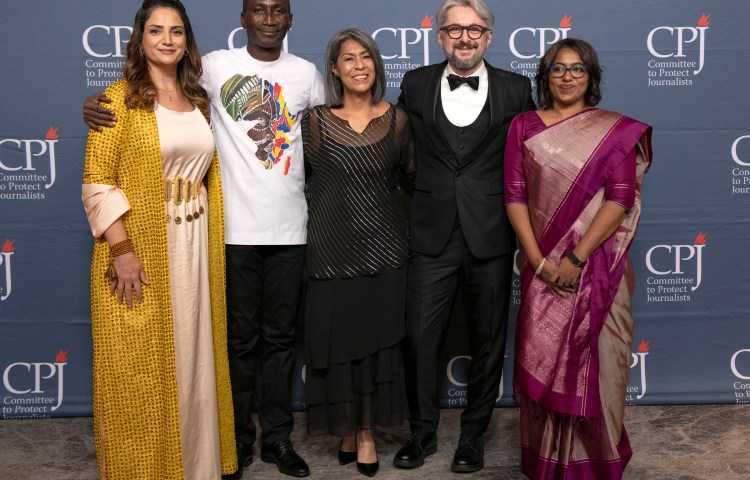
CPJ honors courageous journalists fighting repression worldwide CPJ held its 33rd annual International Press Freedom Awards (IPFA) in New York City, helping raise a record-breaking $2.8 million to protect journalists around the world. Our 2023 awardees faced government crackdowns, kidnapping, exile, and the rising criminalization of their work. They included Georgian journalist Nika Gvaramia, Indian…