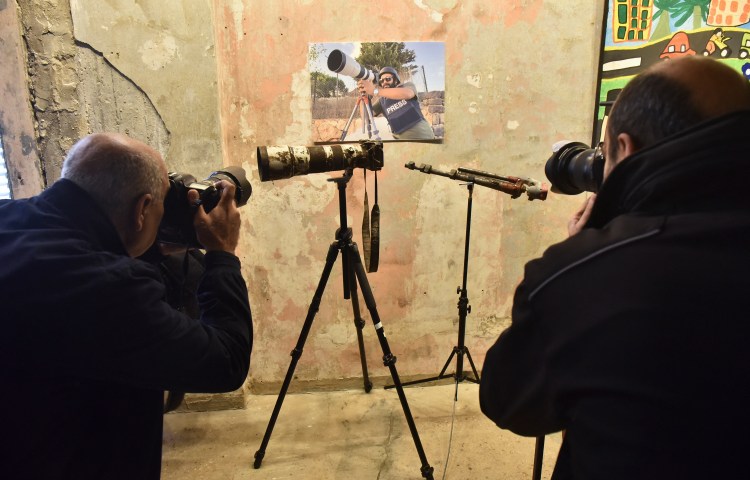
‘I do not feel safe’: The cost of 3 years of Israeli impunity for journalists in Lebanon
When visual journalist Ahmed Chihadeh came under Israeli fire in January 2025 while covering the return of displaced residents to the southern Lebanese town of Houla, he removed his press vest and hid his camera. “After what happened to my colleagues, and after seeing that there has still been no justice for those who were…
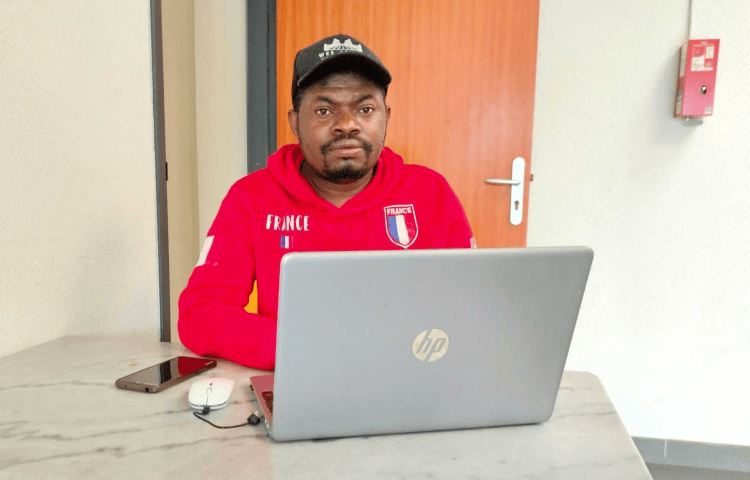
Criminal defamation threat hangs over dozens of Angolan journalists ahead of 2027 vote
In 2025, Angolan journalist Daniel Frederico fled his home country for fear that he would be jailed for defamation for an article that he did not write. His fears were realized on October 2, 2026, when he was given a 14-month sentence, despite his absence, for a 2022 report written and published by another media…
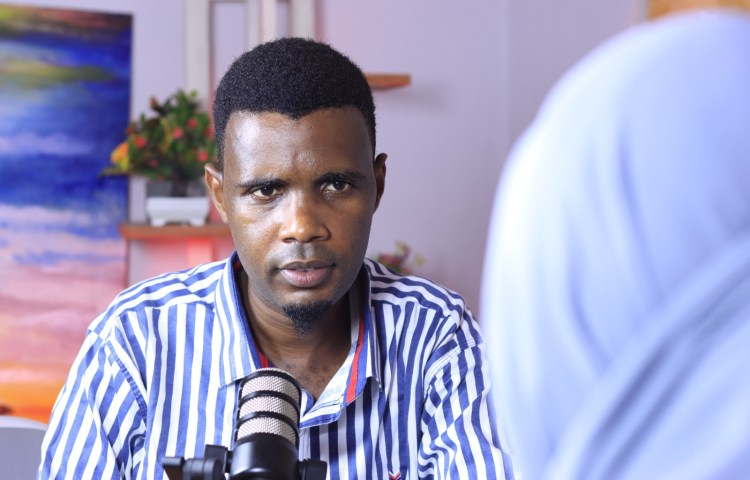
How a Somali journalist tried to fix regional president’s Facebook page — and spent 38 days in jail
It’s been a month since journalist Mascuud Warsame was freed from a detention facility in the Somali capital, Mogadishu, but his memories of the harrowing experience are still vivid. He remembers trying to sleep in a tiny room where the lights were kept on most of the night, his stomach pains and acid reflux from…
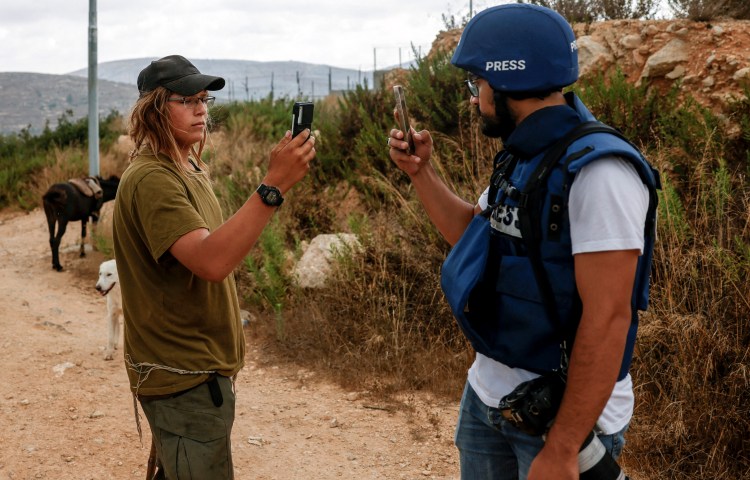
Kicked, threatened, shot at: Israeli settler violence hits West Bank journalists
Palestinian freelance journalist Salman al-Khatib and his colleagues were filming Israeli demolitions of homes in the occupied West Bank late last month when a young settler approached them, blocked their cameras, shoved the journalists, and kicked Al-Khatib. After another settler arrived on the scene, located between the towns of Birzeit and Atara, north of Ramallah,…

German journalist recounts 5-month detention in Syria, urges colleague’s release
On January 18, 2026, German journalist Eva Maria Michelmann and her Kurdish-Turkish colleague Ahmed Polad were detained while reporting from the northern Syrian city of Raqqa, as government forces advanced on the territory controlled by the Kurdish-led Syrian Democratic Forces (SDF). After months of denying knowledge, authorities admitted holding them in custody. Michelmann, who had…
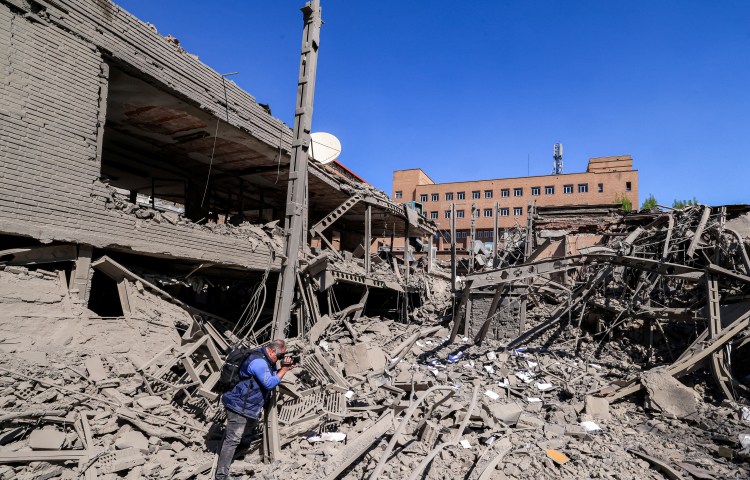
The cost of truth: Inside Iran’s mounting media crackdown
Arrest, prosecution, and censorship have long shaped the media landscape in Iran. Currently, nine journalists are known to be imprisoned for doing their job, including Iranian-American journalist Reza Valizadeh, who was detained in September 2024 and is currently serving 10 years in prison. But members of the press interviewed in August by the Committee to…
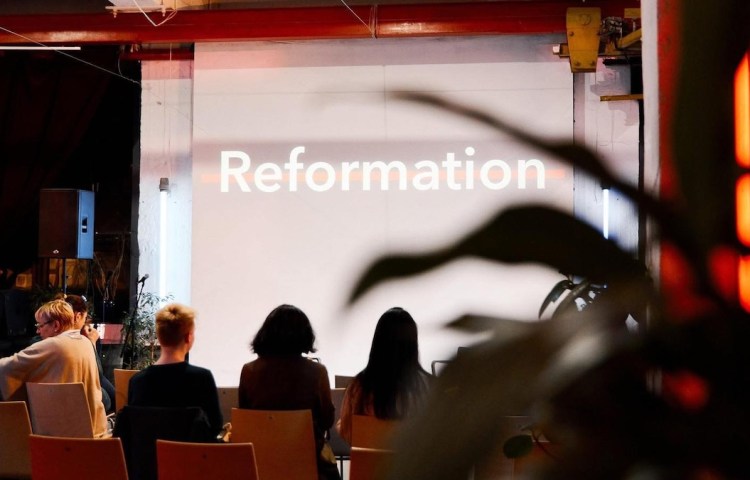
7 exiled Belarusian media sites hit by DDoS attacks
Websites of at least six exiled Belarusian news outlets and one journalists’ association have been targeted since March by distributed denial-of-service (DDoS) attacks, which aim to overwhelm websites with floods of internet traffic. Staff at several of the affected outlets said the increasingly frequent attacks appear to extend a pattern of transnational repression linked to…

More than a dozen South African journalists targeted as anti-migrant deadline looms
South African journalist Sakhiseni Nxumalo was reporting on an anti-migrant march, which turned into a deadly attack on foreign nationals, when he himself became a target because of his dark skin. He is one of at least 15 journalists targeted in South Africa in recent months, CPJ’s reporting found. Nxumalo, who works for the digital…
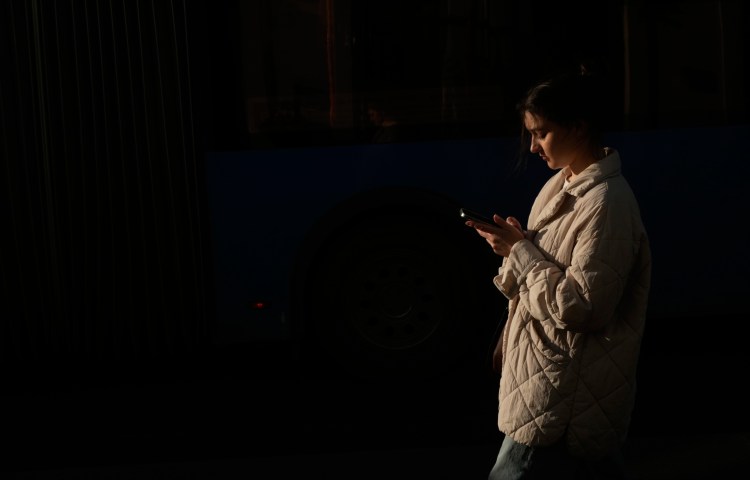
Russian independent journalists fear MAX app, new online restrictions will hinder reporting
As Russian authorities tighten the screw on popular messaging app Telegram and promote a state-backed “super app” that observers say could act as a surveillance tool, independent journalists and media outlets inside and outside Russia say it will become more difficult to report stories securely and stay connected to audiences. President Vladimir Putin is pushing…
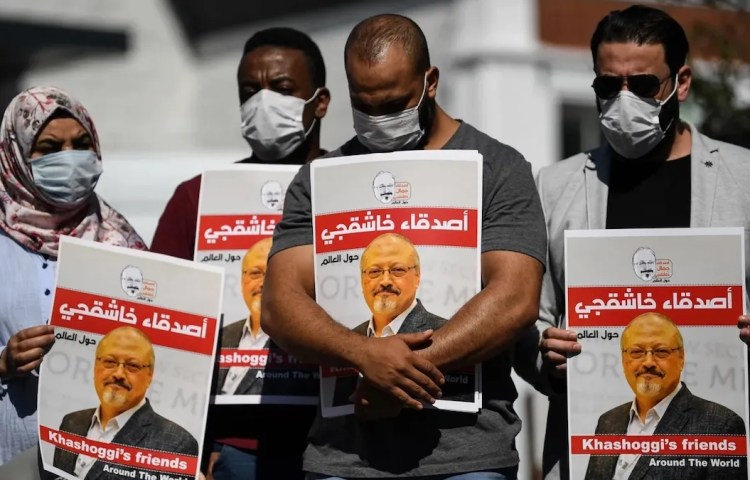
World Refugee Day 2026: Supporting journalists in exile amid transnational repression
World Refugee Day draws attention to journalists who have been forced to flee their home countries due to threats, conflict, or repression. While exile is now recognized as a growing reality for journalists worldwide, the experiences of journalists CPJ supported last year reflect the reality that relocation does not necessarily bring safety. Increasingly, journalists in…