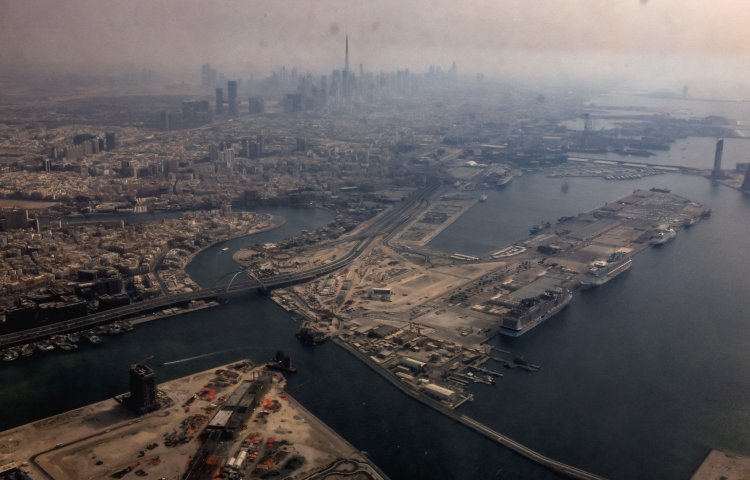
Press crackdowns in Gulf spike following Iran war, risk becoming permanent
Since the Iran war started late February, CPJ has documented a crackdown on the press across the Gulf and tracked unpublicized cases of arrests, intimidation, and legal and financial actions against journalists and their media outlets. The escalation represents a significant and underreported threat to press freedom in Gulf countries, where free speech was already…
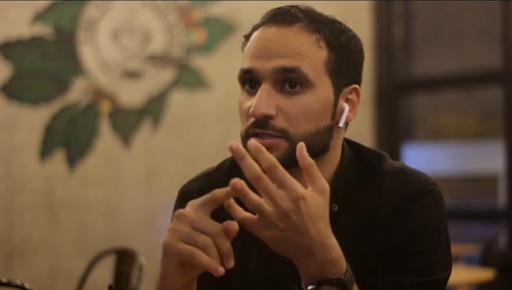
Bahrain sentences photographer Sayed Baqer Al-Kamel to 10 years in prison
Washington, D.C., April 28, 2026 — The Committee to Protect Journalists is appalled by the 10-year prison sentence handed down to Bahraini photographer Sayed Baqer Al-Kamel after reportedly posting a video of the aftermath of an Iranian attack on the Gulf nation. The photojournalist was convicted on charges including allegedly promoting content deemed supportive of…
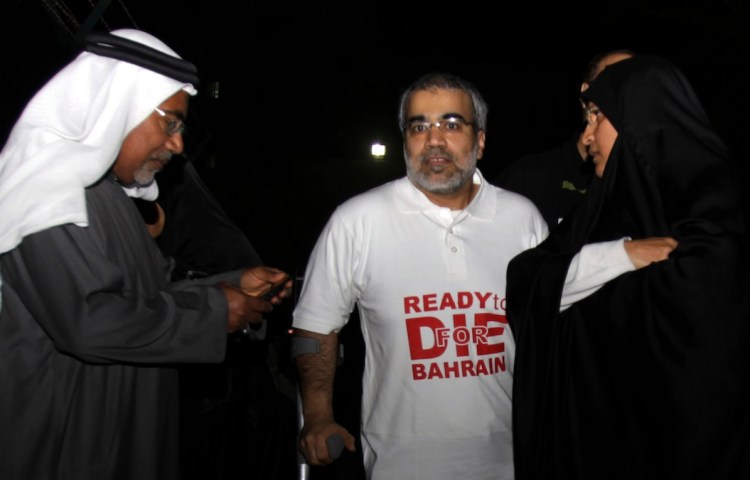
CPJ, partners call for Abduljalil Al-Singace’s release on 15th arrest anniversary
The Committee to Protect Journalists joined 18 human rights and press freedom organizations in urging Bahrain’s King Hamad bin Isa Al Khalifa and Crown Prince Salman bin Hamad Al Khalifa to immediately release blogger Abduljalil Al-Singace, who has completed 15 years of arbitrary imprisonment for his role in the pro-democracy movement. Since July 2021, Al-Singace,…

CPJ, 8 others urge Bahrain to halt repressive amendments to press law
The Committee to Protect Journalists (CPJ) called on Bahrain’s Shura Council to reject the government’s proposed amendments to the Law on Press, Printing, and Publishing (Decree-Law No. 47 of 2002) in a joint statement led by CPJ, Access Now, and seven other press freedom and human rights groups. The statement warned that the Bahraini government’s…
CPJ, 28 others urge UN to prioritize human rights in Bahrain
On September 23, the Committee to Protect Journalists joined 28 human rights organizations during the 79th session of the United Nations General Assembly in urging all member states to address human rights concerns in Bahrain, including the ongoing arbitrary detention of journalists, human rights defenders, scholars, bloggers, and opposition leaders. The letter included the case…
CPJ, 25 others urge Bahraini leaders to release blogger Abduljalil Alsingace after his hunger strike exceeds 3 years
On July 8, the Committee to Protect Journalists joined 25 human rights organizations in urging Bahrain’s King Hamad bin Isa Al Khalifa and Crown Prince and Prime Minister Salman bin Hamad Al Khalifa to immediately release blogger Abduljalil Alsingace and ensure he receives urgent medical care. The statement was issued to mark three years since…
CPJ, 27 others urge Bahraini leaders to release journalist Abduljalil Alsingace
On April 3, the Committee to Protect Journalists joined 27 press freedom and human rights organizations in urging Hamad bin Isa Al Khalifa, the king of Bahrain, and Salman bin Hamad Al Khalifa, the crown prince and prime minister, to immediately release journalist Abduljalil Alsingace and ensure he receives urgent medical care. The statement was…
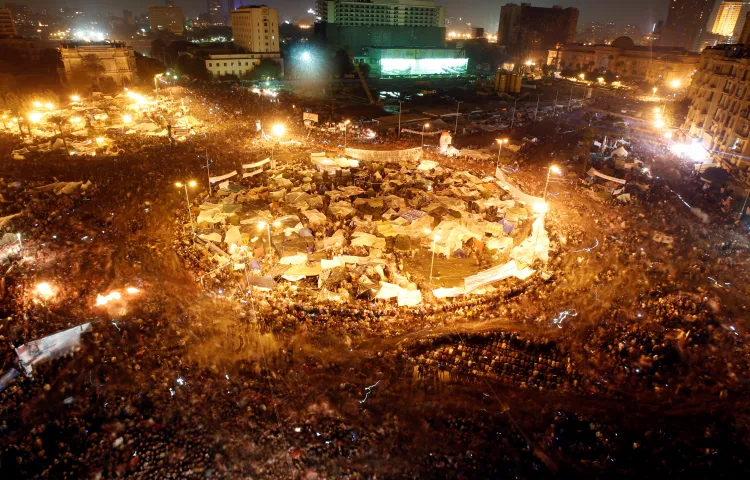
Ten years after the Arab Spring, the region’s media faces grave threats. Here are the top press freedom trends
In early February 2011, Alaa Abdelfattah was in Egypt’s Tahrir Square, documenting and participating in the nascent pro-democracy uprising that would topple the government and transform the country and the region. Today, he is in prison on anti-state and false news charges, which his family believes are partly retaliatory for his work. Abdelfattah is one of…
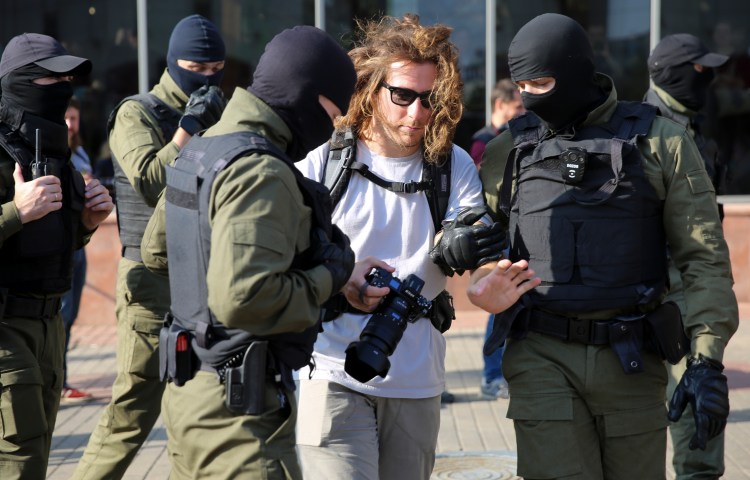
Record number of journalists jailed worldwide
Editor‘s note: In 2019, CPJ published a new database of attacks on the press. Numbers for each subsequent prison census are liable to adjust yearly as CPJ learns of arrests, releases, or deaths in prison. For the most recent data, see cpj.org/data/imprisoned/. The number of journalists jailed globally because of their work hit a new high in 2020…
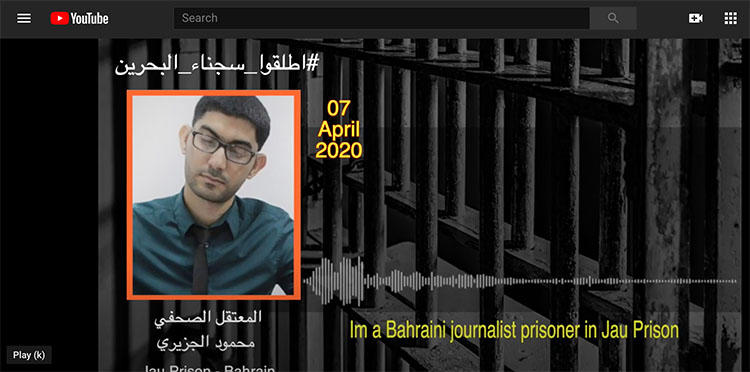
Bahrain puts imprisoned journalist in solitary confinement after reporting on COVID-19 danger
New York, April 10, 2020 – Bahraini authorities should immediately stop retaliating against imprisoned journalist Mahmoud al-Jaziri for reporting on conditions inside Bahraini prisons and should free all journalists imprisoned for their work, the Committee to Protect Journalists said today.