
Egypt detains entire newsroom of Matsadaash media platform
Washington, D.C., October 2, 2026—The Committee to Protect Journalists calls on Egyptian authorities to immediately release the six detained journalists working for investigative media platform Matsadaash, “Don’t Believe It”, reveal their whereabouts, ensure they have prompt access to lawyers and families, and drop any charges stemming solely from their legitimate journalistic work. The crackdown began…
CPJ, partners demand release of six Egyptian investigative journalists
The Committee to Protect Journalists joined partner organizations on Wednesday in condemning the arrest in recent days of six journalists working for independent Egyptian investigative journalism platform Matsda2sh, and calling for their immediate release. Between Monday, September 28, 2026, and Tuesday, September 29, Egyptian security forces raided homes and arrested Mohamed Ashraf Abu Emeira, Abdallah…
Ahead of trial, CPJ, partners demand release of detained photojournalist Hamdi al-Zaeem
The Committee to Protect Journalists joined partner organizations on Saturday in condemning the prolonged pre-trial detention of Egyptian journalist Hamdi al-Zaeem, and calling on Egyptian authorities to immediately release him. Al-Zaeem was first arrested on September 26, 2016, then released conditionally on June 23, 2018. He was re-arrested in January 2021 and accused of spreading…
Egypt must account for Sudanese journalist Ataf Mohamed Mokhtar
Washington, D.C., September 11, 2026—The Committee to Protect Journalists calls on Egyptian authorities to immediately disclose the whereabouts of prominent Sudanese journalist Ataf Mohamed Mokhtar and the reasons for his arrest. Ataf was arrested Tuesday, September 8, 2026, from his home in Cairo, with no official announcement from Egyptian authorities on the legal basis for…
CPJ, partners demand release of detained Shi’a Muslims in Egypt, including journalist Haidar Qandil
The Committee to Protect Journalists joined partner organizations on Wednesday to strongly condemn the arrest and enforced disappearance of at least 36 Shi’a Muslims in Egypt, including journalist Haidar Qandil, and called for their immediate release. Qandil was arrested on June 22, 2026, outside the offices of Al-Dostor newspaper in Giza, Greater Cairo, and taken…
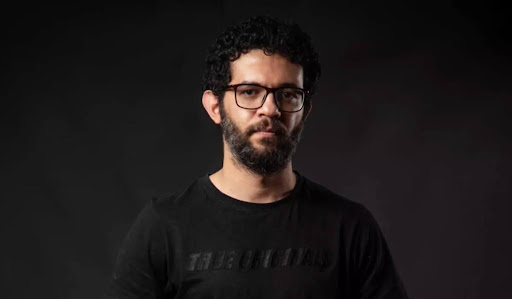
CPJ, partners demand release of Egyptian cartoonist Ashraf Omar on arrest anniversary
The Committee to Protect Journalists joined partner organizations on Wednesday to mark Ashraf Omar’s second arrest anniversary by calling for his immediate release. In the letter, the signatories voice concern over the significant time that has passed since the Al-Manassa cartoonist was arrested in his home on July 22, 2024 and their refusal to accept…
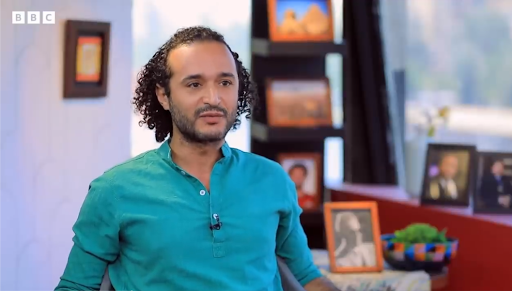
Ahead of appeal ruling, CPJ and partners call on Egypt to release Ahmed Douma
In a joint statement, the Committee to Protect Journalists joined several press freedom and human rights organizations on Thursday, urging Egyptian authorities to immediately and unconditionally release political writer Ahmed Douma. Douma was arrested on April 6 at the Supreme State Security Prosecution headquarters following a six-hour interrogation and held for nearly two months in…
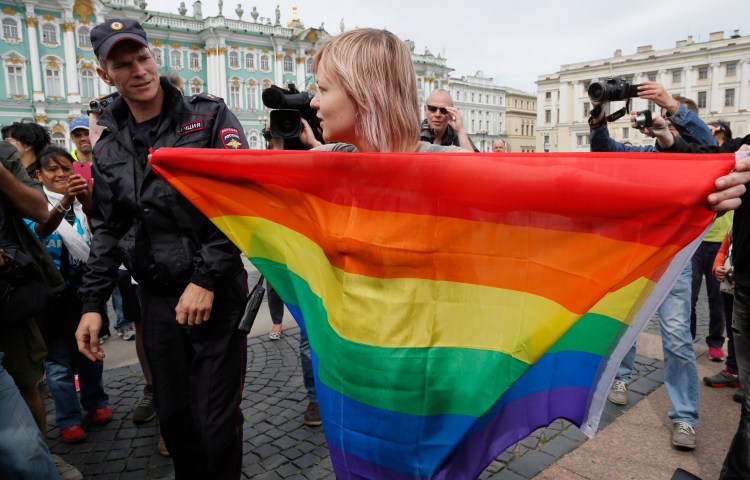
The high price journalists paid for LGBTQ+ reporting, and how to protect yourself now
As LGBTQ+ communities celebrate Pride this June, many journalists continue to face an ugly reality: simply reporting on this community can open them up to prosecution, physical attacks, threats, arrest, exile, and even death. Avijit Roy, a Bangladeshi-born American who blogged about LGBTQ+ rights and free expression, was stabbed to death alongside his wife after…
Egypt must account for missing journalist Haidar Qandil
Washington, D.C., June 24, 2026—The Committee to Protect Journalists calls on Egyptian authorities to immediately reveal the whereabouts of prominent journalist Haidar Qandil, who disappeared Monday after leaving his office, according to his family and several media outlets. Freelance Egyptian journalist Iman Adel said in a Facebook post that she had been in contact with…

CPJ, partners urge EU to push Egypt on rights and press freedom reforms
The Committee to Protect Journalists joined 14 other press freedom and human rights organizations on Monday, expressing concern over Egypt’s failure to show meaningful progress on human rights, democracy, or the rule of law, despite the European Union presenting such progress as a key condition of the €5 billion (US$5.75 billion) macro-financial assistance (MFA) package…