Egypt
2009
CPJ’s 2009 prison census: Freelance journalists under fire
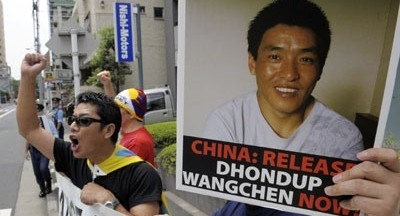
New York, December 8, 2009—Freelancers now make up nearly 45 percent of all journalists jailed worldwide, a dramatic recent increase that reflects the evolution of the global news business, the Committee to Protect Journalists said today. In its annual census of imprisoned journalists, CPJ found a total of 136 reporters, editors, and photojournalists behind bars…
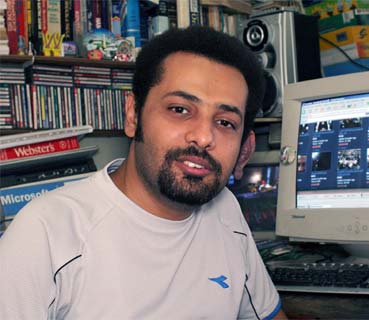
An Egyptian blogger crosses red lines
When the Gulf War broke out in 1990, the world watched the horrors of conflict on live television. It caused a massive leap in media. When the Internet became widely accessible later that decade, the exchange of information in a single second signaled the dawn of another new age. News not only proliferated, it could…
Audio Report: Middle East Bloggers
In our special report “Middle East Bloggers: The Street Leads Online,” CPJ’s Mohamed Abdel Dayem says blogging has become a crucial front in the region’s struggle for freedom of expression. Here, Abdel Dayem describes how two regional trends–booming Internet audiences and repression of traditional media–have made blogging a vibrant news alternative. Listen to the mp3…
Robert Mahoney writes about Egyptian bloggers in CJR
A piece in the Columbia Journalism Review raised questions about CPJ’s support of several bloggers in Egypt. The article draws a distinction between journalists who report facts and bloggers who deal in opinion and the promotion of causes. In a companion piece, CPJ Deputy Director Robert Mahoney argues that in a country like Egypt, where…
As Cairo speech nears, concerns for Obama
Dear Mr. President: The Committee to Protect Journalists is writing ahead of your scheduled speech in Cairo on June 4 to bring to your attention important matters that are crucial to the long-term success of your stated goal of engaging the people–and not just the regimes–of the Arab and Muslim worlds.
Free expression in the Middle East & North Africa
On Thursday, I participated in a panel discussion about media in the Middle East at the United Nations to commemorate World Press Freedom Day. Other panellists included Alya Al-Thani, counsellor, Permanent Mission of Qatar to the United Nations; Abderrahim Foukara, chief of the Washington Bureau of Al-Jazeera; Ebtihal Mubarak, journalist for Saudi Arabia’s English-language daily…
Audio Report: Worst Countries to be a Blogger
In our special report, “10 Worst Countries to be a Blogger,” CPJ names the world’s leading online oppressors. Here, Deputy Director Robert Mahoney explains why CPJ undertook this report and how it arrived at its conclusions. Listen to the mp3 on the player above, or right click here to download. (5:34) Read “10 Worst…