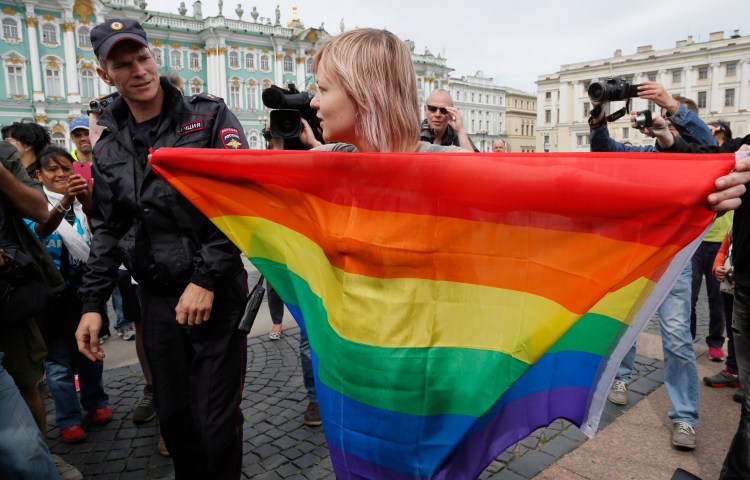
The high price journalists paid for LGBTQ+ reporting, and how to protect yourself now
As LGBTQ+ communities celebrate Pride this June, many journalists continue to face an ugly reality: simply reporting on this community can open them up to prosecution, physical attacks, threats, arrest, exile, and even death. Avijit Roy, a Bangladeshi-born American who blogged about LGBTQ+ rights and free expression, was stabbed to death alongside his wife after…
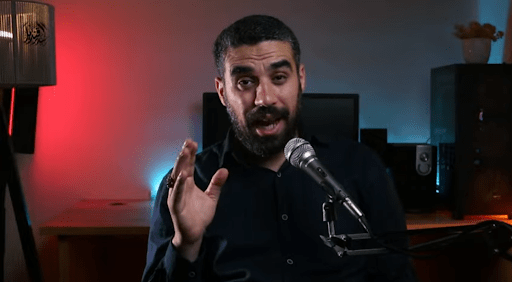
Egypt must account for missing journalist Haidar Qandil
Washington, D.C., June 24, 2026—The Committee to Protect Journalists calls on Egyptian authorities to immediately reveal the whereabouts of prominent journalist Haidar Qandil, who disappeared Monday after leaving his office, according to his family and several media outlets. Freelance Egyptian journalist Iman Adel said in a Facebook post that she had been in contact with…

CPJ, partners urge EU to push Egypt on rights and press freedom reforms
The Committee to Protect Journalists joined 14 other press freedom and human rights organizations on Monday, expressing concern over Egypt’s failure to show meaningful progress on human rights, democracy, or the rule of law, despite the European Union presenting such progress as a key condition of the €5 billion (US$5.75 billion) macro-financial assistance (MFA) package…
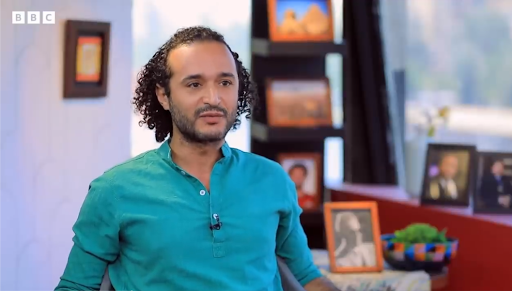
Egypt sentences commentator Ahmed Douma to 1 year in prison
Washington, D.C., June 3, 2026—The Committee to Protect Journalists calls for the release of Egyptian political commentator Ahmed Douma, who was handed a one-year prison sentence on Wednesday over his criticism of conditions inside Egypt’s prisons. “The sentencing of Ahmed Douma for writing about prison conditions is a stark violation of the right to free…
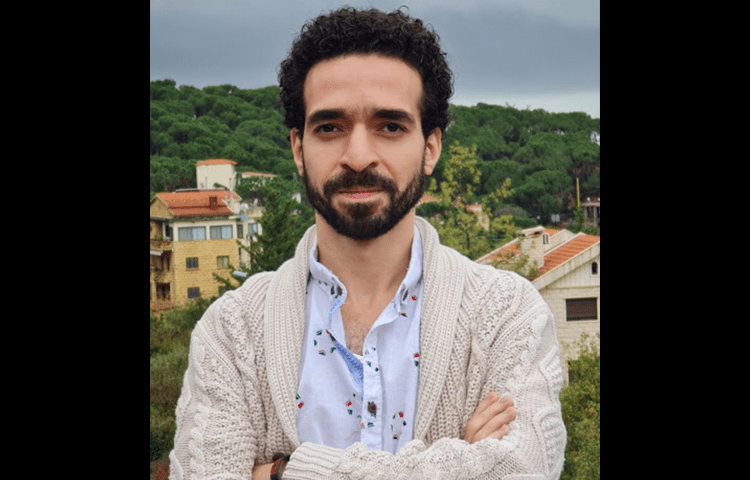
Egyptian, Lebanese journalists targeted in cyber attacks
Washington, D.C., April 8, 2026 — The Committee to Protect Journalists is alarmed by new reports about spear-phishing attacks against several Egyptian and Lebanese journalists aimed at compromising their Apple, Microsoft, and Google accounts. According to reports by digital rights organizations Access Now and SMEX, unidentified entities likely hired a South Asia-focused cyber espionage group…
Egypt arrests commentator Ahmed Douma over article and posts
Washington, D.C., April 7, 2026 — The Committee to Protect Journalists calls on Egyptian authorities to immediately release political commentator Ahmed Douma, who was arrested on April 6 at the Supreme State Security Prosecution headquarters following a six-hour interrogation, which ordered his detention for four days pending investigation. Douma is facing several charges, including publishing…

CPJ, partners call to end Egyptian cartoonist Ashraf Omar’s judicial harassment
The Committee to Protect Journalists joined four other organizations in calling on Egyptian authorities to immediately and unconditionally release Al-Manassa cartoonist Ashraf Omar, who has been in prison for almost 20 months. Following his arrest on July 22, 2024, Omar was charged with “joining a terrorist group,” “spreading false news,” and “misusing social media.” On…
CPJ, partners urge AppLogic Networks to disclose details on Egypt withdrawal
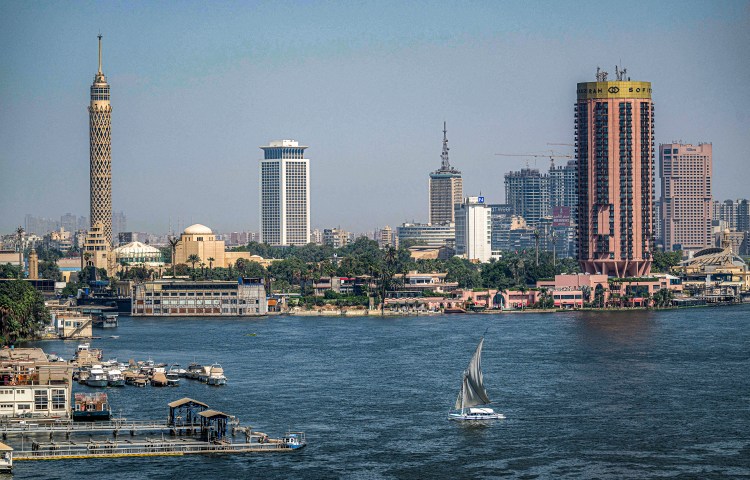
In a joint letter, the Committee to Protect Journalists and 10 rights organizations, along with independent news platforms, expressed serious concern over AppLogic Networks’ (formerly Sandvine) continued failure to provide full transparency about its withdrawal from Egypt and to offer meaningful remedies to those affected by its past business activities in the country. The groups…
CPJ, partners condemn arrest of exiled Egyptian podcast host Seif al-Islam Eid’s father
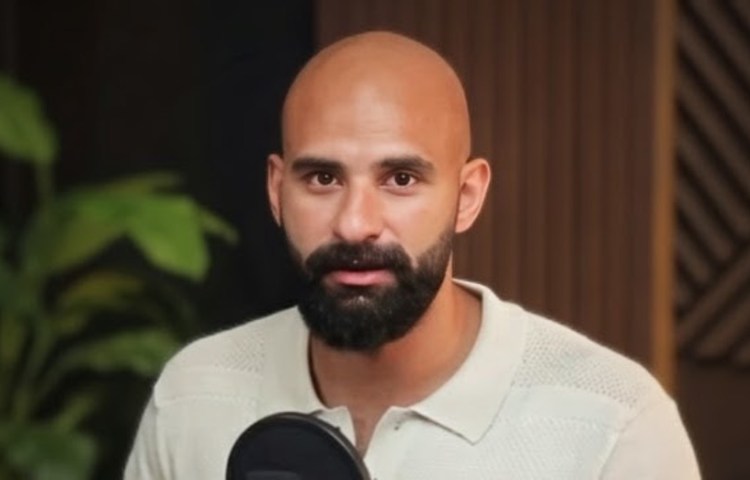
In a joint statement, the Committee to Protect Journalists and 18 human rights and press freedom organizations called on Egyptian authorities to immediately release the father of exiled Egyptian podcast host Seif al-Islam Eid, who was arrested on October 22, 2025, and to cease targeting the family members of exiled journalists and human rights defenders….
Egypt sentences commentator Abdel Khaleq Farouk to 5 years in prison
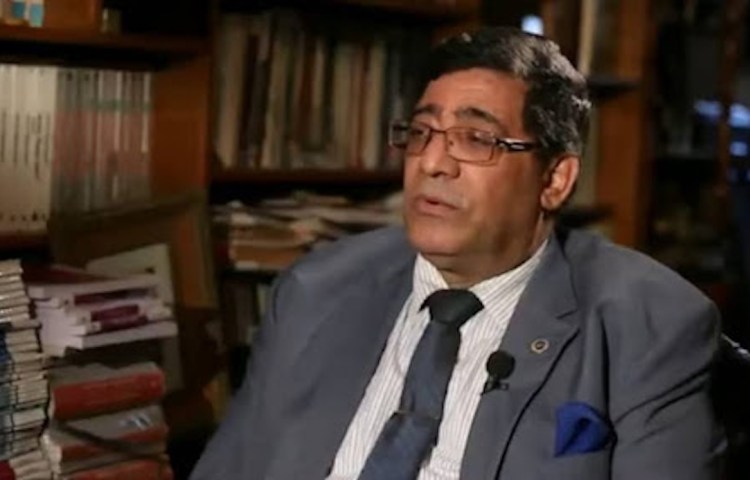
Washington, D.C., October 9, 2025 — The Committee to Protect Journalists is appalled by the five-year prison sentence handed down to Egyptian economic commentator Abdel Khaleq Farouk, convicted of joining a terrorist organization, spreading false information, and misusing social media over articles critical of Egypt’s economic policies. Lawyer Nabih Al-Janadi, a member of Farouk’s defense…