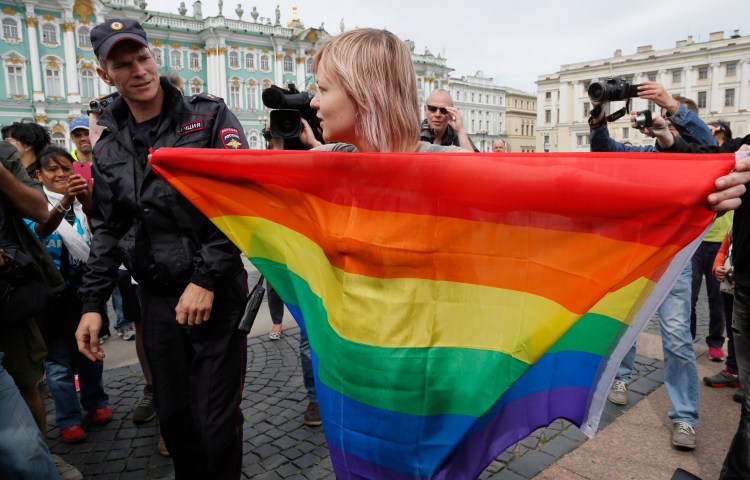
The high price journalists paid for LGBTQ+ reporting, and how to protect yourself now
As LGBTQ+ communities celebrate Pride this June, many journalists continue to face an ugly reality: simply reporting on this community can open them up to prosecution, physical attacks, threats, arrest, exile, and even death. Avijit Roy, a Bangladeshi-born American who blogged about LGBTQ+ rights and free expression, was stabbed to death alongside his wife after…
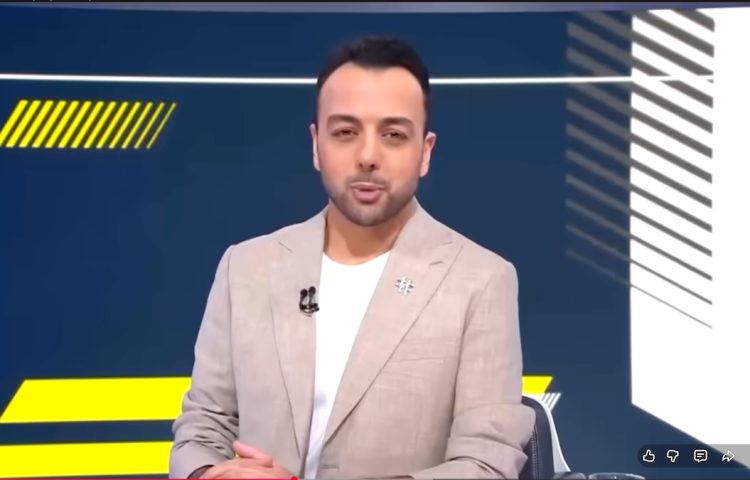
CPJ welcomes conviction of 2 men for attack on Iran International journalist in London
London, June 9, 2026—The Committee to Protect Journalists welcomes the conviction of two Romanian men found guilty of wounding journalist Pouria Zeraati in London in 2024 in a carefully planned attack that prosecutors said was linked to the Iranian state. Zeraati, a prominent news presenter for the Persian-language broadcaster Iran International, was stabbed three times…
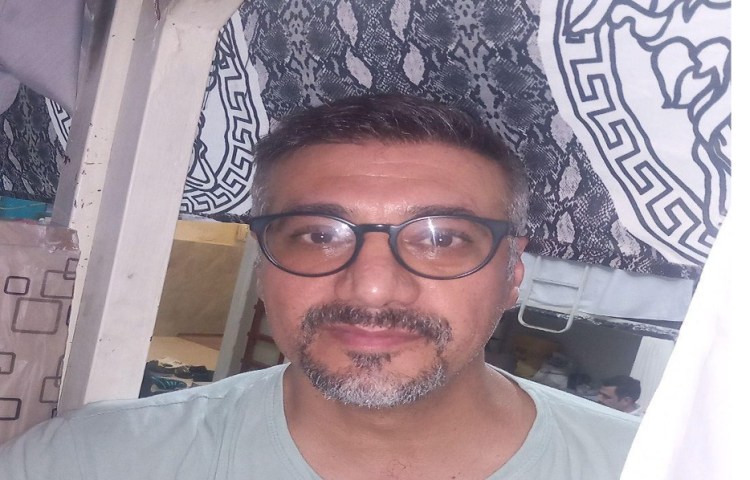
CPJ alarmed by new prison recording from Reza Valizadeh in Iran’s Evin Prison
The Committee to Protect Journalists is deeply concerned by jailed Iranian-American journalist Reza Valizadeh’s latest harrowing report of physical pressure, psychological abuse, and the denial of critical medical care inside Tehran’s Evin Prison. A recently released voice memo, obtained and aired by CBS News, offers a rare firsthand account of conditions inside the prison. In…
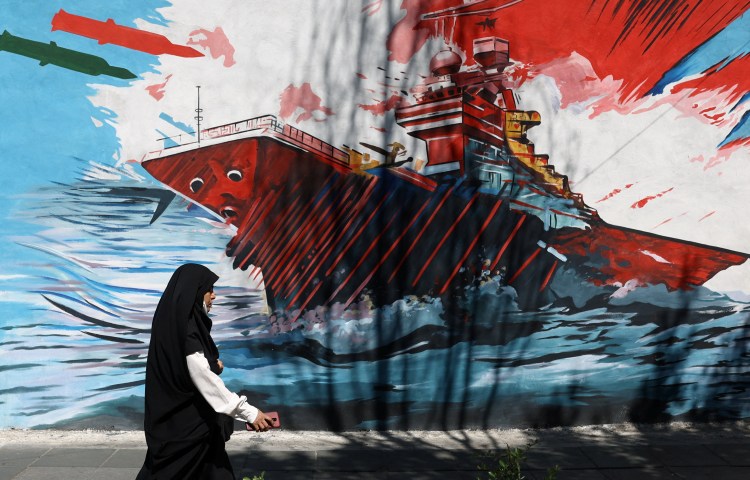
CPJ, RSF warn Iran using 83-day blackout to hide press crackdown
The Committee to Protect Journalists (CPJ) and Reporters Without Borders (RSF) are warning that the Iranian government is using an ongoing 83-day nationwide internet blackout to hide a severe crackdown on independent media. According to the monitor NetBlocks, the 12-week shutdown is the longest and most severe ever recorded in the country, effectively turning Iran…
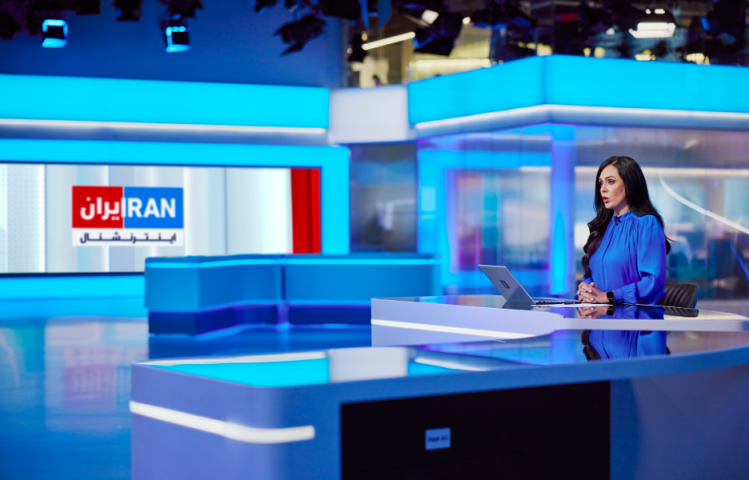
3 arrested after arson attack on London-based Iran International
London, April 16, 2026—Three men have been arrested following an arson attack on the London premises of Iran International, a Persian-language broadcaster whose journalists regularly face threats and intimidation from the Iranian regime. The Committee to Protect Journalists calls on U.K. authorities to fully investigate this latest attack and put additional protection in place for…
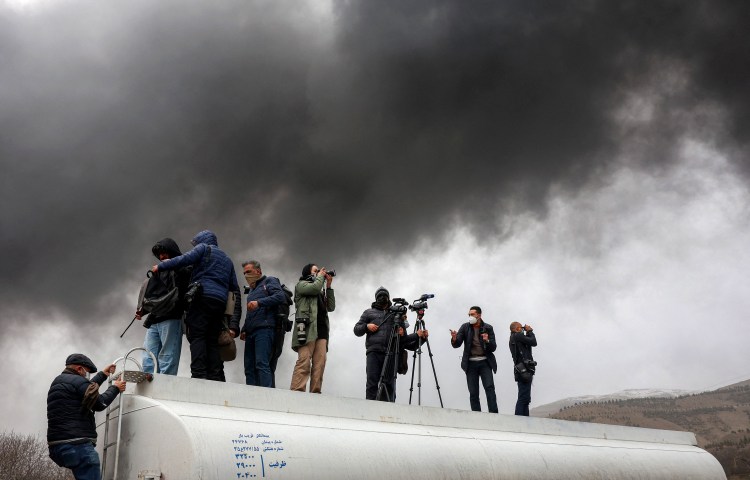
Global press freedom violations during the Iran war
The Committee to Protect Journalists is monitoring press freedom violations related to the ongoing military escalation between Israel, the U.S and Iran and its spillover across the Middle East, including its regional and global impact on journalists and media workers. Since the Iran war broke out on February 28, when the U.S and Israel launched…
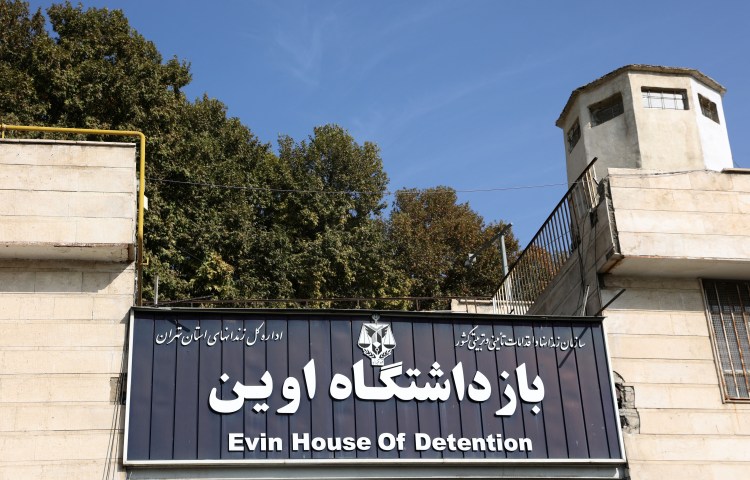
CPJ calls for immediate release of jailed journalists in Iran amid escalating conflict
New York, March 3, 2026 –The Committee to Protect Journalists (CPJ) is gravely concerned about the safety of all journalists imprisoned in Iran amid the ongoing regional escalation and reiterates its calls on Iranian authorities to release them immediately and unconditionally. A near-total internet blackout and severe communication disruptions have effectively cut off detainees from…
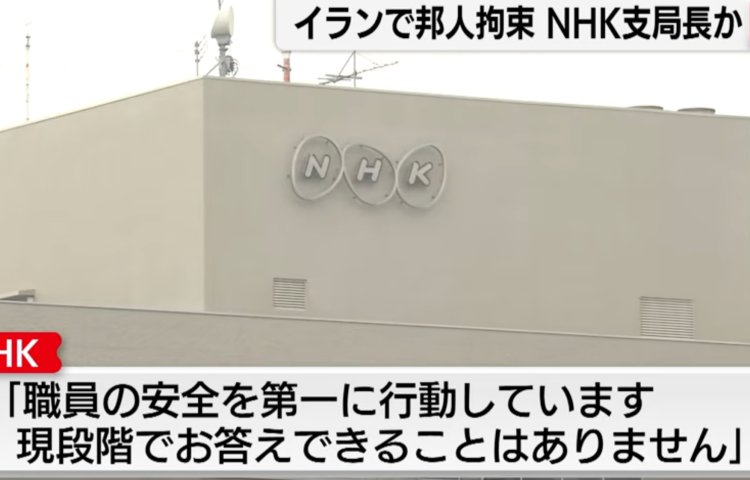
Iranian authorities arrest Japanese journalist Shinnosuke Kawashima
New York, February 26, 2026 — The Committee to Protect Journalists calls on Iranian authorities to immediately release Shinnosuke Kawashima, Tehran bureau chief of Japanese public broadcaster NHK, and all other journalists detained for their work, return all confiscated property, and end the harassment of NHK’s staff. Shinnosuke was arrested on January 20 by the…
Iran tightens media crackdown with raids, financial pressure
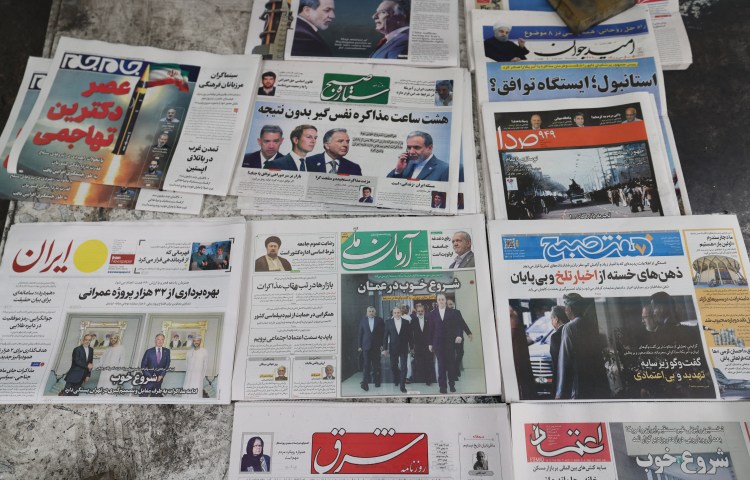
New York, February 9, 2026 —The Committee to Protect Journalists demands that Iranian authorities halt their ongoing attacks and harassment of journalists and media workers and roll back punitive measures used to silence reporting, including raids, equipment seizures, financial pressure, and restrictions on communications. Azadeh Mokhtari, a social affairs editor at the Rokna news website,…
Iran arrests 2 more journalists amid widening crackdown
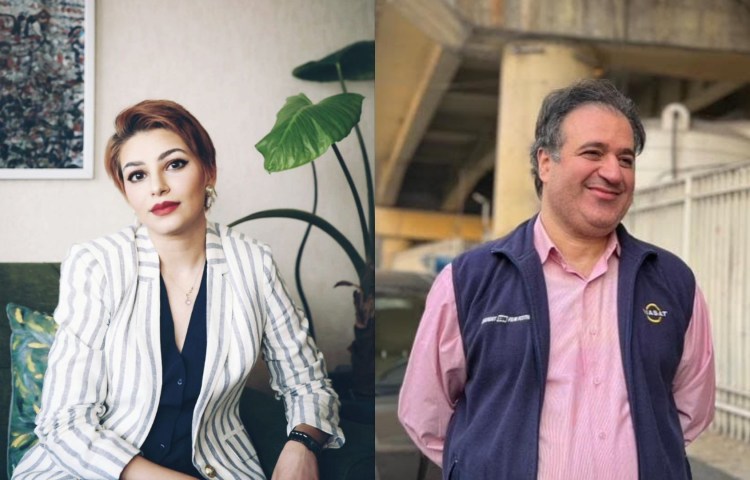
New York, February 2, 2026— The Committee to Protect Journalists calls on Iranian authorities to immediately and unconditionally release journalists Mehdi Mahmoudian and Vida Rabbani and to end the ongoing crackdown on journalists. Mahmoudian and Rabbani were arrested after signing a statement, alongside other Iranian journalists and activists, expressing their support of the recent mass…