Iraq
2013
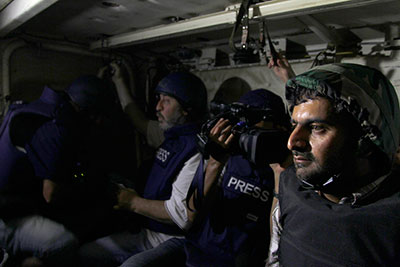
Arab journalists need training for civil unrest and wars
In recent years, Arab journalists have been taking great risks to report important stories in a region where war and civil unrest remain an ever-present threat. Many are operating without proper equipment or safety training in how to recognize and mitigate the various risks they face.
CPJ condemns attack on Iraqi TV station
New York, December 23, 2013–The Committee to Protect Journalists condemns today’s attack on Salah al-Din TV station headquarters in Tikrit, Iraq, which left several journalists dead. The attack comes amid a wave of targeted killings of journalists in the past few months that has made the country among the deadliest in the world for journalists.
Too many triggermen, too little justice in Iraq
The Iraqi city of Mosul is once again one of the world’s deadliest places for journalists. In the past two months, the capital of Nineveh province has witnessed a series of targeted assassinations that, according to local press freedom groups, have led to an exodus of journalists from the city fearing for their safety.
Training can help journalists survive captivity
Two murdered journalists for the Africa service of Radio France Internationale, Ghislaine Dupont, 51, and Claude Verlon, 58, might have had a chance. They were abducted on November 2 in Kidal in northern Mali, but the vehicle their captors were driving suddenly broke down, according to news reports.
Gunmen kill Iraqi journalist near his home in Mosul
New York, October 25, 2013–Iraqi authorities must immediately identify the motive behind the killing of another journalist in the northern city of Mosul and ensure the perpetrators are brought to justice, the Committee to Protect Journalists said today. At least two other Iraqi journalists have been killed in Mosul this month.
Two Iraqi journalists shot dead in Mosul
New York, October 7, 2013–Two Iraqi journalists were shot dead by unidentified assailants in the city of Mosul on Saturday, according to news reports. The Committee to Protect Journalists condemns the killing and calls on the Iraqi government to ensure the perpetrators are held to account.
Endless surprises for Al-Jazeera
Mhamed Krichen/CPJ Board memberThere seems to be no end to American surprises when it comes to Al-Jazeera. The latest was revealed by Der Spiegel, the German weekly news magazine, which reported the U.S. National Security Agency hacked into our internal communications system, according to documents provided by Edward Snowden, the former NSA security analyst.
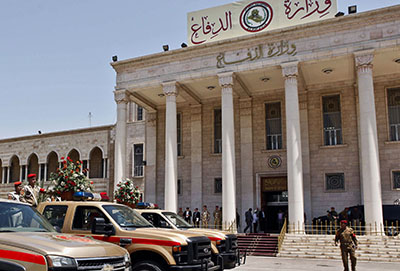
Iraqi government detains two journalists without charge
New York, June 18, 2013–The Committee to Protect Journalists is concerned about the detention of two Iraqi journalists who have been held for two weeks without formal charge or access to a lawyer in connection with the alleged theft of a senior official’s notebook.