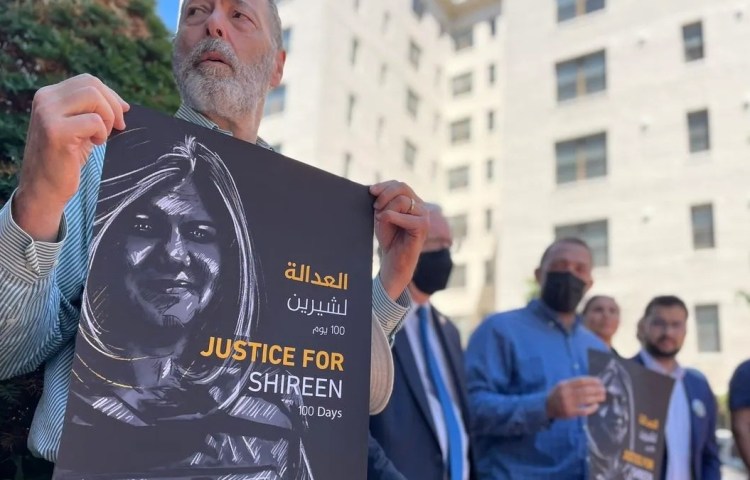
CPJ urges US senators to seek accountability for Israel’s killing of journalist Shireen Abu Akleh
CPJ joined civil society organizations in a letter to the U.S. Senate on September 23, urging senators to co-sponsor and vote “yes” on Sen. Chris Van Hollen’s Section 502B(c) privileged resolution requiring the U.S. State Department to report to Congress on escalating human rights violations in the West Bank, including the killings of U.S. citizens….
CPJ completes review of journalists killed in Israel and the Occupied Palestinian Territory
New York, September 24, 2026—The Committee to Protect Journalists (CPJ) published today the findings of a comprehensive review of its documentation of journalists and media workers killed in Israel and the Occupied Palestinian Territory between October 2023 and August 2026. As a result of new information obtained through the review, CPJ removed 22 individuals previously…

CPJ, partners call on Israel to protect ‘NAZA’ filmmakers’ fundamental rights
The Committee to Protect Journalists and 10 international press freedom organizations are calling on Israeli authorities to protect the safety and fundamental rights of Israeli investigative journalists and filmmakers Yuval Abraham and Rachel Szor following threats by senior officials and escalating intimidation targeting the journalists, their families, and media outlets that publish their work. In…
CPJ demands release of arrested Palestinian-US journalist near Bethlehem
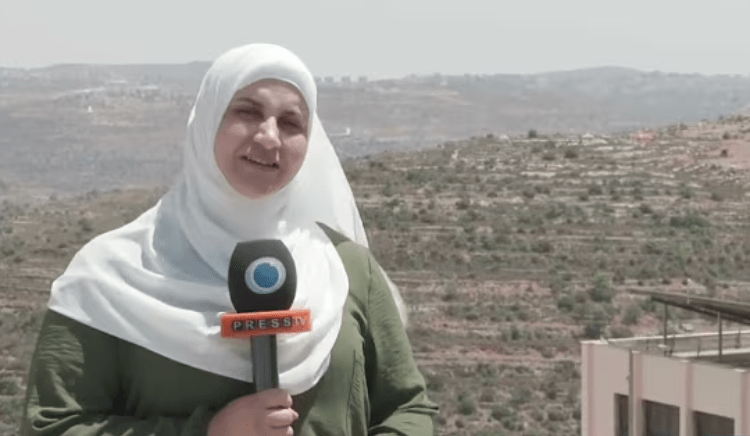
Amman September 17, 2026 — The Committee to Protect Journalists calls on Israeli authorities to immediately release Palestinian-American journalist Naqaa Hamed, arrested on Tuesday at a temporary Israeli army checkpoint in the village of Tuqu, near Bethlehem. Hamed, a freelancer with the local 4D Media production company, was returning from a work assignment for Turkish…

Netanyahu escalates threats against ‘NAZA’ filmmakers with proposed citizenship law
Paris, September 17, 2026 — Israeli Prime Minister Benjamin Netanyahu’s announcement that his government will seek legislation to revoke the citizenship of Israelis who “defame” Israeli soldiers abroad, explicitly citing the documentary “NAZA” and its filmmakers, investigative journalist Yuval Abraham and filmmaker Rachel Szor, is a dangerous escalation in official efforts to intimidate and punish…

CPJ condemns Israeli threats against ‘NAZA’ filmmakers
The Committee to Protect Journalists calls on Israeli authorities to immediately end threats of legal action against Israeli journalist and filmmaker Yuval Abraham and filmmaker Rachel Szor over their documentary “NAZA,” which accuses the Israeli military of using AI-powered targeting systems in the mass killing of civilians in Gaza. Israeli Culture Minister Miki Zohar has…
Kicked, threatened, shot at: Israeli settler violence hits West Bank journalists
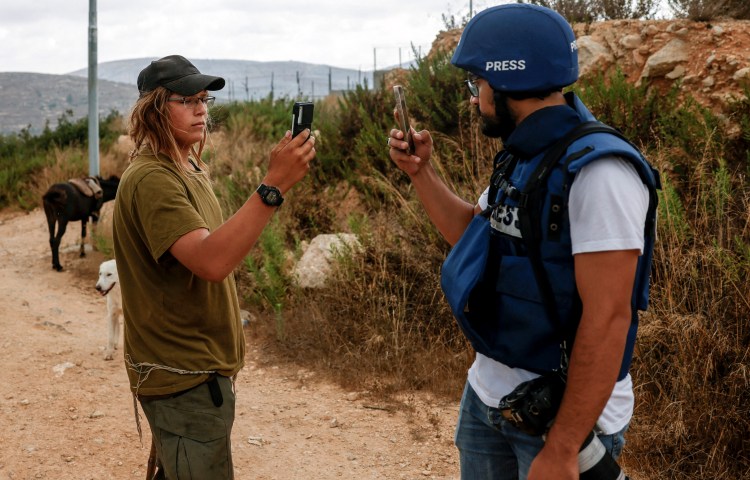
Palestinian freelance journalist Salman al-Khatib and his colleagues were filming Israeli demolitions of homes in the occupied West Bank late last month when a young settler approached them, blocked their cameras, shoved the journalists, and kicked Al-Khatib. After another settler arrived on the scene, located between the towns of Birzeit and Atara, north of Ramallah,…
Journalists in Lebanon and Gaza injured amid fragile ceasefires
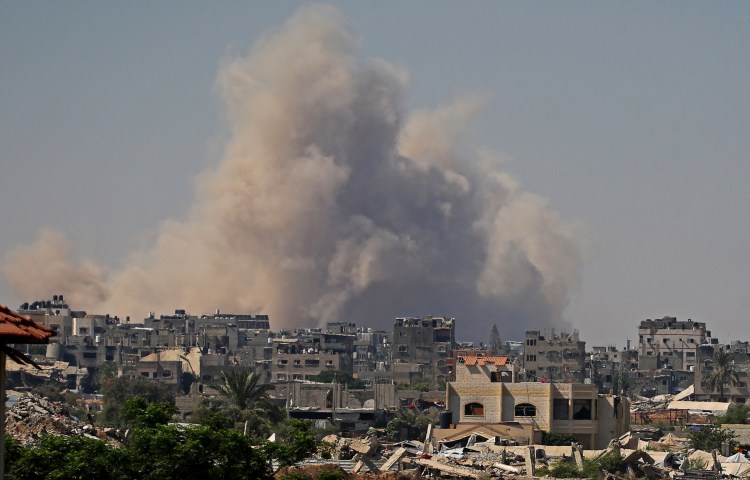
Amman, September 7, 2026 — The Committee to Protect Journalists is alarmed by the recent escalation in Israeli strikes on Gaza and Lebanon, which have injured at least four journalists, including three on Sunday, underscoring the fragility of the ceasefires in both locations. On September 6, 2026, Lebanese correspondent for the local Hezbollah-affiliated Al-Manar TV…
Israel’s Channel 12 attacked for second time, journalists receive death threat
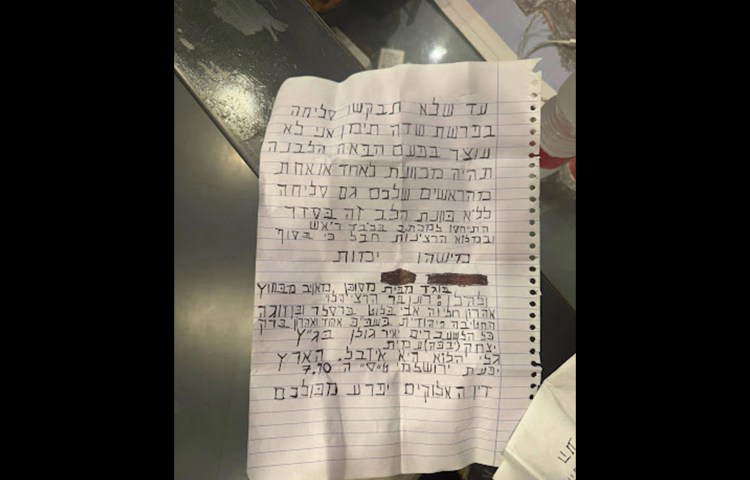
Nazareth, Israel, July 29, 2026 —The Committee to Protect Journalists condemns the latest attack on the headquarters of Israeli broadcaster Channel 12 News, where a masked individual smashed the building’s glass entrance doors and left a handwritten note containing a death threat over its coverage of the alleged abuse of a Palestinian detainee at the…

CPJ undertakes review of its documentation of journalists killed in Israel-Gaza war since 2023
New York, June 25, 2026—The Committee to Protect Journalists (CPJ) is conducting a full review of its database of journalists killed during the Israel-Gaza War after militant groups Hamas and Palestinian Islamic Jihad (PIJ) published obituaries identifying as combatants individuals previously listed by CPJ as journalists. In all countries and conflicts, CPJ removes names from…