Lebanon
2010
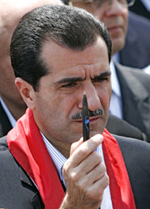
In Lebanon, Gebran Tueni’s daughter seeks the truth
On a rainy Sunday in downtown Beirut, in St. George Cathedral at Place d’Etoile, the family of murdered Lebanese journalist Gebran Tueni gathered with the staff of his newspaper, Al-Nahar, to hold a memorial marking the fifth anniversary of Tueni’s assassination. The memorial was held in the same church where Tueni was married in 2001,…
Lebanon tries to modernize its chaotic media laws
Current Lebanese media laws exist in the perfect state of chaos. For example, a print journalist who is a member of the Journalists’ Syndicate, according to the Publication Law, is protected from administrative arrest for an opinion piece or an article he writes. However, if the same journalist broadcasts the very same opinion and some…
After running leaked cables, websites face harassment
New York, December 10, 2010–The Committee to Protect Journalists condemns harassment of the Lebanese news website Al-Akhbar after it published U.S. diplomatic cables that were first disclosed by WikiLeaks. The website was hacked this week by unknown attackers, while the Tunisian government blocked domestic access to the site. Saudi officials blocked access to the independent…
Reporter killed during Israeli-Lebanese border clash
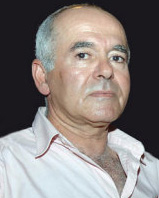
New York, August 3, 2010—Assaf Abu Rahal, a reporter for the Lebanese daily Al-Akhbar, was killed today during a border clash between Israeli and Lebanese military forces near the southern town of Al-Adaysseh, according to news reports. Abu Rahal, left, was struck by an Israeli shell after a skirmish broke out shortly after noon, news…
Lebanon’s parliament must revise repressive tech bill
New York, June 28, 2010—The Committee to Protect Journalists is alarmed by repressive aspects of a new technology bill that is pending in the Lebanese parliament. CPJ urges parliament to remove several provisions that would restrict press freedom and free expression.
Ten Journalist Murder Cases to Solve
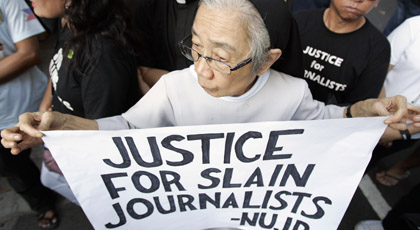
CPJ challenges authorities in 10 nations to bring justice and reverse culture of impunity New York, April 29, 2010—In the Philippines, political clan members slaughter more than 30 news media workers and dump their bodies in mass graves. In Sri Lanka, a prominent editor who has criticized authorities is so sure of retaliation that he…
Audio Report: Ten Murder Cases to Solve
In our special report, “Ten Journalist Murder Cases to Solve,” CPJ challenges authorities to solve these news media slayings and reverse the culture of impunity. Here, CPJ’s Robert Mahoney explains why each of these cases can be solved if governments demonstrate political will. Listen to the mp3 on the player above, or right click here to…