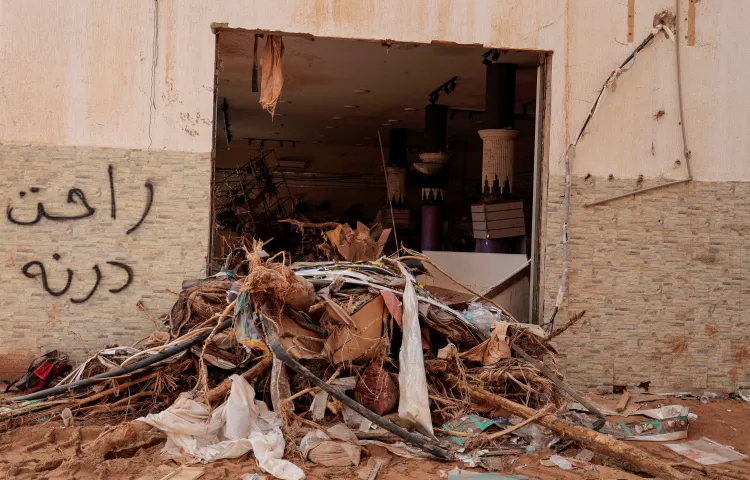
CPJ Safety Advisory: Covering Libya’s floods
Days after September floods killed thousands in the coastal Libyan city of Derna, protesters took to the streets to blame local authorities for failing to maintain the local dams. On September 19, Libya’s eastern administration ordered local and foreign journalists to leave the city of Derna by noon that day on the grounds that the…
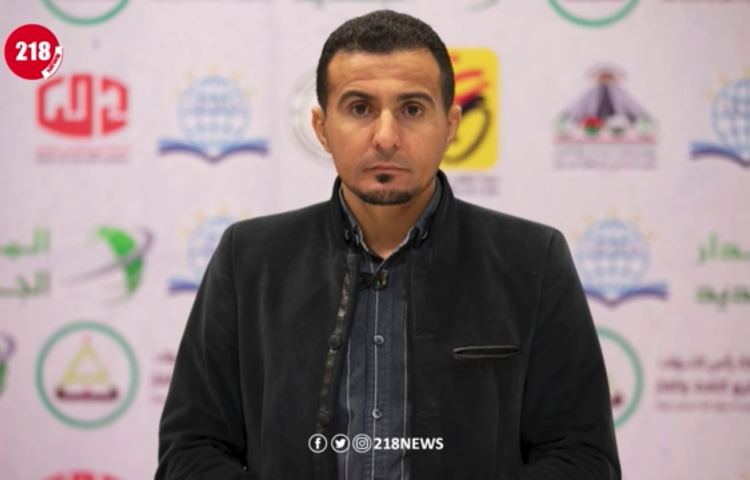
Libyan journalist Ali al-Rifawi detained since March after reporting on corruption
New York, April 21, 2022 – Libyan authorities must immediately release journalist Ali al-Rifawi, disclose his location, and ensure that journalists can cover local events without fear of detention, the Committee to Protect Journalists said Thursday. On March 26, armed officers from the Internal Security Agency, a coalition of armed groups led by the Libyan…
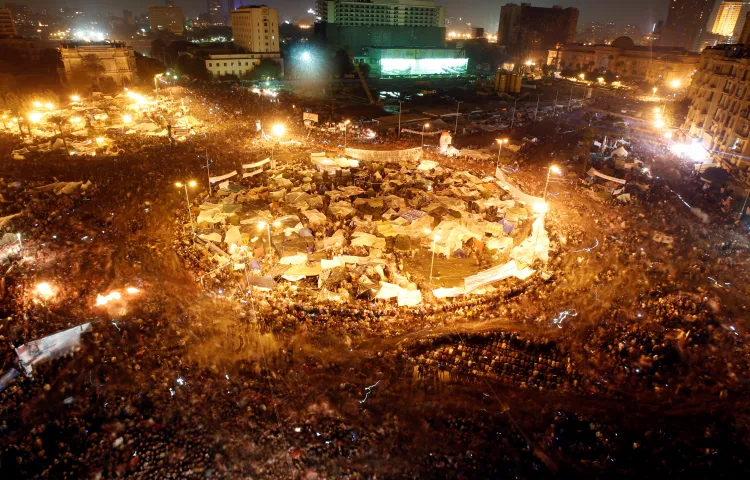
Ten years after the Arab Spring, the region’s media faces grave threats. Here are the top press freedom trends
In early February 2011, Alaa Abdelfattah was in Egypt’s Tahrir Square, documenting and participating in the nascent pro-democracy uprising that would topple the government and transform the country and the region. Today, he is in prison on anti-state and false news charges, which his family believes are partly retaliatory for his work. Abdelfattah is one of…
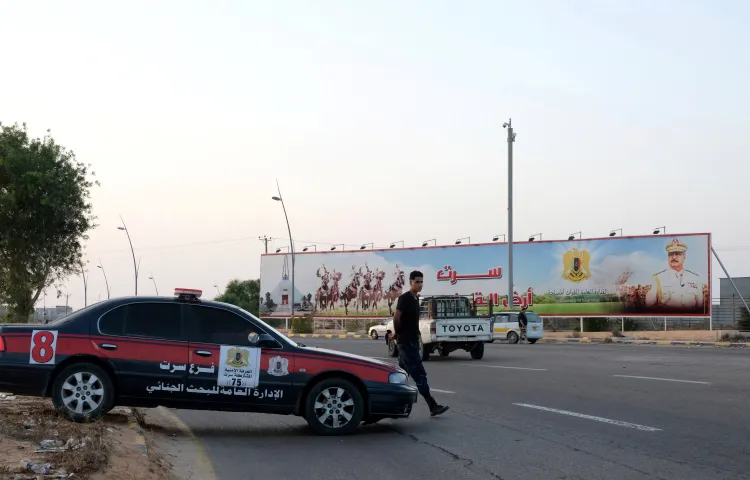
Libyan radio journalist Sami al-Sharif detained while covering protests
Washington D.C., August 27, 2020 – Libyan authorities should immediately release journalist Sami al-Sharif and ensure that the press can cover protests without fear of attack or harassment from demonstrators or security forces, the Committee to Protect Journalists said today. On August 23, men in military uniforms affiliated with the U.N.-backed Government of National Accord…
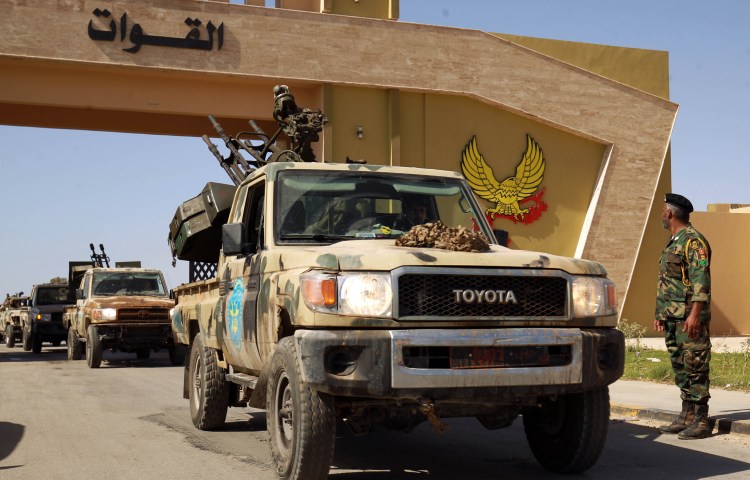
Libyan National Army ‘sentences’ freelance photojournalist Ismail Abuzreiba al-Zway to 15 years
Washington, D.C., August 4, 2020–The Libyan National Army should immediately release photojournalist Ismail Abuzreiba al-Zway, and stop prosecuting journalists in secret trials and in military courts, the Committee to Protect Journalists said today. In a secret trial proceeding held in May 2020, a military court in Benghazi, a city in eastern Libya controlled by the…
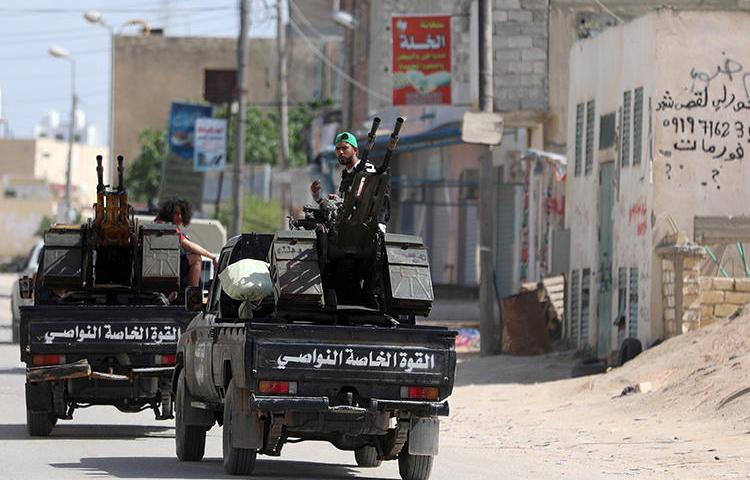
Journalist Rida Fahil Al-Bom detained in Libya
Washington, D.C., December 17, 2019 — Libyan authorities should immediately account for the whereabouts of journalist and press freedom advocate Rida Fahil al-Bom and do their utmost to secure his release, the Committee to Protect Journalists said today.
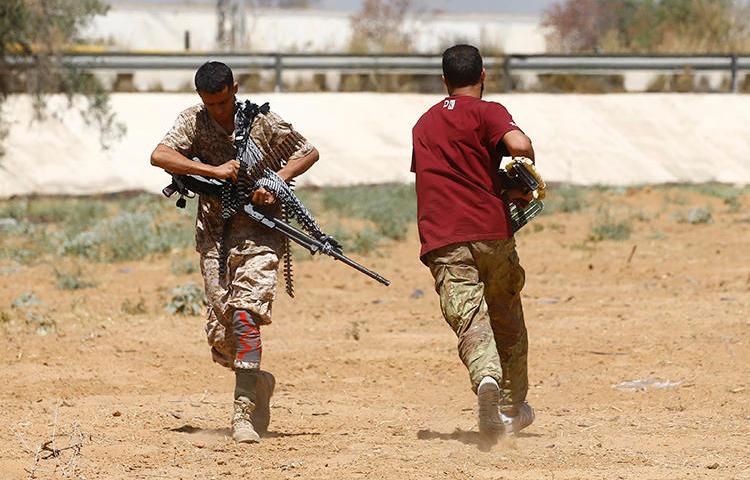
AFP freelance journalist Hamza Turkia shot while covering clashes in Libya
On June 19, 2019, an unidentified individual shot Hamza Turkia, a freelance photographer and videographer at the time working for French news agency Agence France-Presse, in the hand and leg while the journalist was covering clashes between forces allied with the internationally recognized Government of National Accord and the self-styled Libyan National Army in Tripoli,…
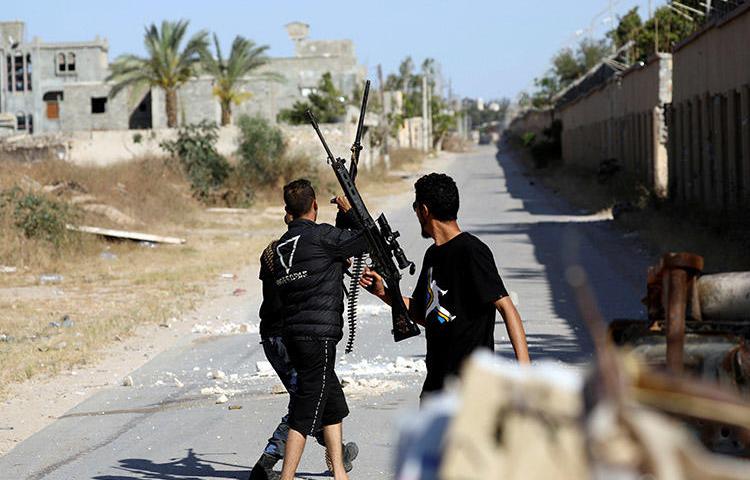
Reuters photojournalist Hani Amara shot while covering Libya clashes
On May 12, 2019, Hani Amara, a photographer and videographer for Reuters, was shot in the leg while covering clashes in the Libyan capital Tripoli, according to news reports, social media posts and the Libyan Center for Freedom of the Press, a local press freedom group.
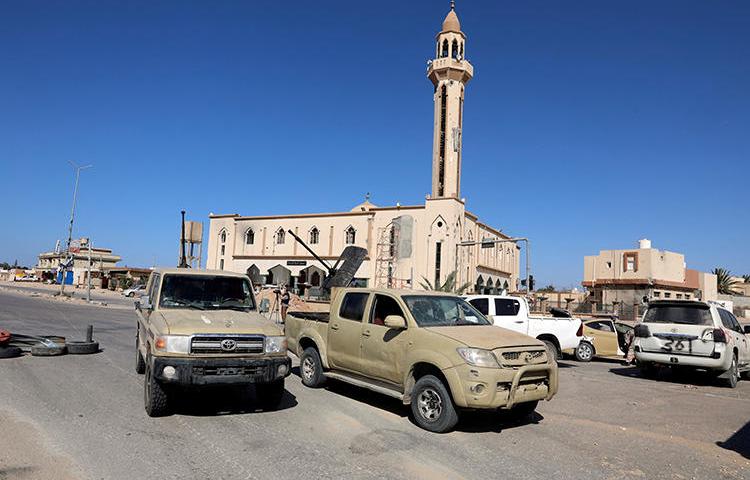
Libyan journalists Mohamed al-Qurj and Mohamed al-Shibani missing since May 2
New York, May 9, 2019 — The Committee to Protect Journalists is gravely concerned about the safety of Mohamed al-Qurj and Mohamed al-Shibani, Libyan journalists with Qatar-based private television broadcaster Libya Alahrar, who disappeared on May 2.
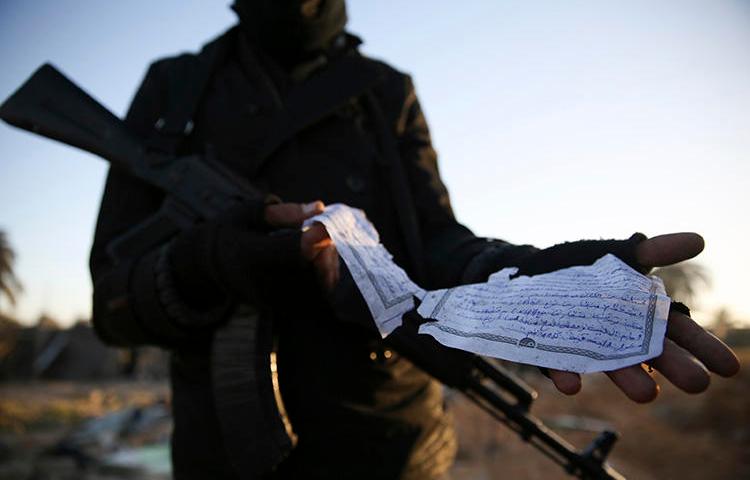
Libyan photojournalist killed by shelling during Tripoli clashes
New York, January 23, 2019–The killing of freelancer Mohamed Ben Khalifa in Libya underscores the dangers for photojournalists working in conflict zones, the Committee to Protect Journalists said today. Ben Khalifa, a photographer who contributed to outlets including The Associated Press, was killed during clashes south of Tripoli on January 19, according to news reports,…