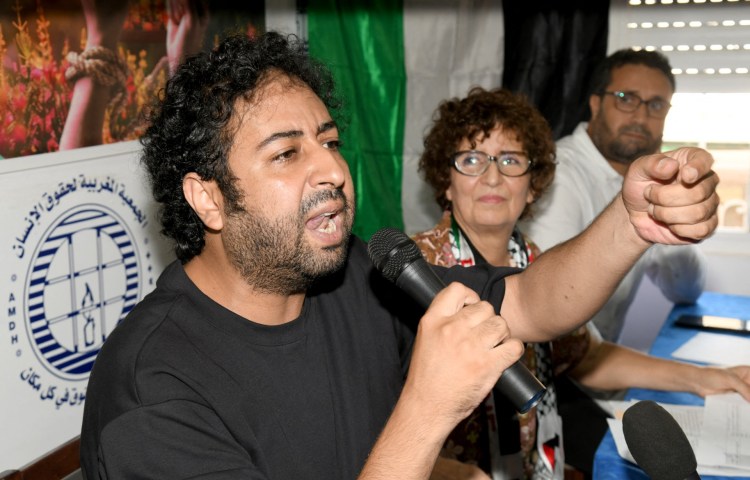
CPJ urges Morocco to end press surveillance following Amnesty report
New York, October 1, 2026—The Committee to Protect Journalists urges Moroccan authorities to immediately end the unlawful surveillance of journalists, and hold those responsible to account. This demand follows a newly published Amnesty International report documenting the use of spyware and other surveillance methods by Morocco’s intelligence services to monitor journalists, human rights defenders, and…
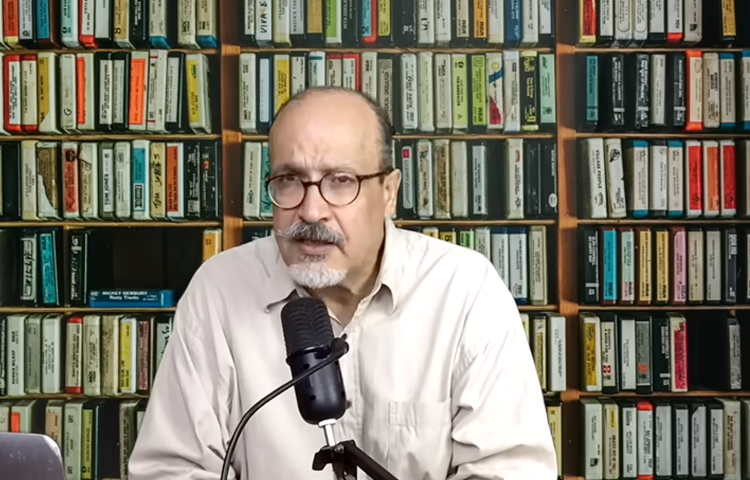
Moroccan authorities arrest journalist Ali Lmrabet over alleged false information
New York, July 14, 2026 – Moroccan authorities must immediately and unconditionally release French-Moroccan freelance journalist Ali Lmrabet, who has faced decades of pressure over his critical reporting, the Committee to Protect Journalists said Tuesday. On Sunday, July 12, authorities arrested Lmrabet upon his arrival at a Tangier airport from Spain, where he has lived…

Morocco deports 2 journalists trying to enter Western Sahara
New York, May 2, 2025—The Committee to Protect Journalists calls on Moroccan authorities to stop suppressing independent reporting from the occupied Western Sahara, after two Italian freelance journalists became the latest to be deported from the disputed territory. “The deportation of Italian journalist Matteo Garavoglia and photographer Giovanni Colmoni is yet another sign of Morocco’s…

Morocco’s pardoned journalists face smears, threats after prison
When Moroccan authorities released three prominent journalists in July as part of a mass pardon marking King Mohamed VI’s 25 years on the throne, their friends and families celebrated. But the excitement was short-lived. Taoufik Bouachrine, Soulaiman Raissouni, and Omar Radi have been shamed in the media, stalked, and harassed since their release as they…
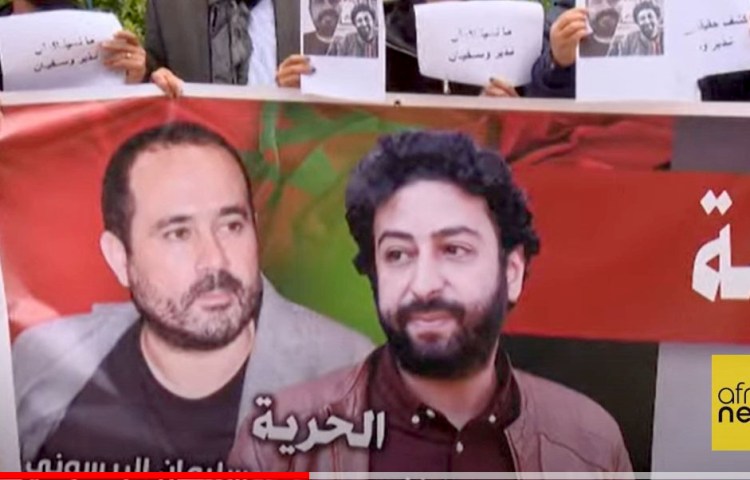
Morocco prison confiscates journalist’s letter to wife, prompting hunger strike
New York, March 4, 2024—The Committee to Protect Journalists condemns Moroccan prison authorities’ decision to prevent imprisoned journalist Soulaiman Raissouni from sending a letter to his wife and urgently calls for his immediate release. After authorities in the Ain Borja prison confiscated and withheld a letter meant for his wife, Raissouni, editor-in-chief of independent newspaper Akhbar…
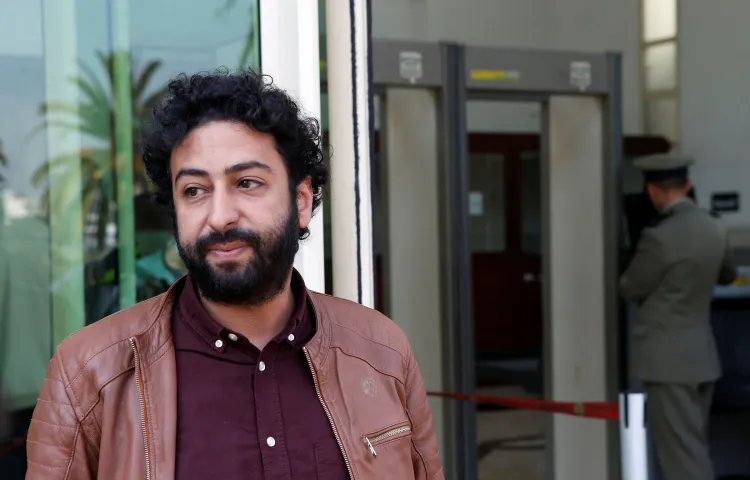
Morocco denies jailed journalist Omar Radi post-surgical care in hospital
New York, October 17, 2023—Moroccan authorities must immediately release journalist Omar Radi, and transfer him to a hospital to recover from surgery on a broken arm, the Committee to Protect Journalists said Tuesday. On Wednesday, Radi—who is serving a six-year jail term—broke his right arm in prison in Tiflet and was transferred to a hospital…
Moroccan authorities briefly arrest journalist Abdelmjid Amyay, ban Abdellatif al-Hamamouchi from traveling
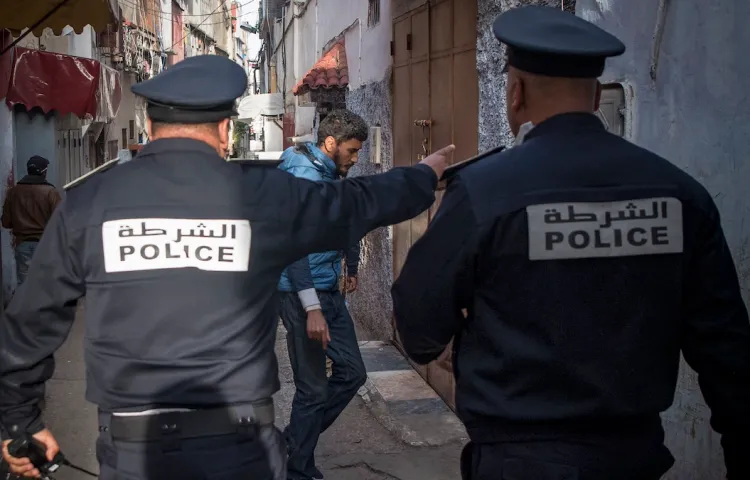
On October 5, 2023, Moroccan police arrested journalist Abdelmjid Amyay, director of local independent news website Chams Post, at a coffee shop in the northeastern city of Oujda and detained him for one night for sharing articles about corruption in the city on his personal Facebook page, according to news reports. The following day, authorities…
Morocco expels French journalists Quentin Müller and Thérèse Di Campo
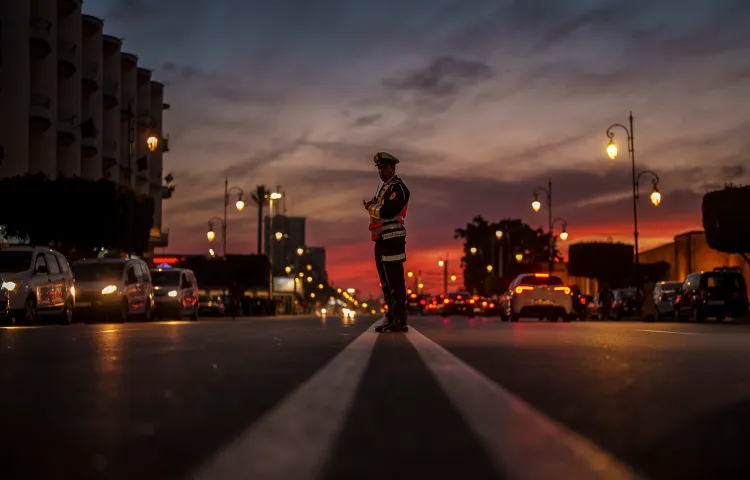
Around 3 a.m. on September 20, about 10 plainclothes police officers arrested French journalists Quentin Müller and Thérèse Di Campo in their hotel in Morocco’s largest city, Casablanca, and expelled them for their reporting on the rule of King Mohamed VI – a topic considered taboo in the country. Müller, a staff reporter with the…
CPJ condemns Moroccan court’s rejection of appeals by jailed journalists Soulaiman Raissouni and Omar Radi
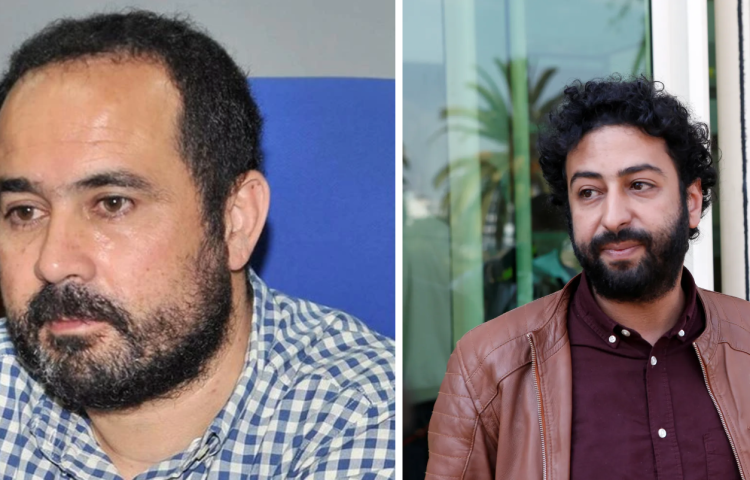
New York, July 19, 2023 – In response to news reports that the Moroccan court of cassation in Rabat on Tuesday rejected the final appeals of jailed journalists Soulaiman Raissouni and Omar Radi, the Committee to Protect Journalists issued the following statement of condemnation: “We are deeply disappointed by the court’s decision to keep Soulaiman…
CPJ calls for Morocco to release journalist Taoufik Bouachrine 5 years after his arrest
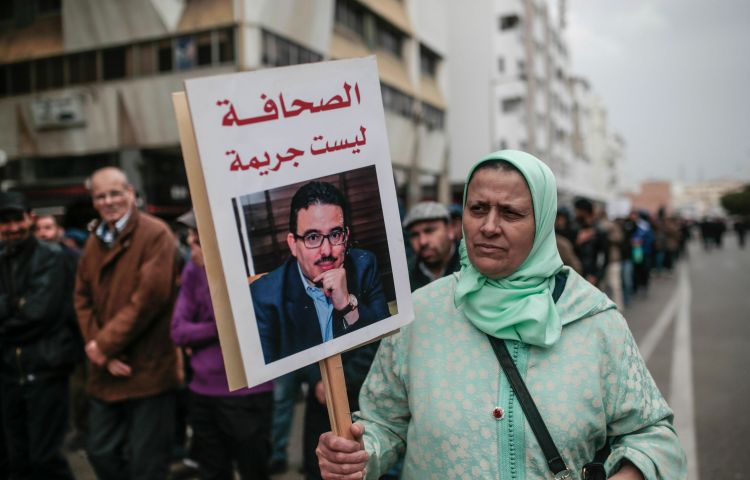
CPJ has joined 41 other rights groups urging Moroccan authorities to immediately release journalist Taoufik Bouachrine, former editor-in-chief of local independent newspaper Akhbar al-Youm, on the fifth anniversary of his arrest in 2018. Bouachrine is serving a 15-year prison sentence on sexual assault charges that were brought in retaliation for his reporting. The joint statement…