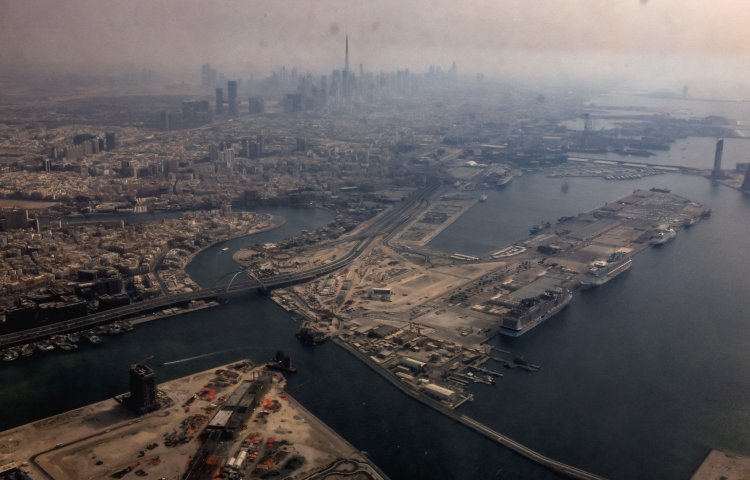
Press crackdowns in Gulf spike following Iran war, risk becoming permanent
Since the Iran war started late February, CPJ has documented a crackdown on the press across the Gulf and tracked unpublicized cases of arrests, intimidation, and legal and financial actions against journalists and their media outlets. The escalation represents a significant and underreported threat to press freedom in Gulf countries, where free speech was already…
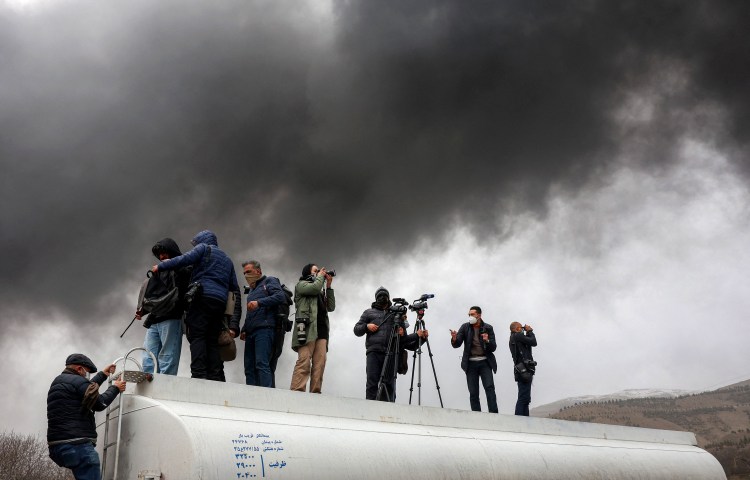
Global press freedom violations during the Iran war
The Committee to Protect Journalists is monitoring press freedom violations related to the ongoing military escalation between Israel, the U.S and Iran and its spillover across the Middle East, including its regional and global impact on journalists and media workers. Since the Iran war broke out on February 28, when the U.S and Israel launched…
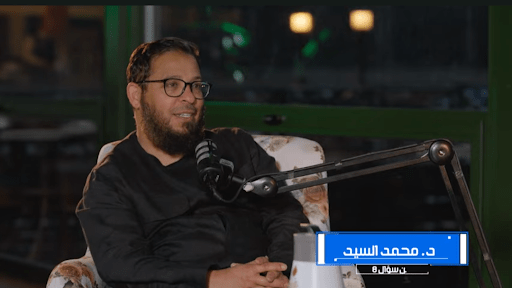
Saudi Arabia arrests program host Mohamed El-Sayed
Washington, D.C., January 29, 2026 — The Committee to Protect Journalists calls on Saudi authorities to disclose the reasons for the detention of Saudi television and YouTube program host Mohamed El-Sayed. According to the U.K.-based Arab Organization for Human Rights in the U.K. (AOHR) and the U.S.-based independent media outlet Watan, El-Sayed was taken into…
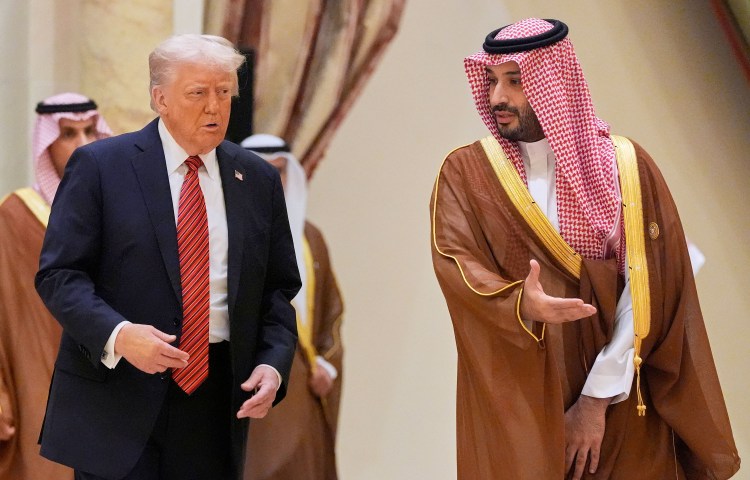
CPJ, partners call on US to prioritize rights during Saudi crown prince’s visit
Ahead of Saudi Crown Prince Mohammed bin Salman’s planned visit to Washington on November 18, 2025, the Committee to Protect Journalists and 10 other human rights and press freedom organizations released a joint statement calling on the U.S. government, including Congress, to address Saudi Arabia’s human rights abuses. The statement noted that this will be…
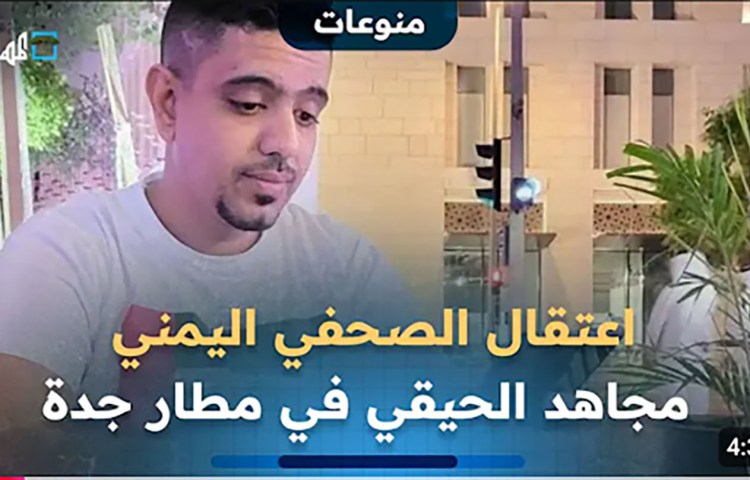
Saudi Arabia arrests Yemeni journalist Mujahid Al-Haiqi after pilgrimage
Washington, D.C., September 5, 2025—The Committee to Protect Journalists calls on Saudi authorities to justify their detention of freelance Yemeni journalist Mujahid Al-Haiqi at Saudi Arabia’s Jeddah airport last month, or immediately release him. “By arresting Mujahid Al-Haiqi without explanation, Saudi authorities show once again that journalists face tremendous perils in the kingdom, even when…

Saudi Arabia executes journalist Turki al-Jasser on treason, terrorism charges
Washington, D.C., June 14, 2025 — Saudi Arabia’s Ministry of Interior announced the Saturday execution of prominent Saudi journalist Turki al-Jasser, who had been detained for seven years on charges of treason, foreign collaboration, funding terrorism, and endangering national security and unity. Saudi authorities arrested al-Jasser in 2018 and seized his devices, believing that he…
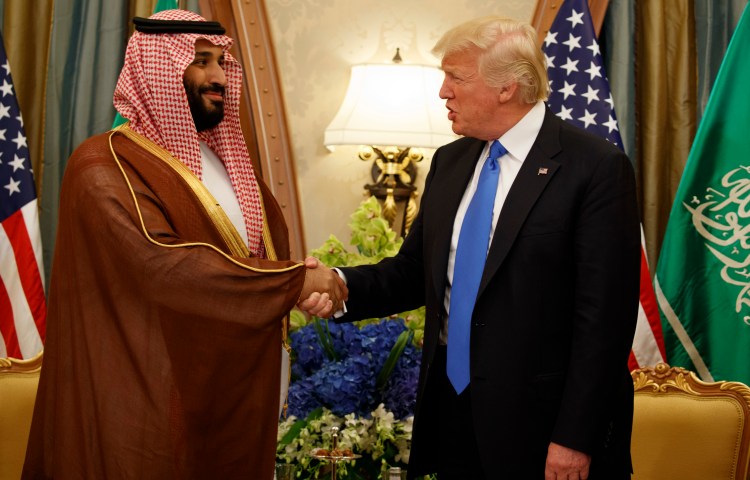
CPJ, partners condemn Saudi Arabia’s press freedom record ahead of Trump’s visit
Ahead of U.S. President Donald Trump’s visit to Saudi Arabia on May 13, the Committee to Protect Journalists and 16 other human rights organizations condemned the kingdom’s deteriorating press freedom, including journalists’ arrests, travel bans, surveillance, and disinformation aimed at silencing the media. The groups called on Saudi authorities to release all detained journalists, lift…
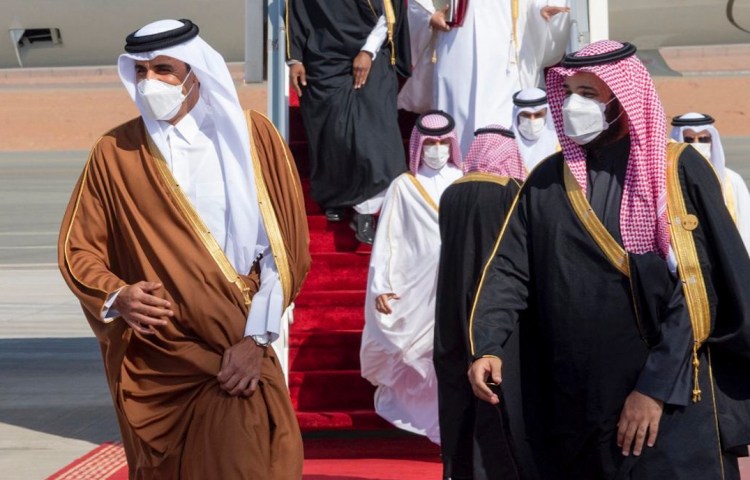
Saudi Arabia sentences cartoonist Mohammed al-Ghamdi to 23 years
Washington, D.C., October 18, 2024—The Committee to Protect Journalists calls on Saudi authorities to release Mohammed al-Ghamdi, a Saudi cartoonist for the Qatar-based Lusail newspaper, who was sentenced on an undisclosed date in 2024 to 23 years in prison on charges that his cartoons were sympathetic to Qatar and insulted the Saudi government. “By sentencing…
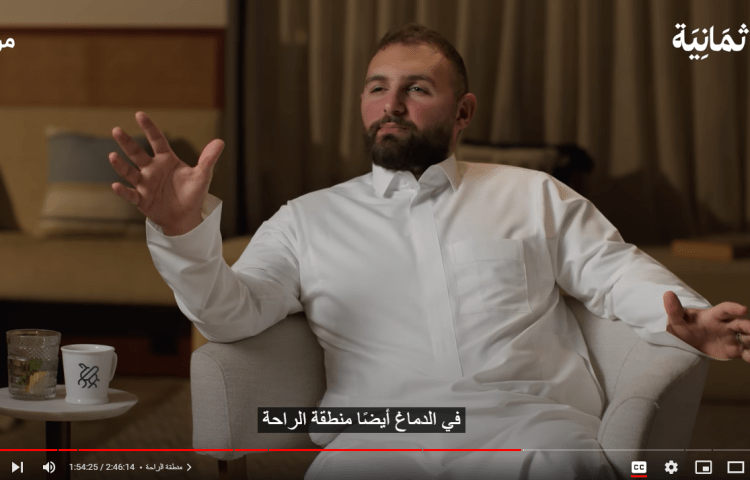
CPJ, 4 others urge Saudi authorities to release detained podcaster, other content creators
On July 10, the Committee to Protect Journalists joined four human rights organizations in urging Saudi authorities to immediately release various Saudi content creators and journalists, including Palestinian journalist and podcast presenter Hatem al-Najjar, who has been detained since January of this year. Al-Najjar is the host of the popular podcast “Muraba” (Square) on Thmanyah, a…
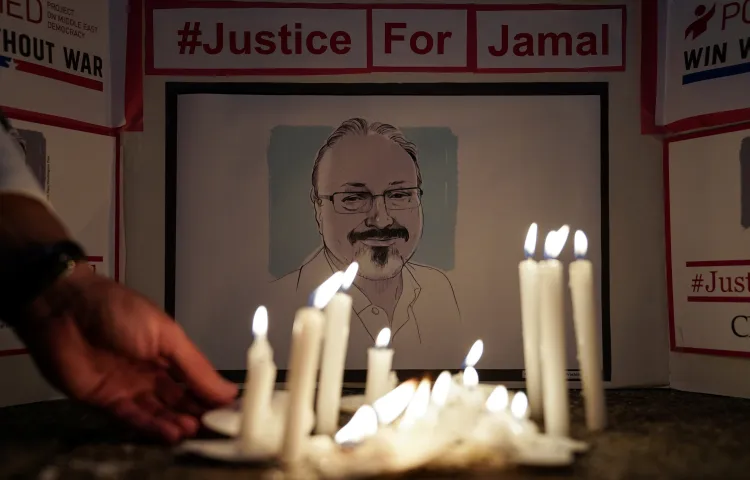
Mahoney: Biden’s Saudi policy stymies quest for Khashoggi justice
From pariah to potential partner. That’s how far Saudi Arabia has come for President Joe Biden in the five years since Riyadh sent a death squad to butcher journalist Jamal Khashoggi. The administration’s ongoing rehabilitation of the petrodollar kingdom and its de facto ruler Crown Prince Mohammed bin Salman, widely known as MBS, seems to…