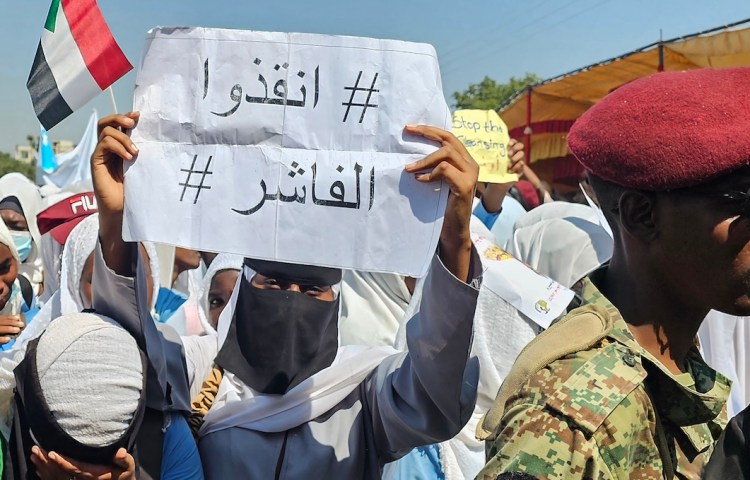
CPJ, partners call on Sudan’s RSF to release 3 female journalists detained in Darfur
The Committee to Protect Journalists was joined Monday by 16 civil society organizations in calling on the Sudanese paramilitary group Rapid Support Forces (RSF) to immediately release Nyala Radio journalists Ishraqah Abdulrahman, Zahraa Muhammad Al-Hassan, and Mawahib Ibrahim, who have been detained in South Darfur since February 28. CPJ and its partners expressed alarm over…
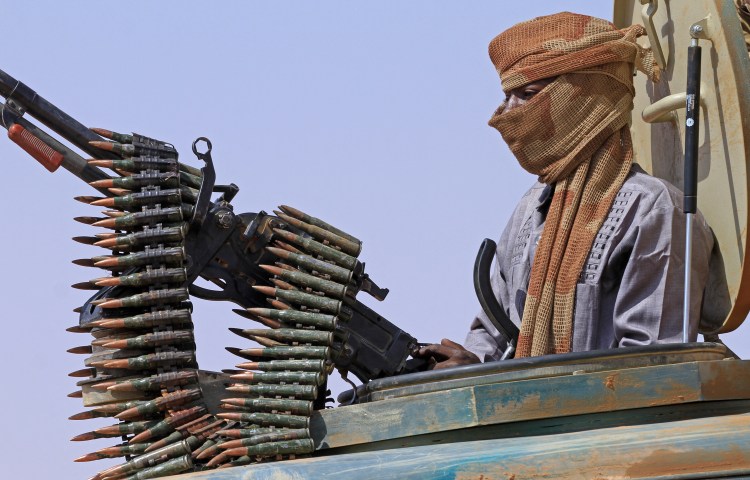
CPJ joins call to extend UN fact-finding mission on Sudan
New York, August 21, 2026 – The Committee to Protect Journalists (CPJ) joined 67 other civil society organizations in calling on the UN Human Rights Council to extend the mandate of the Independent International Fact-Finding Mission for the Sudan (FFM) for two years and provide it with adequate resources to investigate grave violations and support…
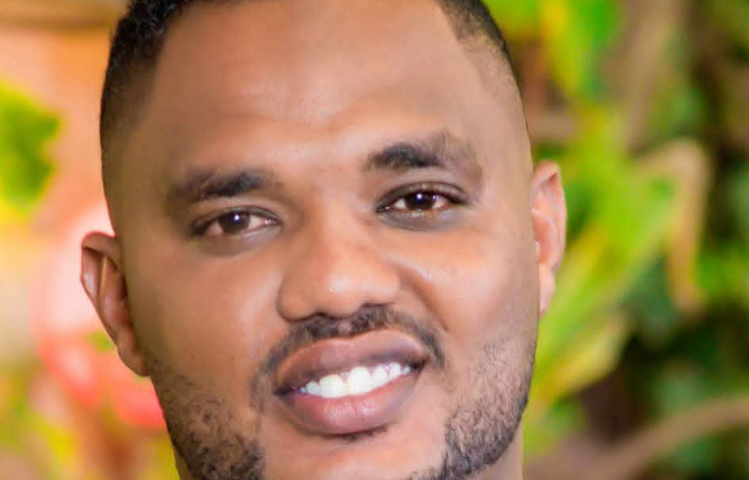
Sudan army-affiliated group detains journalist Alrayah Isam Gaksa
New York, August 5, 2026—The Committee to Protect Journalists calls for the immediate release of freelance journalist Alrayah Isam Gaksa, a contributor to local news website Hekaiyat and Baankhi Press, who was detained by the Sudan Shield Forces, an armed group allied with the Sudanese Armed Forces (SAF), while returning from a work assignment in…
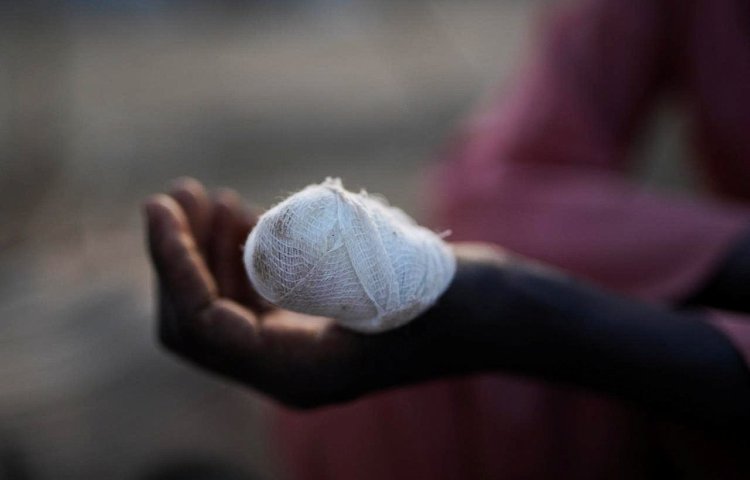
CPJ calls for release of ailing Sudanese journalists held by RSF, protection of Darfur 24 reporters
New York, July 30, 2026 – The Committee to Protect Journalists calls for the immediate release of Nyala Radio station journalists Ishraqah Abdulrahman, Zahraa Muhammad Al-Hassan and Mawahib Ibrahim, after reports that their health has deteriorated since their kidnapping by the Rapid Support Forces (RSF) paramilitary group in February. According to a member of the…

CPJ submits joint report to UN ahead of Sudan human rights review
The Committee to Protect Journalists, together with the Sudanese Journalists Syndicate (SJS), has submitted a report to the United Nations Human Rights Council documenting the devastating collapse of press freedom in Sudan, ahead of the country’s Universal Periodic Review (UPR). The UPR, a UN mechanism that reviews each member state’s human rights record every 4½…
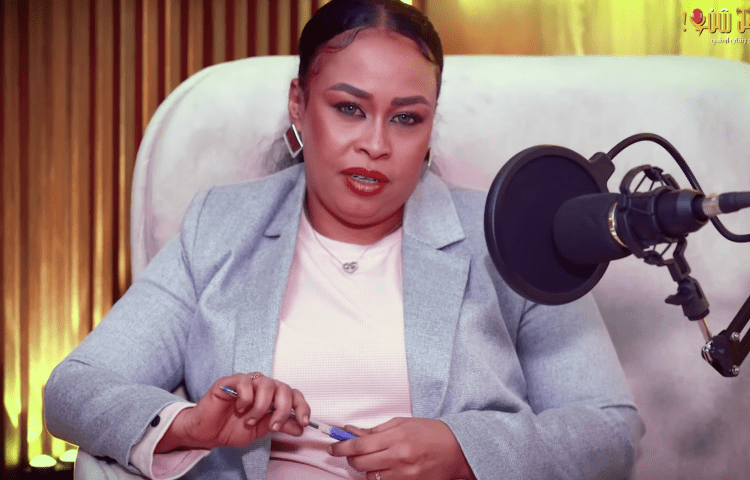
Sudanese authorities jail journalist Rishan Oshi over corruption reporting
New York, May 22, 2026—Sudanese authorities must immediately release journalist Rishan Oshi and stop using imprisonment to silence reporting on corruption and other matters of public interest, the Committee to Protect Journalists said Friday. On May 18, 2026, authorities arrested Oshi, a program host for local private television channel AlBalad TV, in Port Sudan after…
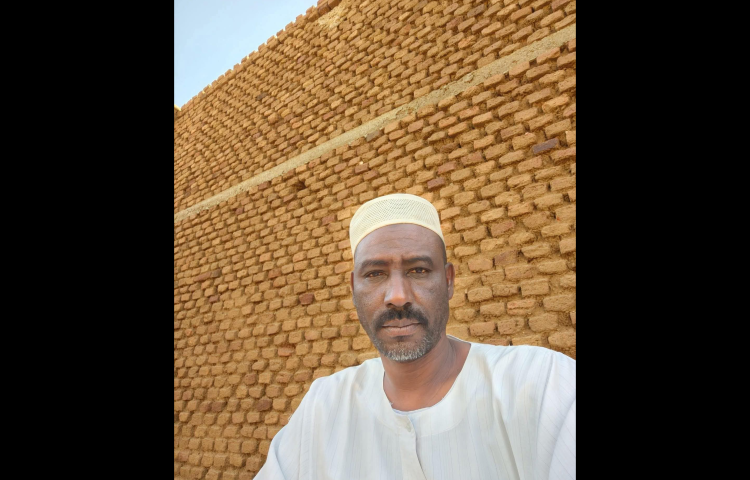
Sudan’s RSF paramilitary group detains journalist Adam Issac Minan
New York, May 7, 2026—The Committee to Protect Journalists calls on the Rapid Support Forces (RSF) in Sudan to immediately release journalist Adam Issac Minan, who was kidnapped by the paramilitary group on April 5, 2026, in the city of Kutum in North Darfur state, according to two local journalists, who spoke with CPJ on…

CPJ, partners urge decisive U.S. action to end Sudan war on third anniversary
New York, April 15, 2026—The Committee to Protect Journalists joined 28 other civil society organizations in a joint letter urging the United States to take decisive action to help end the war in Sudan, as it marks its third anniversary. The letter highlights escalating atrocities by both the Rapid Support Forces (RSF) and the Sudanese…

Sudan’s 3 years of war, impunity, and the silencing of the press
As Sudan’s war marks its third anniversary, on April 15, 2026, fighting between the Sudanese Armed Forces (SAF) and the Rapid Support Forces (RSF) has turned the country into one of the world’s most dangerous and deadliest environments for the press, where reporting the truth comes with the constant risk of imprisonment, disappearance, or death….
RSF paramilitary group detains 3 female journalists in Sudan’s Darfur
New York, March 16, 2026 – Sudan’s paramilitary group the Rapid Support Forces (RSF) must immediately release Nyala State Radio reporters Mawaheb Ibrahim, Zahraa Muhammad Al-Hassan, and Ishraqah Abdulrahan, a presenter and host at the radio station, who have been detained in Nyala, South Darfur, since February 28, the Committee to Protect Journalists said Monday….