Sudan
2011
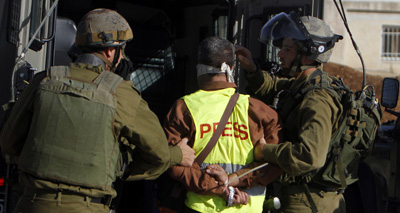
Sudan authorities continue to confiscate newspapers
New York, September 15, 2011–The Committee to Protect Journalists is alarmed by the growing censorship of newspapers in Sudan. In the past two weeks alone, the National Intelligence and Security Services (NISS) halted the distribution of four different opposition newspapers without cause.
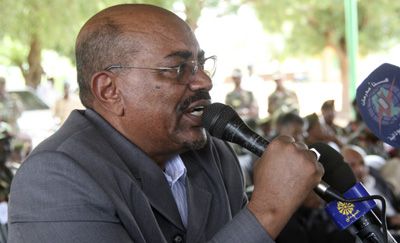
Sudan frees one journalist; at least 8 still held
New York, August 30, 2011–The Committee to Protect Journalists welcomes the release of a jailed journalist in Sudan, but is troubled by reports of the continued detention of at least eight others without charge. President Omar al-Bashir had announced Saturday that he would free all journalists detained in Sudan.
Sudanese government continues to target press freedom
New York, August 23, 2011–The Committee to Protect Journalists is disturbed by the continued violations of press freedom in Sudan. In August, Sudanese security services confiscated two newspapers, and on Monday, local journalists reported that the Sudanese National Assembly was considering introducing more restrictive press and publication laws that would further suffocate freedom of expression.
Sudan mounts contrived legal cases against journalists
New York, June 29, 2011–The Sudanese government continues to aggressively target individual journalists and publications through contrived legal proceedings, politicized criminal charges, and confiscations, the Committee to Protect Journalists said today.
Sudan journalists who report on rape charged with crimes
New York, June 6, 2011–The Committee to Protect Journalists today called on Sudan to drop criminal charges and abandon all other tactics of harassment employed against at least 10 journalists who have reported on the alleged rape and torture of a youth activist. The activist said she was raped after participating in a demonstration in…
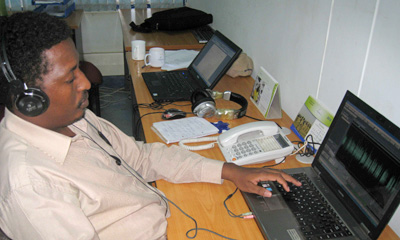
Sudan: Radio journalist held in Juba without charge
New York, May 26, 2011–The government of Southern Sudan must immediately release radio reporter Mohamad Arkou, who has been in detention for 15 days with no official charges, the Committee to Protect Journalists said today. Security agents arrested Arkou, a reporter with the U.S.-backed Sudan Radio Service and the Darfur News and Information Service, on…
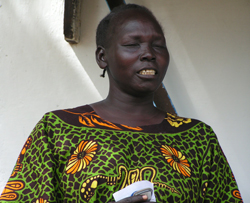
Remembering South Sudan’s pioneer female reporter
When The Juba Post’s star reporter, Apollonia Mathia, told me that so-called “tong tong” rebels had attacked again near Gumba, in southern Sudan, I looked at her warily. “Let me get the camera I’ll check it out,” she said. Apollonia planned to hop on our rickety motorbike to cover a story about the infamous Ugandan…
Attacks on the Press 2010: Middle East and North Africa Analysis
Suppression Under the Cover of National Security By Mohamed Abdel Dayem Relying on an extensive network of sources in the military, government, and Islamist groups, Yemeni freelance journalist Abdulelah Shaea had become a frequent and pointed critic of the administration’s counterterrorism efforts. By July, President Ali Abdullah Saleh’s government had enough, dispatching security agents to…