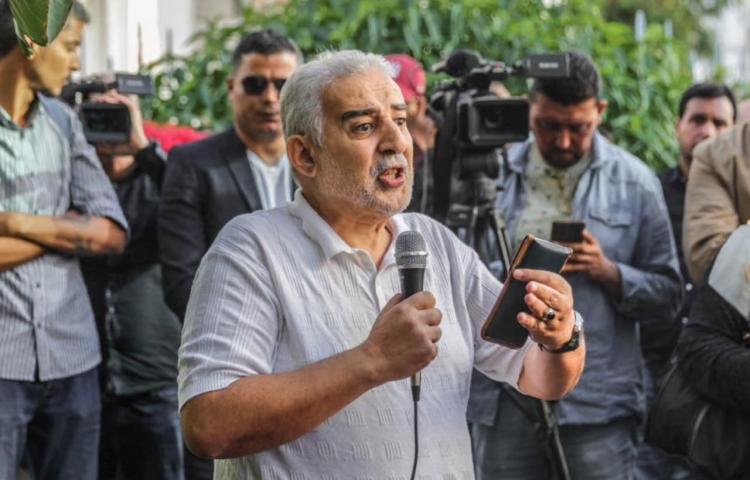
Imprisoned Tunisian journalist Zied el-Heni faces new terrorism charges
New York, September 16, 2026—Tunisian authorities must immediately and unconditionally release and drop all charges against journalist Zied el-Heni, who is serving a one-year prison sentence and faces two separate other criminal cases, including a new case where he is facing four terrorism-related charges that his family says could expose him to life imprisonment, the…
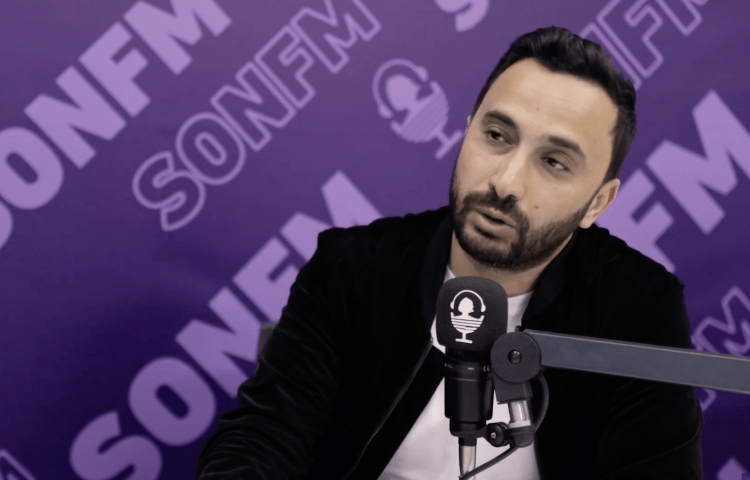
Tunisian authorities arrest journalist Mohamed Yousfi amid financial investigation
New York, September 7, 2026 —Tunisian authorities must immediately release journalist Mohamed Yousfi, a well-known critic of President Kais Saied’s government, and end its use of financial crime allegations to target members of the press, the Committee to Protect Journalists said Monday. On Friday, September 4, police from the financial crimes unit arrested Yousfi, editor-in-chief…

Neither free nor imprisoned: Tunisia’s journalists in legal limbo
In Tunisia, at least four journalists and commentators sentenced to prison over the last year remain free, trying to work and carry on with their daily lives while knowing they could be arrested and taken into custody. Two others are in exile, unable to return home without risking imprisonment. Whether they will eventually be forced…
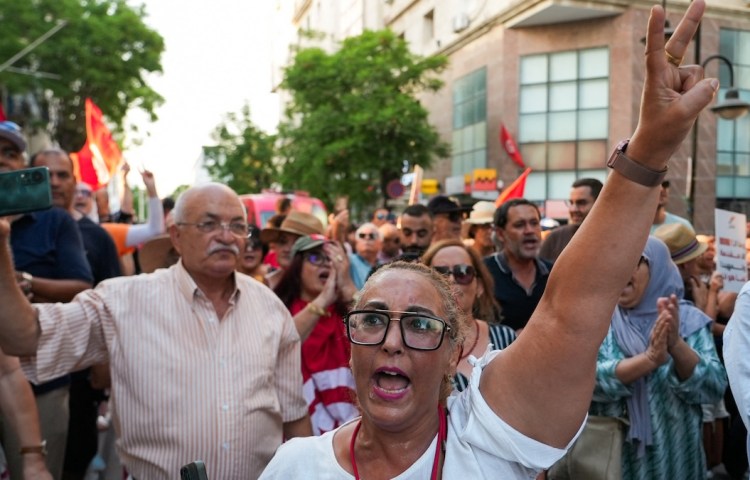
CPJ calls on Tunisia to release imprisoned journalists amid deadly heatwave
New York, August 31, 2026—The Committee to Protect Journalists calls on Tunisian authorities to immediately release journalists Zied el-Heni, Mourad Zghidi, and Borhen Bsaies, as reports of prisoner deaths amid an extreme heatwave raise grave concerns about life-threatening conditions in the country’s overcrowded prisons. At least 10 prisoners have died in recent weeks, as temperatures…
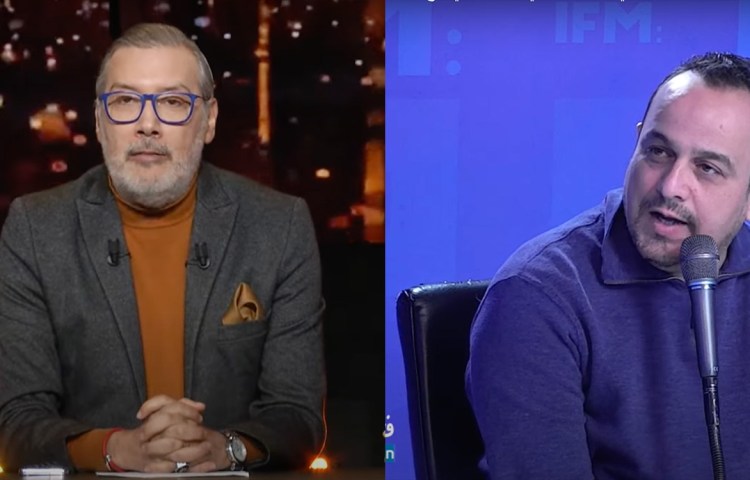
CPJ, partners urge Tunisia to end unjust imprisonment of journalists
The Committee to Protect Journalists joined partner organizations on Thursday to call for an end to the unjust imprisonment of journalists and other human rights defenders in Tunisia. In a joint statement to Tunisian authorities, the International Freedom of Expression Exchange (IFEX), along with CPJ, and 45 other organizations denounced Tunisia’s ongoing crackdown on freedom…

CPJ, partners call on EU to review approach toward Tunisia amid critical human rights decline
On Friday, the Committee to Protect Journalists and five other press freedom and human rights organizations sent a joint letter to the European Commission President Ursula von der Leyen calling for an immediate change in the EU’s approach toward Tunisia due to a severe human rights decline. The signatories urged von der Leyen to condemn…

Tunisian journalist Khaoula Boukrim sentenced in absentia to 4 years in prison
New York, June 11, 2026 — Tunisian authorities should immediately overturn the four-year prison sentence imposed in absentia on prominent journalist Khaoula Boukrim, founder of local independent news website TUMEDIA, and stop using cybercrime Decree-Law 54 to prosecute journalists and critics for their reporting and expression, the Committee to Protect Journalists said Thursday. Boukrim, who…
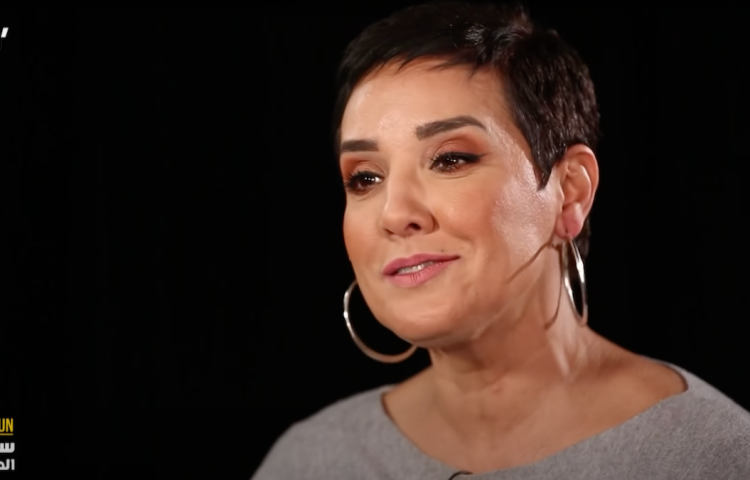
CPJ condemns Tunisia’s judicial harassment of Sonia Dahmani after fresh conviction
New York, May 25, 2026—The Committee to Protect Journalists condemns the continued judicial harassment of lawyer and media commentator Sonia Dahmani, amid escalating attacks on press freedom in Tunisia, including the obstruction of journalists covering public protests. The sustained targeting of journalists, commentators, and independent voices signals a dangerous deterioration of civic space and media…
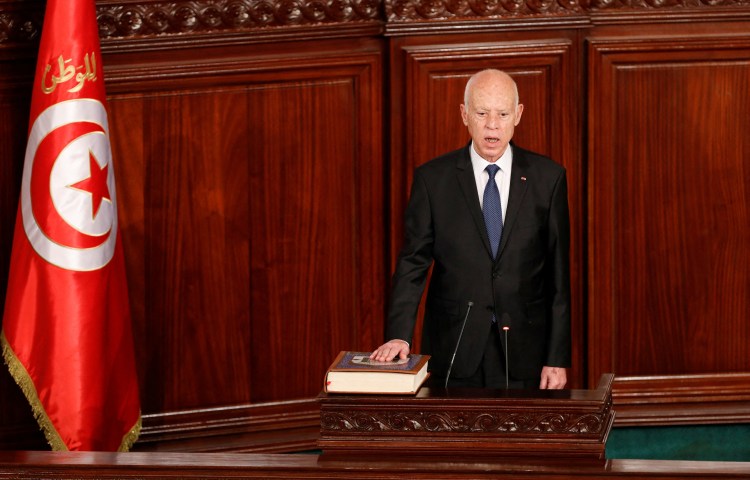
Beyond Decree 54: Tunisia’s latest measures to silence the press
For years, Tunisia was viewed as one of the few post-Arab Spring success stories for press freedom in the region. In the decade following the 2011 revolution, journalists gained greater space to investigate corruption, criticize authorities, and report more openly than anywhere else in North Africa. Those gains, while incomplete, marked a significant break from…
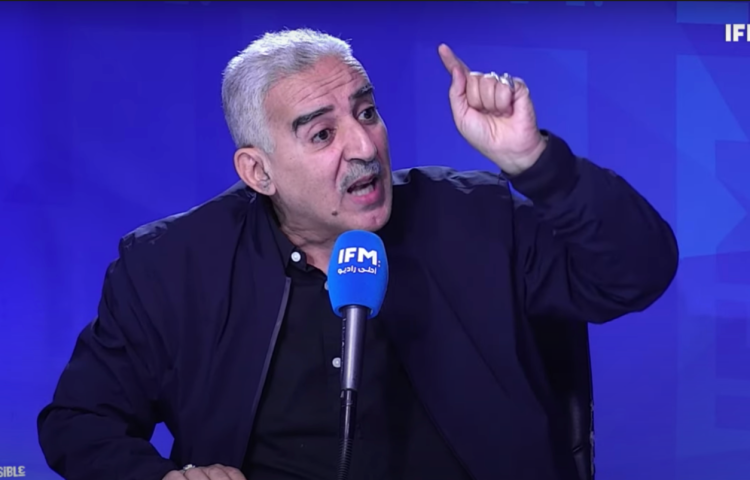
Tunisia court sentences journalist Zied el-Heni to 1 year in prison
New York, May 8, 2026 – Tunisian authorities must immediately and unconditionally release journalist Zied el-Heni and stop prosecuting journalists under repressive laws for their reporting and commentary, the Committee to Protect Journalists said Friday after a Tunis court sentenced him to one year in prison. On May 7, authorities convicted El-Heni, founder of the…