
CPJ, partners call on EU to review approach toward Tunisia amid critical human rights decline
On Friday, the Committee to Protect Journalists and five other press freedom and human rights organizations sent a joint letter to the European Commission President Ursula von der Leyen calling for an immediate change in the EU’s approach toward Tunisia due to a severe human rights decline. The signatories urged von der Leyen to condemn…
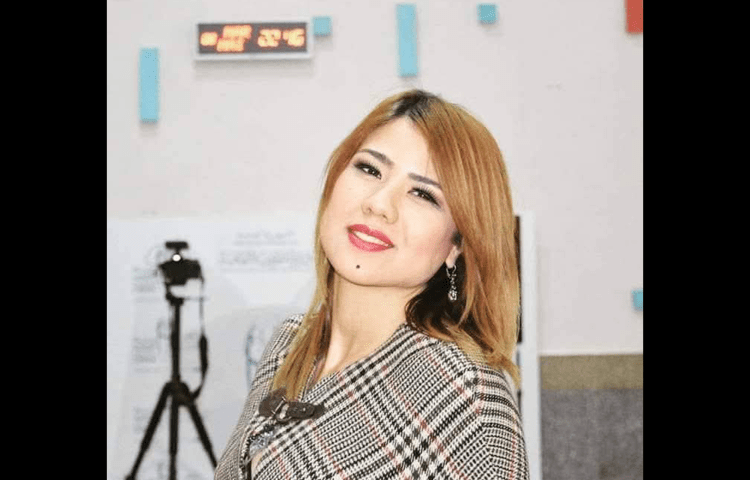
Tunisian journalist Khaoula Boukrim sentenced in absentia to 4 years in prison
New York, June 11, 2026 — Tunisian authorities should immediately overturn the four-year prison sentence imposed in absentia on prominent journalist Khaoula Boukrim, founder of local independent news website TUMEDIA, and stop using cybercrime Decree-Law 54 to prosecute journalists and critics for their reporting and expression, the Committee to Protect Journalists said Thursday. Boukrim, who…
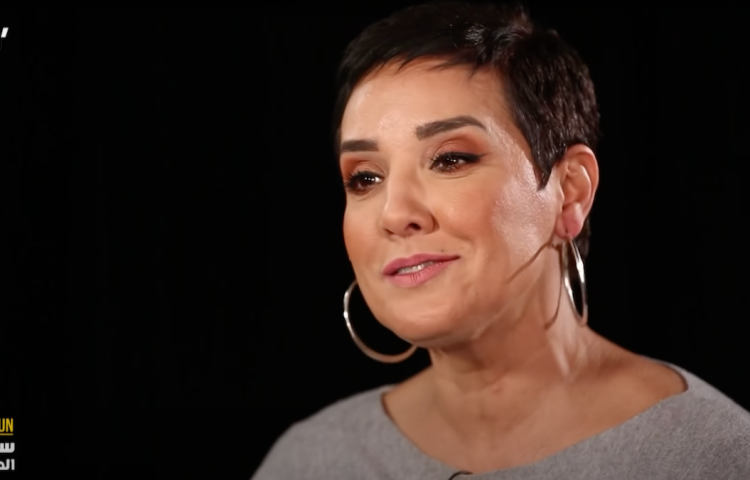
CPJ condemns Tunisia’s judicial harassment of Sonia Dahmani after fresh conviction
New York, May 25, 2026—The Committee to Protect Journalists condemns the continued judicial harassment of lawyer and media commentator Sonia Dahmani, amid escalating attacks on press freedom in Tunisia, including the obstruction of journalists covering public protests. The sustained targeting of journalists, commentators, and independent voices signals a dangerous deterioration of civic space and media…
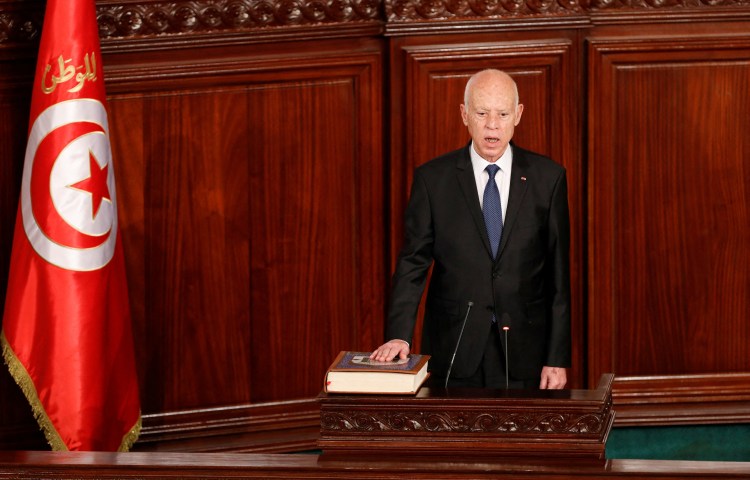
Beyond Decree 54: Tunisia’s latest measures to silence the press
For years, Tunisia was viewed as one of the few post-Arab Spring success stories for press freedom in the region. In the decade following the 2011 revolution, journalists gained greater space to investigate corruption, criticize authorities, and report more openly than anywhere else in North Africa. Those gains, while incomplete, marked a significant break from…
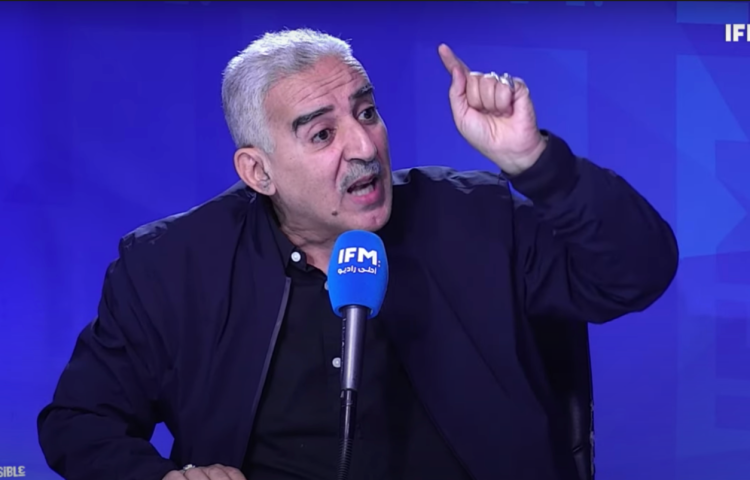
Tunisia court sentences journalist Zied el-Heni to 1 year in prison
New York, May 8, 2026 – Tunisian authorities must immediately and unconditionally release journalist Zied el-Heni and stop prosecuting journalists under repressive laws for their reporting and commentary, the Committee to Protect Journalists said Friday after a Tunis court sentenced him to one year in prison. On May 7, authorities convicted El-Heni, founder of the…
Tunisia rearrests journalist Zied el-Heni, who launches hunger strike
New York, April 28, 2026—Tunisian authorities must immediately release journalist Zied el-Heni, who has been placed in pretrial detention over a social media post last week, the Committee to Protect Journalists said Tuesday. El-Heni, editor-in-chief of independent news site Tunisian Press, was arrested on April 24, 2026, after complying with a summons to appear before…
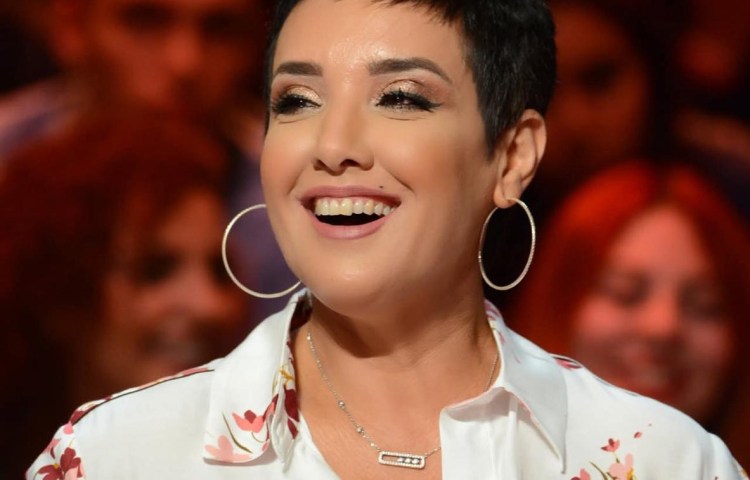
CPJ condemns 18-month sentence against Tunisian commentator Sonia Dahmani
New York, April 13, 2026—The Committee to Protect Journalists calls on Tunisian authorities to repeal the April 13 appeals court decision to uphold the conviction of Tunisian political commentator and lawyer Sonia Dahmani while reducing her sentence to 18 months in prison. Dahmani is currently free, but she risks being arrested at any moment, her…
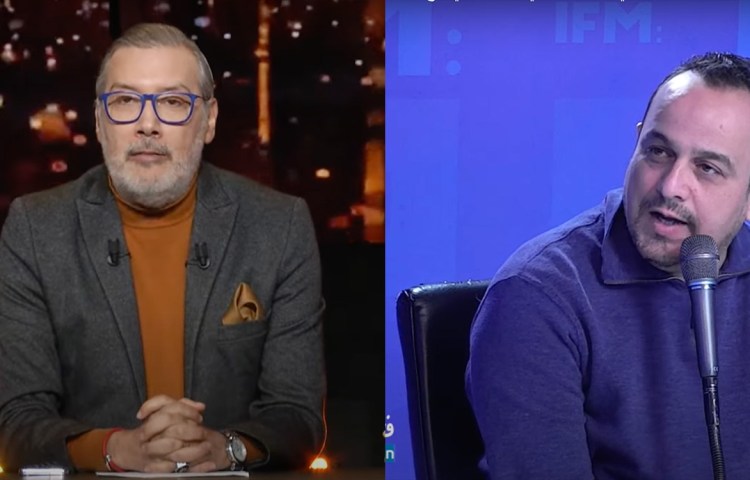
Tunisia issues fresh 3½-year jail terms to journalists Mourad Zghidi and Borhen Bsaies
New York, January 26, 2026—The Committee to Protect Journalists condemns the three-and-a-half year prison sentences handed down to prominent Tunisian journalists Mourad Zghidi and Borhen Bsaies for tax evasion, which are widely seen as in retaliation for their reporting. Zghidi and Baaies, who work for the local independent radio station IFM, have been behind bars…
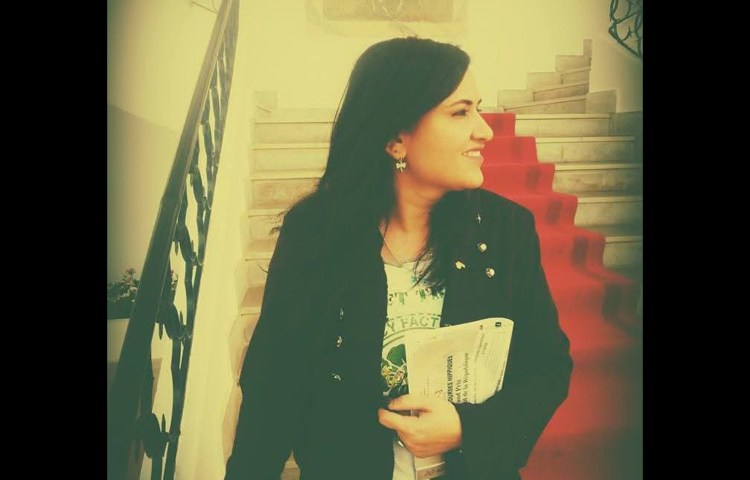
CPJ urges release of Tunisian journalist Chadha Hadj Mbarek over health concerns
New York, January 8, 2026—The Committee to Protect Journalists calls on Tunisian authorities to immediately and unconditionally release jailed Tunisian journalist Chadha Hadj Mbarek and ensure she receives urgent, adequate medical care following reports that her health has severely deteriorated in prison. “Denying detained journalist Chadha Hadj Mbarek timely and urgent life-saving medical care is…

The law powering Tunisia’s crackdown on the press
Since President Kais Saied’s consolidation of power in 2021, Tunisia’s press freedom landscape has narrowed sharply. A single piece of legislation—Decree-Law No. 2022-54 on combating “crimes related to information and communication systems”—has become the legal hammer used to silence critics, criminalize routine reporting, and imprison at least five journalists. The release of lawyer and commentator…