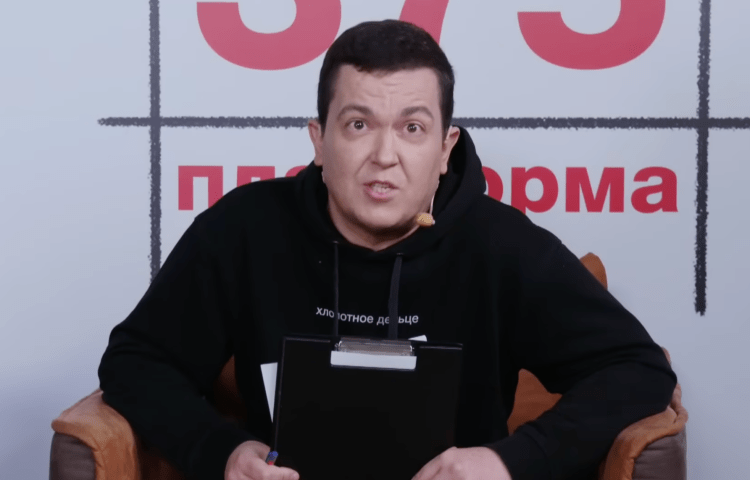
Belarus jails journalist Kyril Pazniak for 3 ½ years
New York, June 26, 2026—The Committee to Protect Journalists condemns the June 26 sentencing of Belarusian journalist Kyril Pazniak to three years and six months in prison, and calls on Belarusian authorities to release him immediately. The court in Minsk, the capital, convicted Pazniak on charges of creating an extremist group and discrediting Belarus. The court also fined Pazniak 24,750 Belarusian rubles (US$8,530). …
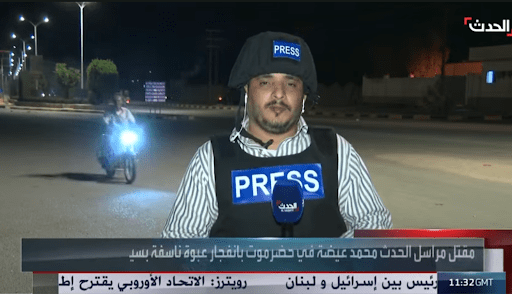
Al-Arabiya correspondent killed by car bomb in Yemen
Washington, D.C., June 25, 2026 — The Committee to Protect Journalists calls on Yemen’s internationally recognized government to conduct an immediate, transparent investigation into Mohammed Aydah’s killing. Aydah, a correspondent for Saudi-owned channels Al-Arabiya and Al-Hadath, was killed on Wednesday when an explosive device detonated under the driver’s seat of his vehicle in the southern…
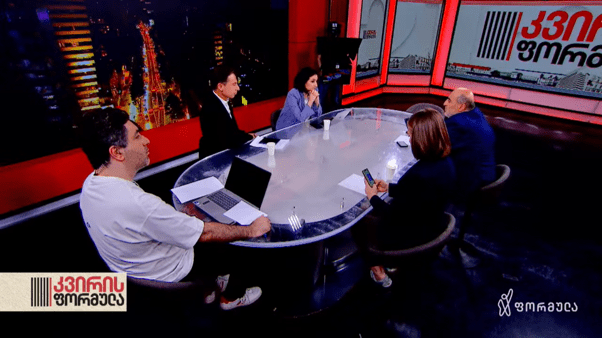
Georgia opens criminal probe into independent broadcaster Formula TV
New York, June 25, 2026—The Committee to Protect Journalists calls on Georgia to drop a criminal investigation into independent broadcaster Formula TV after prosecutors on June 17 announced a probe into the pro-opposition outlet on the charge of false denunciation of a crime. Eter Katamadze, a lawyer for Formula TV, told CPJ this was the…
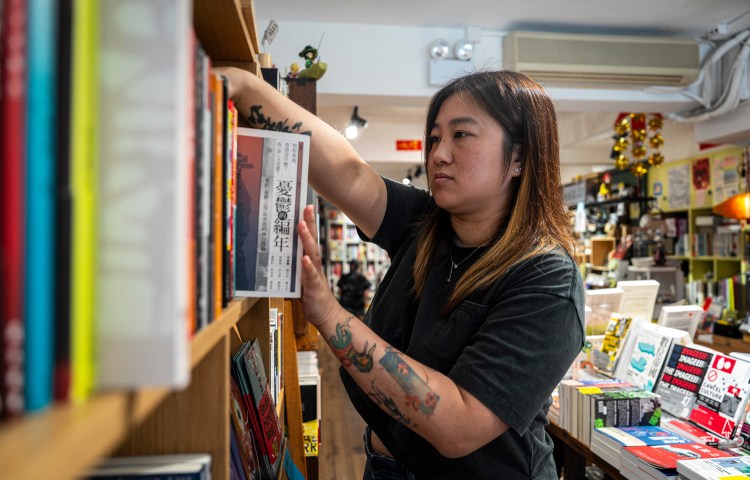
Hong Kong arrests magazine editor in sedition probe tied to independent bookstore
New York, June 25, 2026—The Committee to Protect Journalists calls on Hong Kong authorities to immediately release journalist and bookseller Leticia Wong Man-huen who was arrested on suspicion of selling seditious publications and receiving funds from foreign political organizations. “The arrest of a journalist and editor over items sold through an independent bookstore shows Hong…
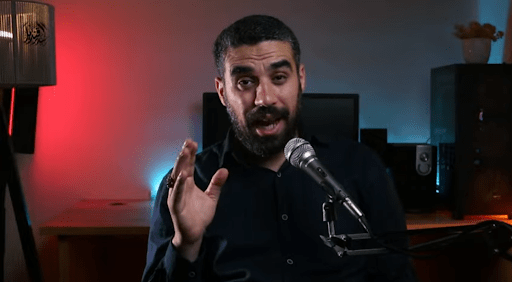
Egypt must account for missing journalist Haidar Qandil
Washington, D.C., June 24, 2026—The Committee to Protect Journalists calls on Egyptian authorities to immediately reveal the whereabouts of prominent journalist Haidar Qandil, who disappeared Monday after leaving his office, according to his family and several media outlets. Freelance Egyptian journalist Iman Adel said in a Facebook post that she had been in contact with…
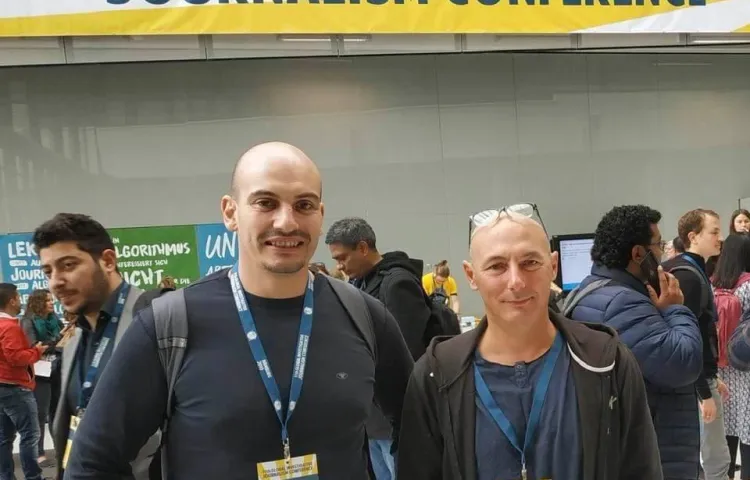
Bulgarian investigative journalist Dimitar Stoyanov faces threat of violence
Berlin, June 24, 2026—Bulgarian authorities must thoroughly investigate reports that prominent journalist Dimitar Stoyanov is facing threats of violence linked to his reporting and act immediately to guarantee his safety, the Committee to Protect Journalists said Wednesday. The Bureau for Investigative Reporting and Data (BIRD), where Stoyanov works, told CPJ that two anonymous witnesses had…
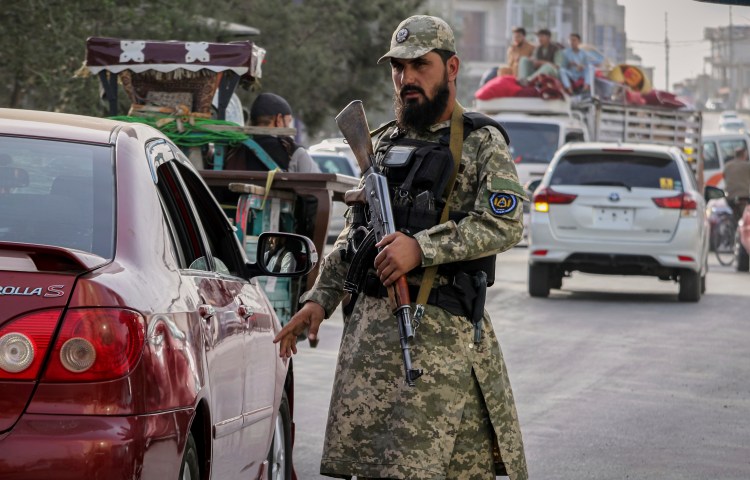
Taliban shuts down Tamadon TV amid crackdown on Afghanistan’s Shia broadcasters
New York, June 24, 2026—Taliban authorities must allow broadcaster Tamadon TV to resume operations without interference and stop their escalating crackdown on Afghanistan’s independent media, the Committee to Protect Journalists said Wednesday. On June 23, several armed members of the Taliban’s Ministry of Justice raided Tamadon TV’s headquarters in the capital city of Kabul, insulted…
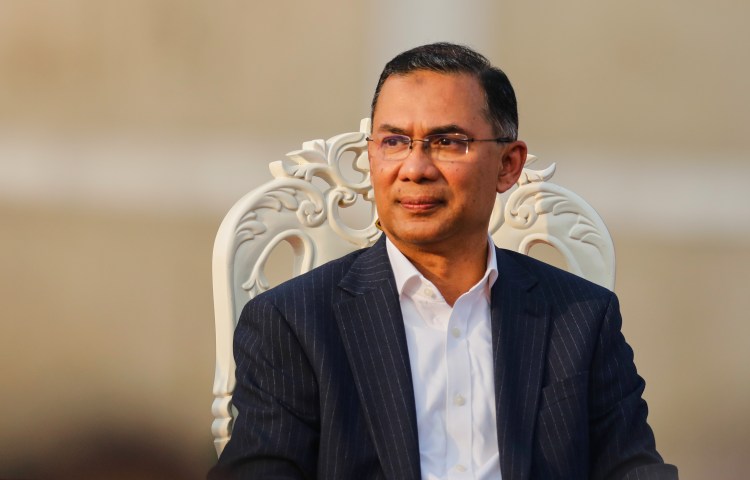
Bangladesh charges 6 journalists over corruption reporting
New Delhi, June 22, 2026—Bangladeshi authorities should drop all charges filed against six journalists from the daily Agrajatra Pratidin who have been criminalized for their public-interest reporting on political corruption, the Committee to Protect Journalists said Monday. Police have charged the journalists under the Cyber Security Act 2026, as well as with criminal defamation, extortion,…
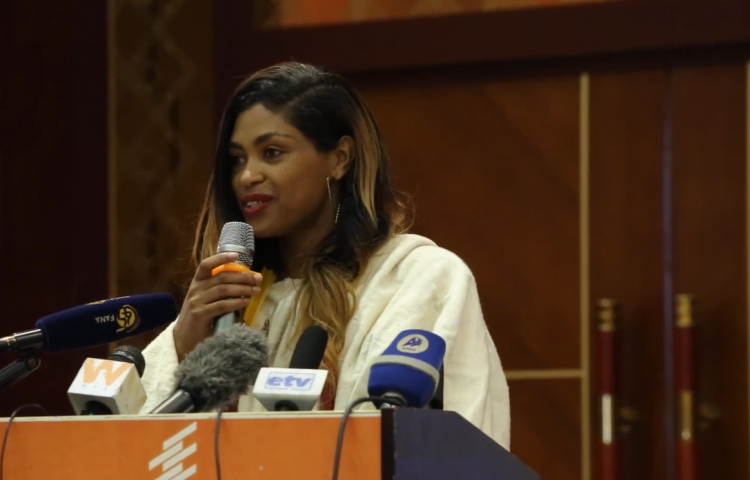
Ethiopian journalist Salsawit Baynesagn detained without charge
New York, June 19, 2026—The Committee to Protect Journalists calls on Ethiopian authorities to immediately release journalist Salsawit Baynesagn or bring her before a court, disclose any charges against her, and ensure that she is not being held in retaliation for her commentary. Her family told CPJ that they suspect her detention is linked to…
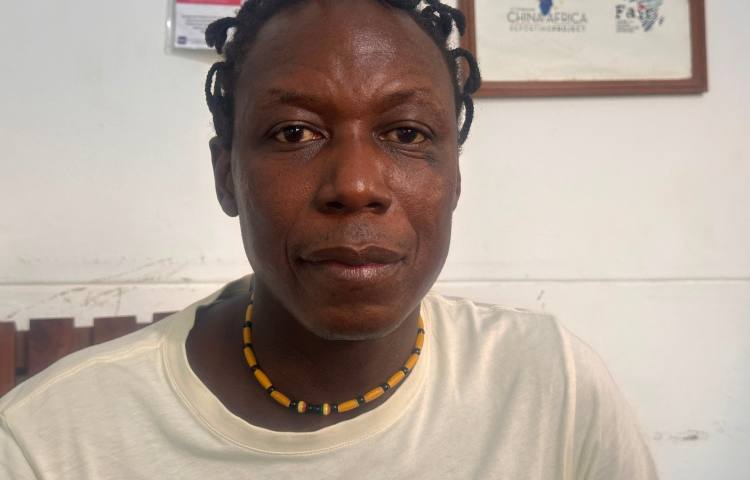
Mozambique’s Estacio Valoi faces ‘clear intimidation’ over environmental reporting
New York, June 17, 2026—The Committee to Protect Journalists calls on Mozambican authorities to return the equipment of prominent investigative journalist Estacio Valoi and to end the intimidation of reporters covering environmental crimes and conflict in northern Cabo Delgado province. On June 16, three National Criminal Investigation Service (SERNIC) agents went to Valoi’s home in…