Washington, October 13, 2004—The Committee to Protect Journalists is alarmed that a U.S. federal judge has ordered a second journalist to jail for refusing to testify before a grand jury investigating the leak of a CIA operative’s identity.
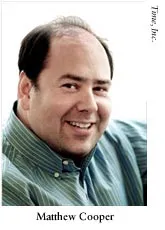
Judge Thomas F. Hogan today ordered Time magazine reporter Matthew Cooper to jail until he agrees to testify about his sources in the CIA leak case. He could be imprisoned for up to 18 months.
Judge Hogan, ruling in the U.S. District Court of Washington, also ordered Time magazine to start paying a daily fine of $1,000 for refusing to turn over documentation requested by prosecutors under a subpoena in the same case.
The judge stayed both his sentence against Cooper and the fine against Time pending an appeal.
Last week, Judge Hogan also ordered The New York Times correspondent Judith Miller jailed for refusing to testify before the same grand jury in the CIA leak case. Judge Hogan also stayed the jail sentence against her pending an appeal.
Appeal consolidated, expedited
Judge Hogan also announced today that lawyers for both journalists and the special prosecutor in the CIA leak case have agreed to consolidate three appeals into one appellate brief on behalf of The New York Times‘ Miller, Time magazine, and Time reporter Cooper. Counsel for all sides also agreed to an expedited schedule for the appeal to be resolved before the end of the year.
The Department of Justice appointed Chicago-based Special Prosecutor Patrick Fitzgerald to investigate who in the U.S. government named Valerie Plame as a CIA operative, a violation of federal law. The syndicated columnist Robert Novak was the first to reveal her identity, quoting unnamed administration sources. Novak has not said whether he has testified before the grand jury.
Fitzgerald, when approached inside the courthouse by CPJ, declined to comment.
Judge Hogan said today that the prosecutors’ requests that journalists name their confidential sources before the grand jury was “not an assault on the First Amendment,” arguing that the prosecutors demands were “appropriate” in terms of balancing “freedom of the press and the need for criminal prosecution.”
The judge also recognized that by refusing to disclose their confidential sources, Miller and Cooper have been “acting professionally in good faith, but refusing to obey an order of the court,” he added, “places them in contempt.”
Floyd Abrams, the attorney for Time magazine and Matthew Cooper, as well as for The New York Times‘ Judith Miller, told journalists after the ruling, “The fact that Mr. Cooper wrote an article exposing what he viewed as misconduct by the government and that now he could be jailed by the same government is not only ironic, but particularly disturbing.”
