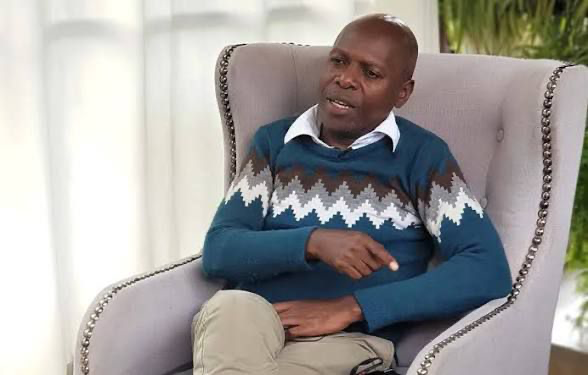
‘Press freedom is dead’: Journalist detained in Ugandan media crackdown
Lusaka, July 2, 2026—The Committee to Protect Journalists calls on Ugandan authorities to immediately release veteran journalist Timothy Kalyegira, whose detention coincides with the military’s shutdown of east and central Africa’s largest media house. “The detention of Timothy Kalyegira marks another troubling escalation in Uganda’s assault on independent journalism, with authorities using not only soldiers but also…

Pakistan suspends Geo News broadcast license for 15 days over religious content
New York, July 2, 2026—The Committee to Protect Journalists calls on Pakistan’s media regulator to immediately lift its 15-day suspension of Geo News’ broadcast license after the news network was reprimanded over content aired during a program marking Muharram, one of the holiest months in the Islamic calendar. The Pakistan Electronic Media Regulatory Authority (PEMRA)…
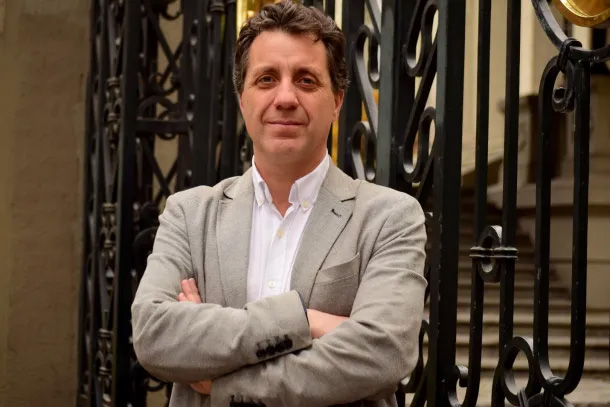
Ex-judge, ex-general sentenced to 5 years for spying on Chilean journalist
São Paulo, July 1, 2026—The Committee to Protect Journalists welcomes an unprecedented June 30 court decision that sentenced a former judge and an ex-general to five years in prison for illegally spying on independent journalist Mauricio Weibel Barahona as he was investigating corruption in the Chilean army. Weibel’s investigation, “Milicogate: The Great Theft from the…
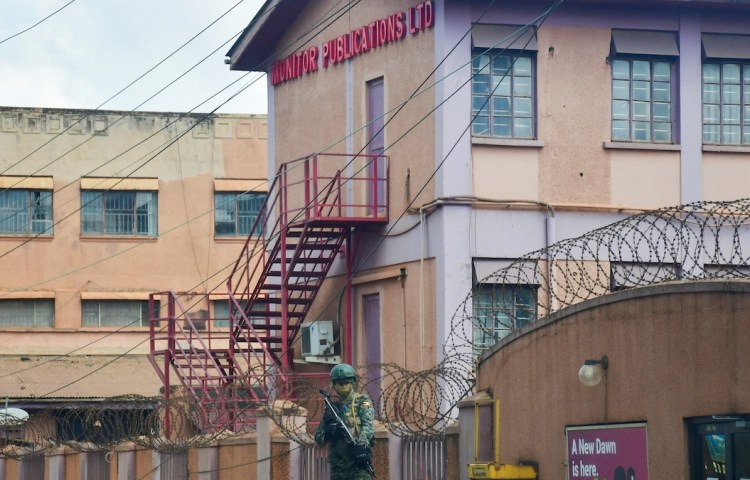
Uganda military chief orders Nation Media Group shutdowns, threatens Managing Director Susan Nsibirwa
New York, June 29, 2026—The Committee to Protect Journalists calls for Ugandan authorities to swiftly and unreservedly remove security forces from the premises of the privately owned Nation Media Group-Uganda (NMG-U), permit the company to operate freely, and ensure Managing Director Susan Nsibirwa can work without concern that she may be arrested or attacked. In…
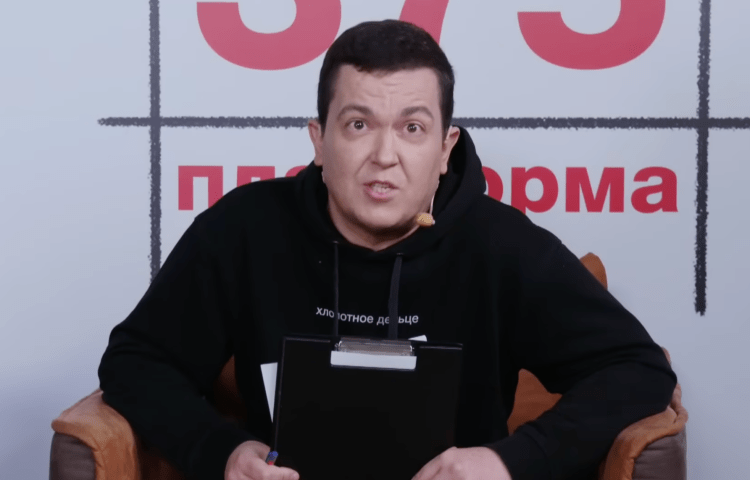
Belarus jails journalist Kyril Pazniak for 3 ½ years
New York, June 26, 2026—The Committee to Protect Journalists condemns the June 26 sentencing of Belarusian journalist Kyril Pazniak to three years and six months in prison, and calls on Belarusian authorities to release him immediately. The court in Minsk, the capital, convicted Pazniak on charges of creating an extremist group and discrediting Belarus. The court also fined Pazniak 24,750 Belarusian rubles (US$8,530). …
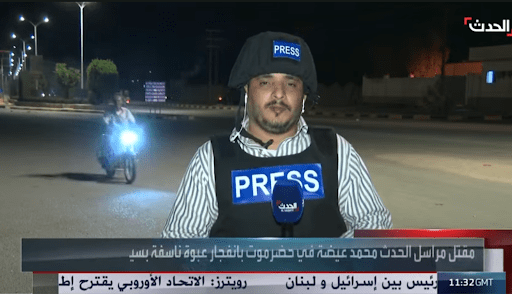
Al-Arabiya correspondent killed by car bomb in Yemen
Washington, D.C., June 25, 2026 — The Committee to Protect Journalists calls on Yemen’s internationally recognized government to conduct an immediate, transparent investigation into Mohammed Aydah’s killing. Aydah, a correspondent for Saudi-owned channels Al-Arabiya and Al-Hadath, was killed on Wednesday when an explosive device detonated under the driver’s seat of his vehicle in the southern…
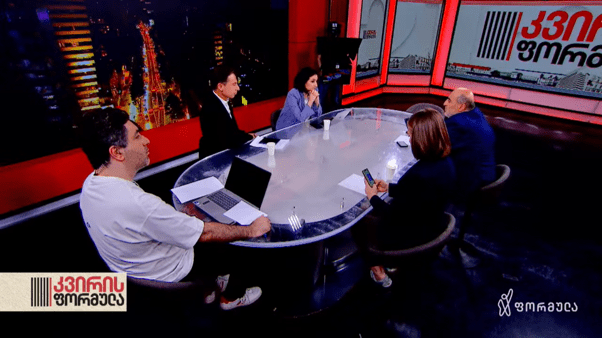
Georgia opens criminal probe into independent broadcaster Formula TV
New York, June 25, 2026—The Committee to Protect Journalists calls on Georgia to drop a criminal investigation into independent broadcaster Formula TV after prosecutors on June 17 announced a probe into the pro-opposition outlet on the charge of false denunciation of a crime. Eter Katamadze, a lawyer for Formula TV, told CPJ this was the…
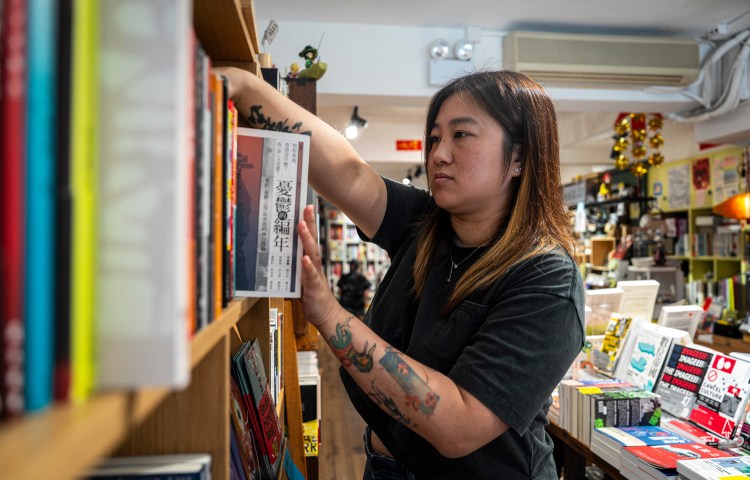
Hong Kong arrests magazine editor in sedition probe tied to independent bookstore
New York, June 25, 2026—The Committee to Protect Journalists calls on Hong Kong authorities to immediately release journalist and bookseller Leticia Wong Man-huen who was arrested on suspicion of selling seditious publications and receiving funds from foreign political organizations. “The arrest of a journalist and editor over items sold through an independent bookstore shows Hong…
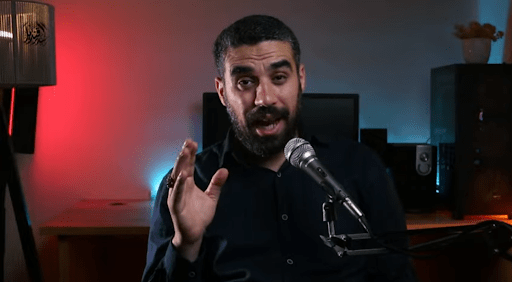
Egypt must account for missing journalist Haidar Qandil
Washington, D.C., June 24, 2026—The Committee to Protect Journalists calls on Egyptian authorities to immediately reveal the whereabouts of prominent journalist Haidar Qandil, who disappeared Monday after leaving his office, according to his family and several media outlets. Freelance Egyptian journalist Iman Adel said in a Facebook post that she had been in contact with…
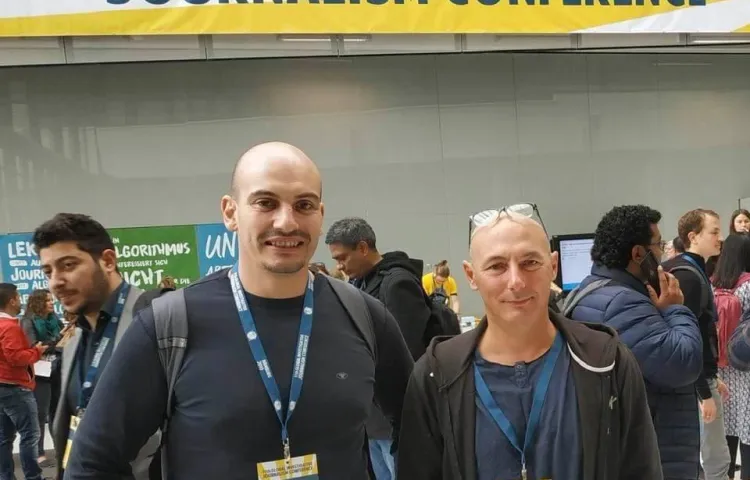
Bulgarian investigative journalist Dimitar Stoyanov faces threat of violence
Berlin, June 24, 2026—Bulgarian authorities must thoroughly investigate reports that prominent journalist Dimitar Stoyanov is facing threats of violence linked to his reporting and act immediately to guarantee his safety, the Committee to Protect Journalists said Wednesday. The Bureau for Investigative Reporting and Data (BIRD), where Stoyanov works, told CPJ that two anonymous witnesses had…