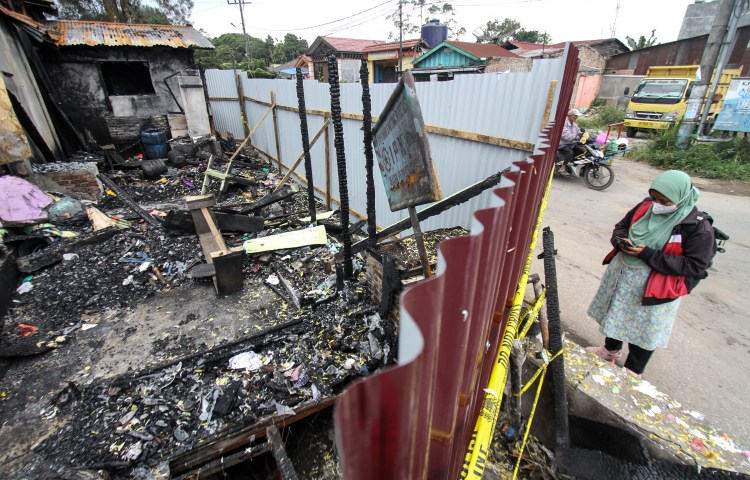
Impunity in Indonesia: The leads left unfollowed in journalist Rico Sempurna Pasaribu’s murder
Introduction Around 3:30 a.m. on June 27, 2024, Rico Sempurna Pasaribu and three of his family members were murdered when their home in the Sumatran town of Kabanjahe was doused with gasoline and set on fire. News spread quickly when it became clear the target of the attack was a journalist with news site Tribrata…
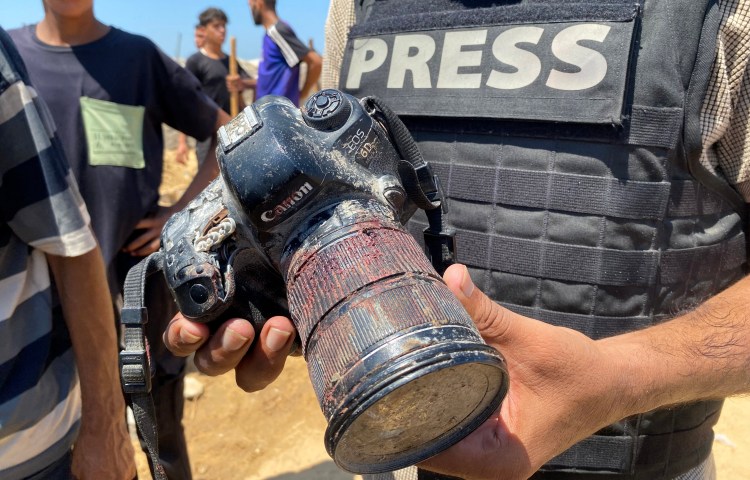
Record 129 press members killed in 2025; Israel responsible for 2/3 of deaths
Key findings Introduction At a time when armed conflict has reached historic levels around the world, journalist killings also reached an all-time high primarily due to the actions of one government: Israel was responsible for two-thirds of all journalist and media worker killings in 2025, driving the total number killed worldwide last year to a…

‘We returned from hell’: Palestinian journalists recount torture in Israeli prisons
Content warning: This article contains graphic descriptions of physical, psychological, and sexual violence. Palestinian journalist Ahmed Abdel Aal remembers the moment the ear-splitting music started. For five days, he said, he was held blindfolded in a room in an Israeli detention site, stripped and beaten, while loud Hebrew and English songs played at an unrelenting…
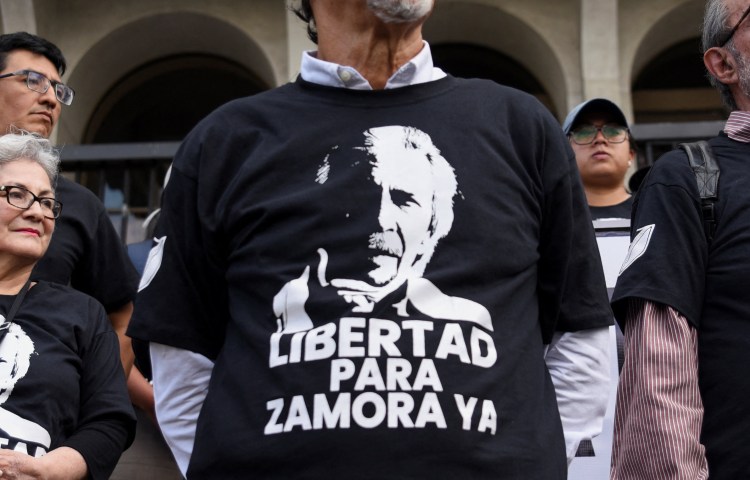
2025 journalist jailings remain stubbornly high; harsh prison conditions pervasive
For the fifth year in a row, more than 300 journalists were imprisoned worldwide as of the end of 2025, according to CPJ’s annual prison census. These record-setting numbers reflect growing authoritarianism and escalating numbers of armed conflicts worldwide. Often, journalists are held under cruel and life-threatening conditions – “a cemetery of the living,” as one freed Palestinian prisoner described it.
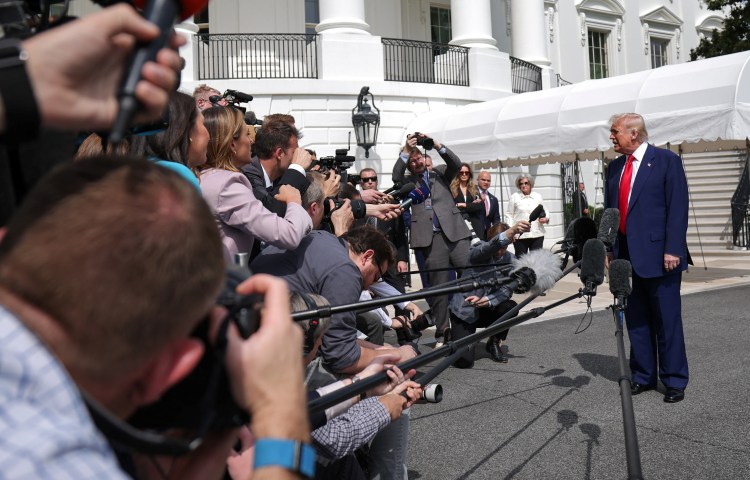
Alarm bells: Trump’s first 100 days ramp up fear for the press, democracy
Executive summary The first 100 days of the Trump administration have been marked by a flurry of executive actions that have created a chilling effect and have the potential to curtail media freedoms. These measures threaten the availability of independent, fact-based news for vast swaths of America’s population. CPJ has noted a significant increase in…
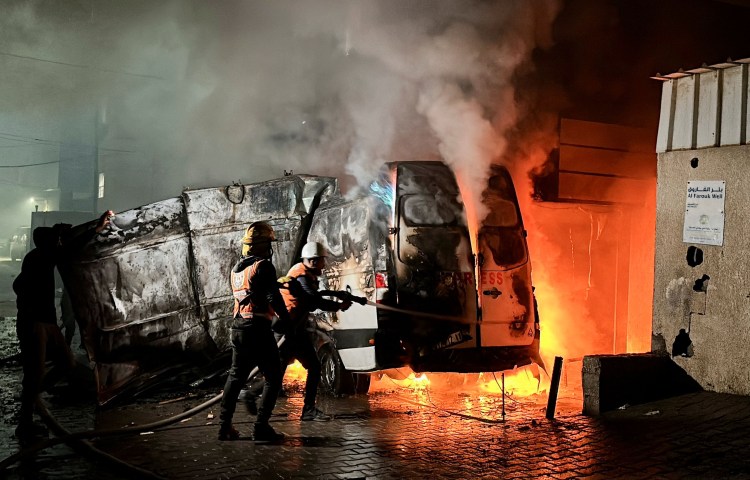
2024 is deadliest year for journalists in CPJ history; almost 70% killed by Israel
Introduction More journalists were killed in 2024 than in any other year since the Committee to Protect Journalists began collecting data more than three decades ago. At least 124 journalists and media workers were killed last year, nearly two-thirds of them Palestinians killed by Israel. The number of conflicts globally – whether political, criminal, or…
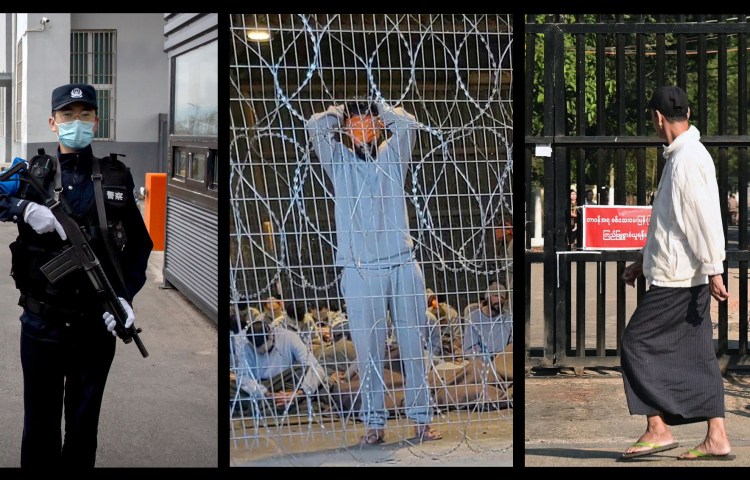
In record year, China, Israel, and Myanmar are world’s leading jailers of journalists
China, Israel, and Myanmar emerged as the world’s three worst offenders in another record-setting year for journalists jailed because of their work, the Committee to Protect Journalists’ 2024 prison census has found. Belarus and Russia rounded out the top five, with CPJ documenting its second-highest number of journalists behind bars – a global total of…
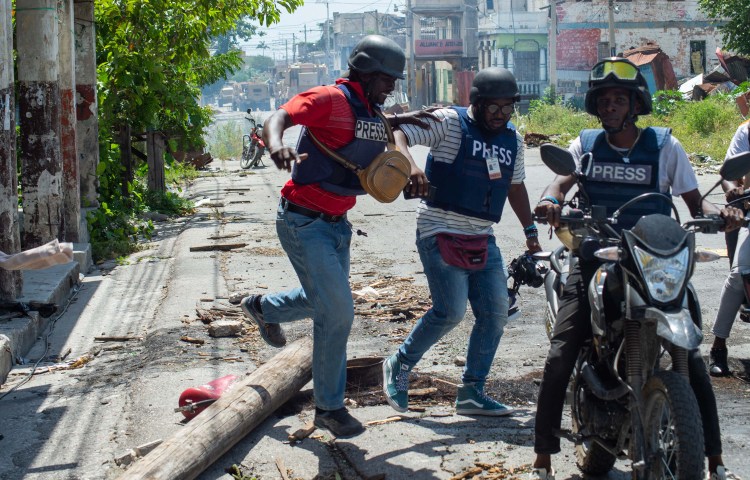
Haiti, Israel most likely to let journalists’ murders go unpunished, CPJ 2024 impunity index shows
An overwhelming lack of justice for murdered journalists is a major threat to press freedom. More than a decade after the United Nations declared an International Day to End Impunity for Crimes against Journalists – and more than 30 years after CPJ began documenting these killings – nearly 80% remain unsolved. A CPJ report. Two…

No justice for journalists targeted by Israel despite strong evidence of war crime
A year on, there is still no accountability following the October 13, 2023, targeted Israeli attack that killed Issam Abdallah and injured six journalists in southern Lebanon Less than a week into the Israel-Gaza war, at 6:02 p.m. on October 13, 2023, the Israeli military fired two tank shells 37 seconds apart into south Lebanon….

On Edge: What the US election could mean for journalists and global press freedom
Journalists are bracing for the outcome of the 2024 U.S. presidential election. CPJ’s research ahead of the November vote finds that the hostile media climate fostered during Donald Trump’s presidency has continued to fester, with members of the press confronting challenges – including violence, lawsuits, online harassment, and police attacks – that could shape the…