Reports
2009
Video Report: Imprisoned in Iran
In this video report, Greek freelance journalist Iason Athanasiadis recounts his 2009 imprisonment in Iran. Athanasiadis, who spent 20 days in custody, most of it in Tehran’s Evin Prison, describes his arrest during the government’s post-election crackdown and explains how international advocacy made a difference in gaining his freedom. (4:15) Read more about Iran and…
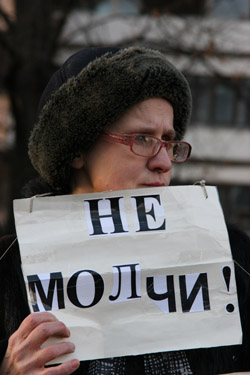
Philippines, Somalia fuel record death toll
CPJ survey finds at least 68 journalists killed in 2009 New York, December 17, 2009—At least 68 journalists worldwide were killed for their work in 2009, the highest yearly tally ever documented by the Committee to Protect Journalists, the organization said in its year-end analysis. The record toll was driven in large part by the…
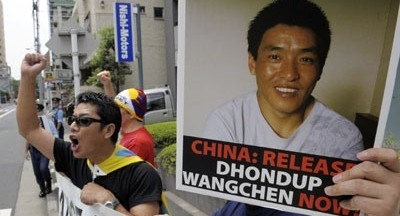
CPJ’s 2009 prison census: Freelance journalists under fire
New York, December 8, 2009—Freelancers now make up nearly 45 percent of all journalists jailed worldwide, a dramatic recent increase that reflects the evolution of the global news business, the Committee to Protect Journalists said today. In its annual census of imprisoned journalists, CPJ found a total of 136 reporters, editors, and photojournalists behind bars…
Video Report: Behind Bars But Not Alone
In this video companion to CPJ’s annual census of imprisoned journalists, Deputy Director Robert Mahoney describes how international advocacy can make a difference in winning the freedom of jailed reporters, editors, photojournalists, and bloggers. (3:45) Read the special report “Freelancers Under Fire” and view our database of journalists in prison.
2009 Map
d6d6d6 ffffff no zoom ffffff 16 ffffff 990000 China: 2439,104.19539708644152/imprisoned/images/text.swf?n=CN: 24&c=FF000091.932802122726javascript:showme(‘#china’); Iran: 2332.43561304116276,64/imprisoned/images/text.swf?n=IR: 23&c=FF000053.2842712474619javascript:showme(‘#iran’); Cuba: 2221.521757,-77.781167/imprisoned/images/text.swf?n=CU: 22&c=FF000082.9655069847578javascript:showme(‘#cuba’); Eritrea: 196,39.782/imprisoned/images/text.swf?n=ER: 19&c=FF000070.6070170039655javascript:showme(‘#eritrea’); Azerbaijan: 648,44/imprisoned/images/text.swf?n=AZ: 6&c=ac000053.2842712474619javascript:showme(‘#azerbaijan’); Burma: 918,105/imprisoned/images/text.swf?n=BU: 9&c=ac000072.3286382647969javascript:showme(‘#burma’); Uzbekistan: 750,60/imprisoned/images/text.swf?n=UZ: 7&c=ac000055.9838667696593javascript:showme(‘#uzbekistan’); Ethiopia: 4-10,40.489/imprisoned/images/text.swf?n=ET: 4&c=ac000042.8885438199983javascript:showme(‘#ethiopia’); Egypt: 323.5,32/imprisoned/images/text.swf?n=EG: 3&c=ac000037.6491106406735javascript:showme(‘#egypt’); Cameroon: 17.369722,12.354722/imprisoned/images/text.swf?n=CM: 1&c=55000042.8885438199983javascript:showme(‘#cameroon’); Turkey: 144,26/imprisoned/images/text.swf?n=TR: 1&c=55000042.8885438199983javascript:showme(‘#turkey’); Gambia: 111,-15.310/imprisoned/images/text.swf?n=GM: 1&c=55000037.6491106406735javascript:showme(‘#gambia’); Iraq in U.S. Custody: 136,47/imprisoned/images/text.swf?n=IQ: 1&c=55000037.6491106406735javascript:showme(‘#iraq-us’); Russia: 161.52401,105.318756/imprisoned/images/text.swf?n=RU: 1&c=55000042.8885438199983javascript:showme(‘#russia’); Sri Lanka:…
Video Report: Portraits of the Fallen
In “Portraits of the Fallen,” a video introduction to CPJ’s database of killed journalists, María Salazar-Ferro examines the circumstances in which reporters, photographers, editors, and other journalists have died on duty. Because hundreds of journalists have been murdered in reprisal for their work, CPJ is leading a Global Campaign Against Impunity. (4:11) Visit our database of…
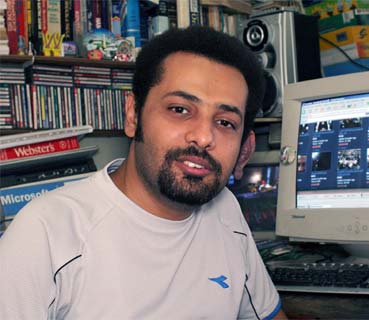
Audio Report: Middle East Bloggers
In our special report “Middle East Bloggers: The Street Leads Online,” CPJ’s Mohamed Abdel Dayem says blogging has become a crucial front in the region’s struggle for freedom of expression. Here, Abdel Dayem describes how two regional trends–booming Internet audiences and repression of traditional media–have made blogging a vibrant news alternative. Listen to the mp3…
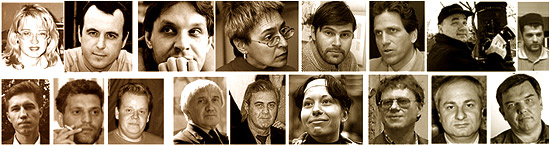
Anatomy of Injustice: The Unsolved Killings of Journalists in Russia
Posted September 15, 2009 * Download the full report as a PDF TABLE OF CONTENTS Preface by Kati Marton About this Report 1. Summary 2. A Record of Impunity: Seventeen Deaths Secrecy, indifference, and conflicts mar investigations into journalist deaths. Moscow has a responsibility to uphold the rule of law. Its international partners have an…